
ALMATY – KazMunayGas (KMG), Kazakh national oil and gas company, announced its production results for the first nine months of 2025 on Oct. 30, showing a notable increase in output driven by the expansion of major projects and higher refining volumes.
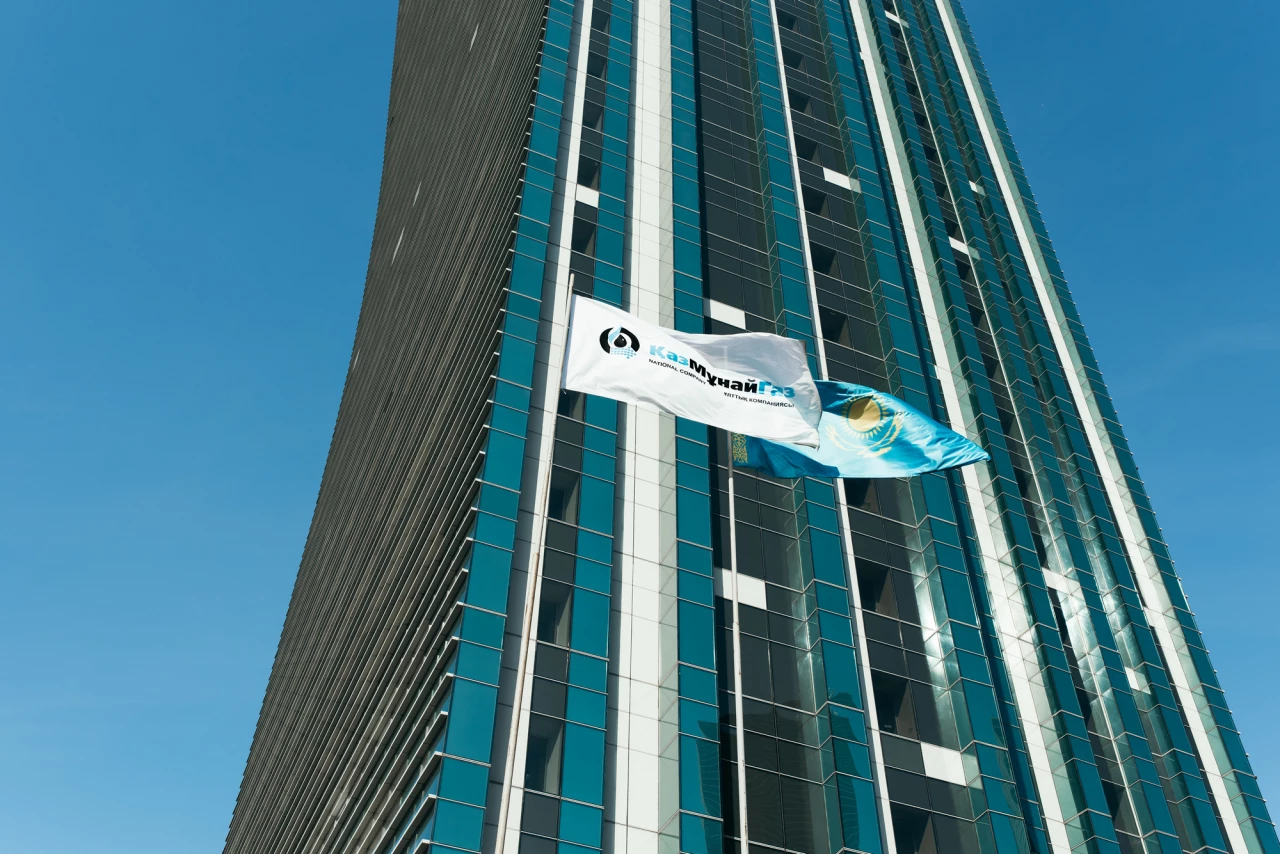
Photo credit: KMG
According to the company’s report, oil and condensate production rose by 10%, reaching 19.84 million tons – equivalent to 553,000 barrels per day. Associated and natural gas production also grew by 20.1% to 8.65 billion cubic meters.
At the same time, total hydrocarbon transportation volumes decreased slightly by 1.1%, totaling 62.5 million tons, while hydrocarbon refining volumes at Kazakh and Romanian refineries rose by 11.7%, reaching 15.77 million tons.
Production growth was largely driven by the performance of Kazakh major oil and gas projects. Output at the Tengiz field increased by 41.8% to 6.09 million tons, 179,000 barrels per day.
The report highlights that the rise is supported by the launch of the Third Generation Plant under the Future Growth Project, which began operations in January 2025.
Associated gas production at Tengiz rose by 49.5% to 3.5 billion cubic meters. Production at the Kashagan field amounted to 2.26 million tons, 66,000 barrels per day, marking a slight 2% decline due to a higher gas-to-oil ratio. Natural gas output at the field stood at 1.48 billion cubic meters, consistent with the results in 2024.
At Karachaganak, oil and condensate production increased by 3.2% to 823,000 tons, while gas output grew by 10.8% to 1.89 billion cubic meters. The rise was attributed to higher volumes of gas reinjection into the reservoir.
In transportation, the total volume of crude oil transported through main pipelines rose by 2.8% to 54.25 million tons, driven by increased Tengiz oil shipments through the Caspian Pipeline Consortium (CPC) system following the expansion project, as well as higher domestic deliveries to local refineries.
Marine oil transportation volumes fell by 20.7% to 8.26 million tons. This decline resulted from the temporary suspension of shipments along the Aktau–Baku route due to technical restrictions on the Baku–Tbilisi–Ceyhan pipeline. The scheduled modernization of the tankers Taraz and Liva, which are undergoing upgrades to install inert gas systems, also influenced the indicators.
The company reported that changes in CPC’s allocation of Aframax tanker cargoes since March 2025 affected open-sea transportation volumes. Despite this, overall oil freight turnover increased by 6.8% to 49.56 million ton-kilometers, reflecting higher exports through the CPC system and growing domestic deliveries to refineries.
