
ASTANA — The Organization of the Petroleum Exporting Countries and its allies, also known as OPEC+, moved to raise June output quotas on May 3 after the United Arab Emirates left the alliance amid the war in the Middle East and disruptions in the Strait of Hormuz. For Kazakhstan, the move underscores the challenge of balancing rising production ambitions with export bottlenecks and its commitments under the OPEC+ framework.
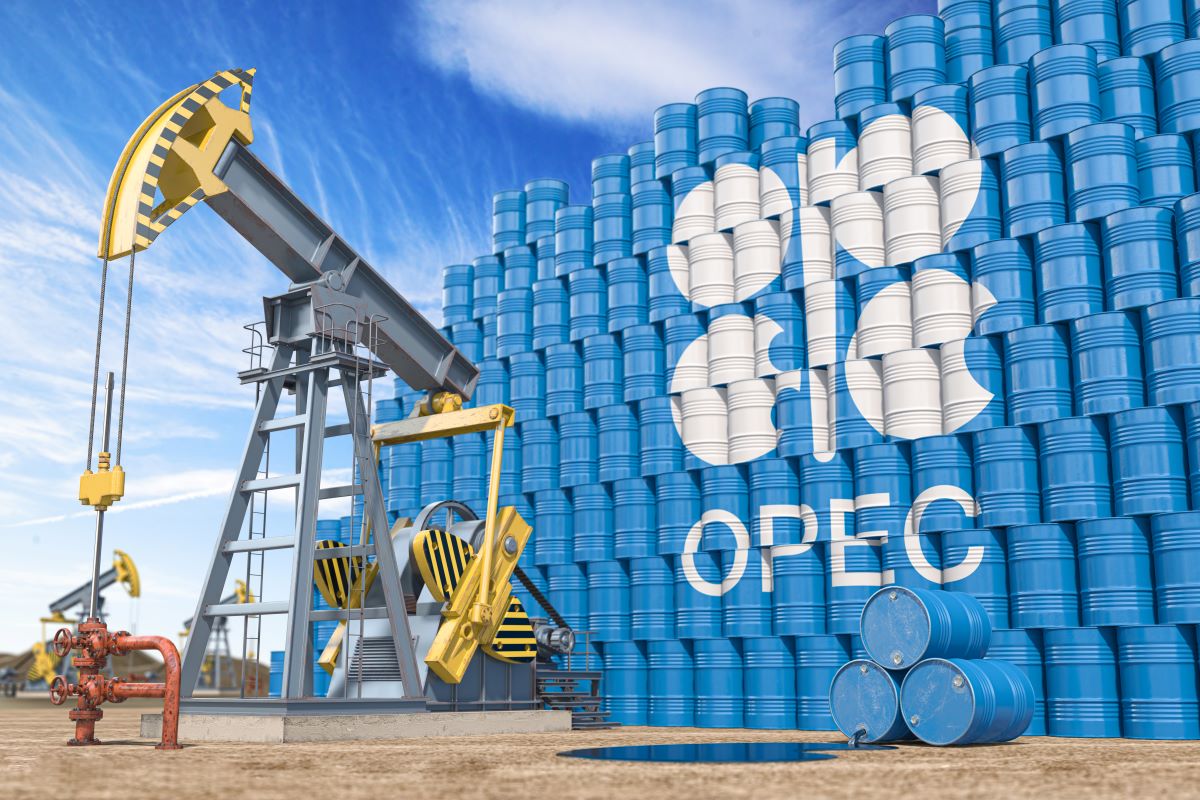
Photo credit: ixbroker.com
Kazakhstan between quotas and constraints
Kazakhstan, which participates in OPEC+ but is not an OPEC member, said it does not plan to change its cooperation format with the alliance.
According to Energy Minister Yerlan Akkenzhenov, Kazakhstan produced 19.7 million tons of oil and gas condensate between January and March, or 80.2% of the level recorded a year earlier. Exports totaled 15.3 million tons, or 78.5% year-on-year. The ministry forecasts exports at 76 million tons in 2026.
“At Karachaganak [an oil field in western Kazakhstan], work continues to launch the sixth raw gas reinjection compressor, which will help maintain oil production at 10-11 million tons per year. Negotiations are underway with major subsoil users on measures to increase oil production,” said Akkenzhenov at an April 14 government meeting.
According to OPEC’s Annual Statistical Bulletin, Kazakhstan’s crude oil production rose by 239,000 barrels per day in 2025 to 1.78 million barrels per day. However, these figures are not directly comparable with national statistics, which include gas condensate.
OPEC tracks crude oil only, excluding condensate produced at fields such as Karachaganak, meaning the datasets reflect different measurement approaches rather than inconsistencies.
Data from the energy ministry put Kazakhstan’s 2025 oil and gas condensate production at nearly 100 million tons. Globally, oil production increased by 2.24 million barrels per day in 2025 to 74.85 million barrels per day, while OPEC+ accounted for 55.9% of output, according to OPEC. Kazakhstan’s proven oil reserves remained unchanged at 30 billion barrels over the past decade.
OPEC+ adjusts after UAE exit
Seven OPEC+ countries, including Algeria, Iraq, Kazakhstan, Kuwait, Oman, Russia and Saudi Arabia, agreed to increase their combined production quota by 188,000 barrels per day in June, according to the group’s statement.
Kazakhstan’s share of the increase amounts to 10,000 barrels per day, bringing its target to 1.599 million barrels per day.
The decision followed the UAE’s formal withdrawal from OPEC+ on May 1. The country had been one of the group’s largest producers and according to the International Energy Agency (IEA), accounted for approximately 12% of the OPEC output earlier this year.
According to Reuters, UAE Energy Minister Suhail Mohamed al-Mazrouei said the decision followed a review of the national energy strategy and was not discussed with other countries.
“This is a policy decision. It has been done after a careful look at current and future policies related to the level of production,” Mazrouei told Reuters, adding that global energy demand is expected to grow.
Analysts say it also highlights long-standing disagreements within OPEC+ over quota allocations and capacity expansion. The move gives Abu Dhabi greater freedom to increase output after years of investment.
The war and market disruption
The UAE’s exit comes amid heightened geopolitical instability. The war involving Iran has disrupted flows through the Strait of Hormuz, a key corridor for global oil and liquefied natural gas.
According to the IEA, nearly 20 million barrels of oil per day passed through the strait in 2025. Disruptions to tanker traffic and infrastructure contributed to a sharp drop in global supply.
In its April Oil Market Report, the agency said global oil supply fell to 97 million barrels per day in March, as tanker restrictions in the Strait of Hormuz and attacks on energy infrastructure led to what it described as the largest disruption in history.
OPEC+ production dropped by 9.4 million barrels per day month-on-month to 42.4 million barrels per day. It also revised its 2026 oil demand outlook downward, now expecting a slight decline instead of growth.
In this environment, coordinated production cuts play a more limited role in shaping prices, as geopolitical risks, logistics disruptions, and supply uncertainty increasingly drive market dynamics.
How quotas work and their limits

Oil and gas analyst Askar Ismailov. Photo credit: Personal archives
In OPEC+, a quota is the agreed production target assigned to each participating country, specifying how much oil it is expected to produce within a given period. The system is intended to manage overall market supply and help stabilize prices.
Oil and gas analyst Askar Ismailov told The Astana Times that these quotas are also widely viewed as a tool to influence market expectations rather than directly regulate exports.
“OPEC+ accounts for roughly 60% of global production, making it a powerful instrument. If supply exceeds demand, prices fall. If producers collectively restrict output, they reduce the risk of oversupply. This supports prices or at least slows their decline,” he said.
He noted that both supply and demand respond slowly in the short term.
“Consumers cannot quickly reduce fuel use, and producers cannot instantly stop or restart large projects. This low elasticity increases price volatility,” he said.
Countries agree to quotas because higher prices can offset lower volumes. At the same time, compliance is maintained through monitoring and negotiation rather than strict penalties, with countries expected to compensate for overproduction in subsequent periods.
Implications for Kazakhstan
For Kazakhstan, the challenge lies in reconciling quota discipline with long-term production growth.
Ismailov said higher quotas create room to increase output, especially as production recovers at Tengiz, but also raise the risk of non-compliance. Large, technically complex projects limit the ability to adjust output quickly without affecting revenues, budgets and investor relations.
“If Kazakhstan exceeds quotas by significant volumes, it does not destabilize the global market, but it undermines internal discipline. (…) The main risk is not immediate penalties, but a weaker negotiating position when seeking flexibility in future quotas,” Ismailov said.
“The optimal approach is to seek more realistic quotas, clearly explain the specifics of Tengiz, Kashagan and Karachaganak [country’s three largest oil fields], and at the same time accelerate the diversification of export routes. As long as exports remain heavily tied to the Caspian Pipeline Consortium [CPC], Kazakhstan’s room for maneuver in oil policy will remain limited,” he said.
Kazakhstan’s export limits
Ismailov said Kazakhstan’s main constraint is not production capacity but export flexibility.
“The main volume of Kazakhstan’s oil is still exported through the CPC and the port of Novorossiysk. This route accounts for approximately 80% of exports and more than 1% of global supply,” said Ismailov.
Ismailov noted that Kazakhstan’s participation in OPEC+ has a strong political dimension, noting that it joined the alliance following an invitation from Moscow. Unlike core OPEC producers, Kazakhstan does not fully control output at Tengiz, Kashagan and Karachaganak, which account for most production, while the rest is used for domestic refining.
With approximately 90% of exports passing through Russian territory, he said, logistics, relations with Russia and export predictability remain key factors.
“That creates structural dependence. Kazakhstan may theoretically disagree with quotas, but in practice it remains tied to export routes. This makes its behavior within OPEC+ largely constrained by logistics,” said Ismailov.
Broader market risks
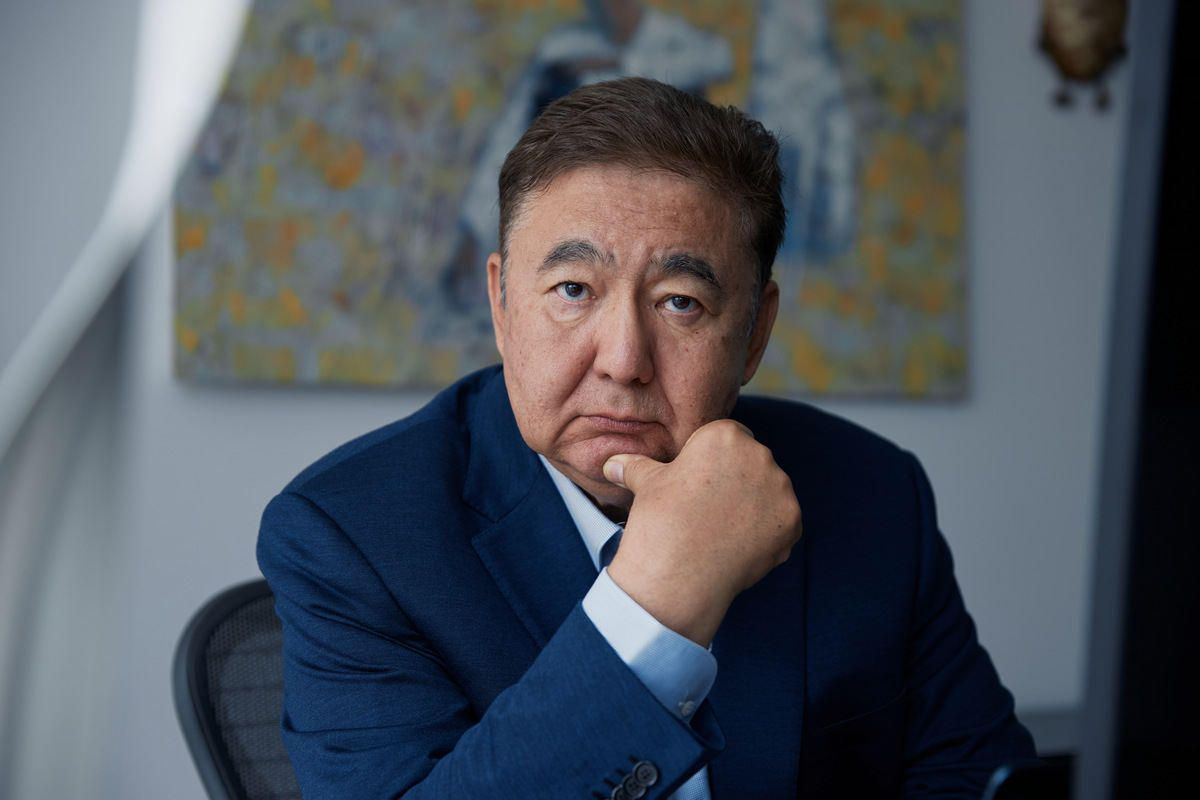
Economist Almas Chukin. Photo credit: Digital Business
Analysts also point to rising uncertainty in global oil markets. Chinese expert Sheng Li said the UAE’s exit reflects accumulated disagreements over quota allocation and a shift toward maximizing national production capacity.
“This step reflects accumulated contradictions over quota allocation. The UAE seeks to fully realize the potential of its expanded production capacity without limiting economic growth through external limits,” he told Kazinform.
“The UAE’s exit will not lead to the immediate collapse of OPEC+, but it will become a powerful catalyst for market transformation,” he added.
In an interview with Digital Business, economist Almas Chukin said tensions within OPEC have been building for years, with Saudi Arabia playing a dominant role. He said the main risk for Kazakhstan is volatility rather than systemic collapse.
“We are a middleweight boxer in this ring, far from the strongest. Our oil is difficult to extract, it lies deep, and it is expensive to transport,” said Chukin.
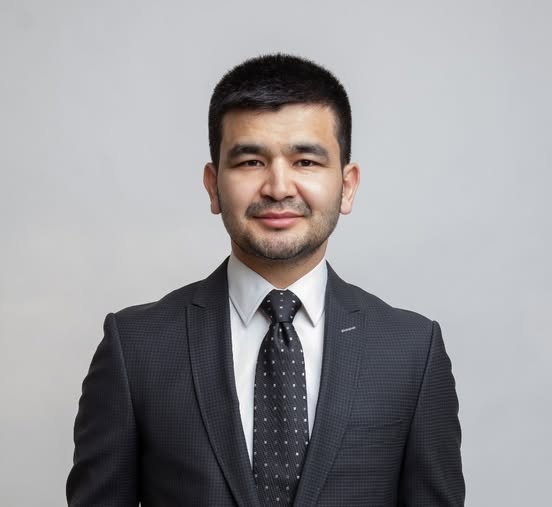
Oil analyst and author of the Energy Analytics Telegram channel, Abzal Narymbetov. Photo credit: Facebook
Abzal Narymbetov, oil analyst and author of the Energy Analytics Telegram channel, has also questioned whether OPEC+ limits align with Kazakhstan’s long-term interests.
“Initially, OPEC was created as a cartel, and all its members observed these quotas or at least tried to observe them. But the attitude toward OPEC+ countries is softer, the restrictions they take on are more recommendatory in nature,” he said in his 2024 interview with Orda.kz.
He noted that while production cuts can support prices, they may conflict with Kazakhstan’s reliance on oil export revenues. Following the UAE announcement, Narymbetov wrote that both countries share similar features, including ambitions to increase production, large long-term projects and limited flexibility under quotas.
