
ASTANA – Almaty, Kazakhstan’s largest city, is often described as the nation’s cultural capital. Its vast network of museums, galleries and contemporary art spaces continues to strengthen this reputation, positioning the city as one of Central Asia’s most dynamic centers of culture and creativity. The Astana Times offers a lineup of cultural and historical sites that would be perfect for guiding both first-time visitors and longtime residents looking to reconnect with their hometown.
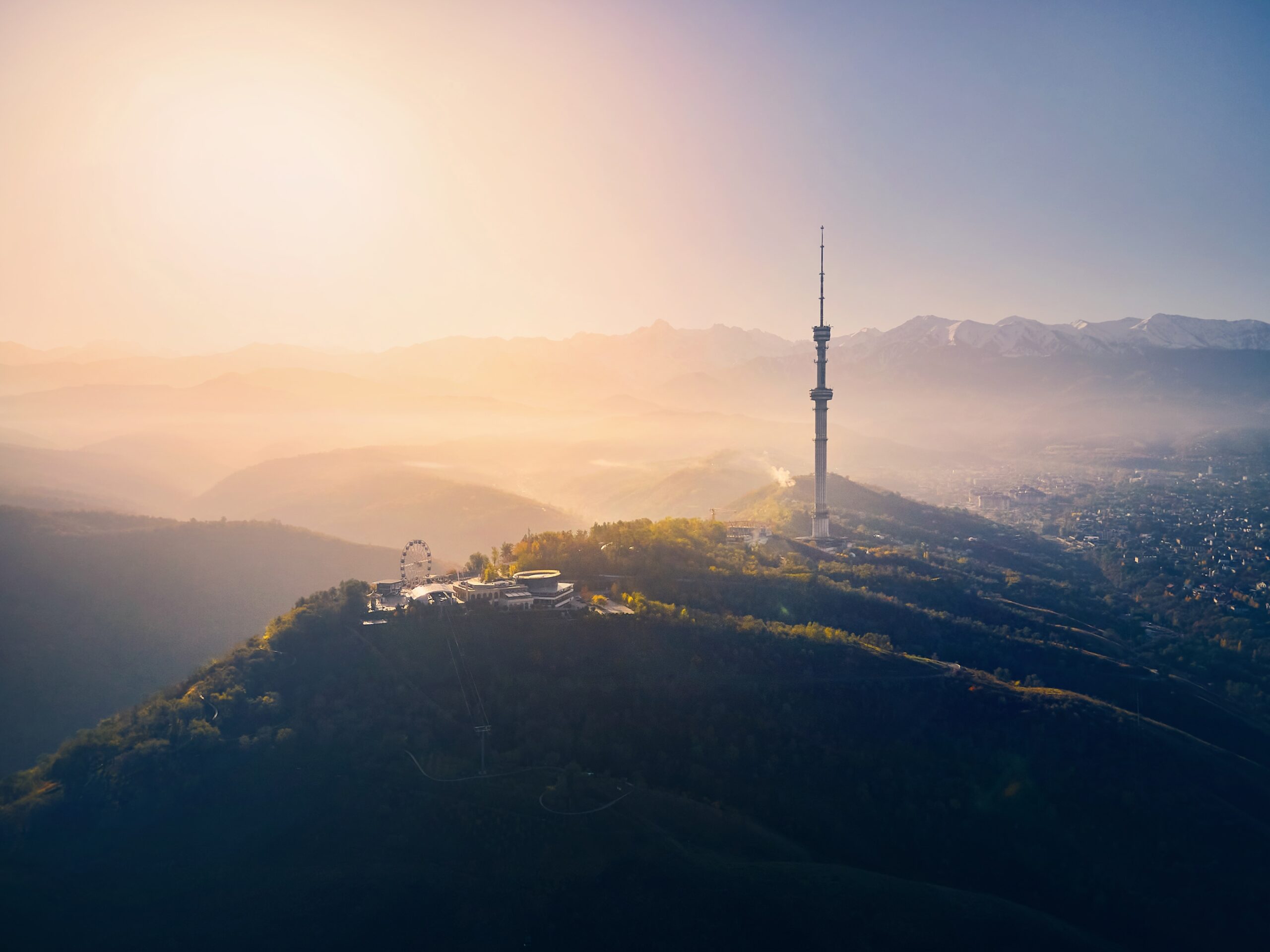
Photo credit: Shutterstock
Central State Museum of Kazakhstan
The Central State Museum of Kazakhstan is an iconic landmark of Almaty and one of the largest museums in Central Asia. It is also the natural starting point for anyone seeking to understand the country.
The building, to which the museum moved in 1985, is regarded as one of the finest examples of modern architecture. Before that, the museum was housed in the Ascension Cathedral, a unique architectural complex designed by Andrei Zenkov and built between 1904 and 1907.
The museum spans 17,000 square meters and has six main halls. They map the full timeline of Kazakhstan’s history from its paleontological past and ancient nomadic civilizations to its modern, contemporary history.
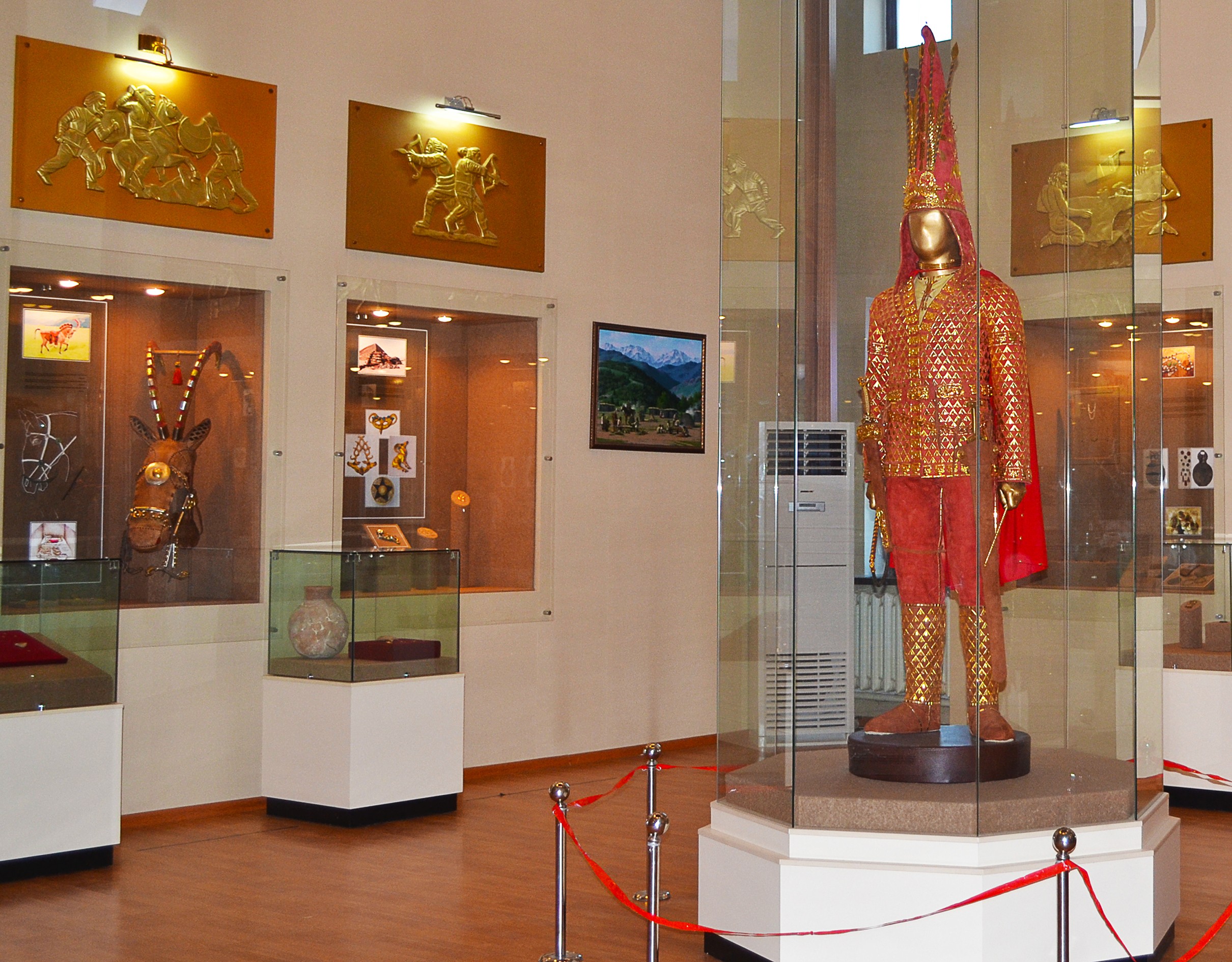
Photo credit: visitworldheritage.com
“The history of our museum begins in the first half of the 19th century, in the 1830s–1840s. From a small local history museum, it has grown into one of the largest museums in Central Asia. Today, the museum holds more than 280,000 items, from prehistoric Kazakhstan all the way to the contemporary period,” Ilyas Orazalin from the department of excursions and visitor programs told The Astana Times.
Among its highlights is the famous Golden Man, a reconstruction of a Scythian warrior adorned with thousands of gold pieces unearthed at the Issyk burial mound. For many years, the museum housed the original Golden Man before it moved to the National Museum of Kazakhstan in Astana.
Among the museum’s treasures are also early nomadic gold ornaments, Scythian–Saka bronze pieces, and personal belongings of cultural figures such as Shokan Valikhanov, Kulyash Baiseitova, and Amre Kashaubayev.
For international visitors, access to all six halls costs 5,000 tenge (US$10). If you want a deeper experience, you can opt for the full international package, including a comprehensive tour in English, Russian, or Kazakh, for 10,000 tenge (US$19.8). A standard adult ticket for locals is 1,500 tenge (US$3).
Almaty Museum of Arts reimagines the city’s art scene
The Almaty Museum of Arts opened its doors in September, marking a turning point in the city’s ambitions to become a regional cultural hub. Designed by British firm Chapman Taylor, the 10,000-square-meter museum aims to promote dialogue between Central Asian and international art through rotating exhibitions, collaborations, workshops, and a conservation lab.
Rooted in the private collection of founder Nurlan Smagulov, the museum brings together Kazakh modernists, contemporary artists, and global names. Works by Toqbolat Togyzbayev, Shaimardan Sariyev, Rustam Khalfin, Saule Suleimenova, and Dilyara Kaipova are displayed alongside international figures such as Khadim Ali, Xu Zhen, and Jadé Fadojutimi.
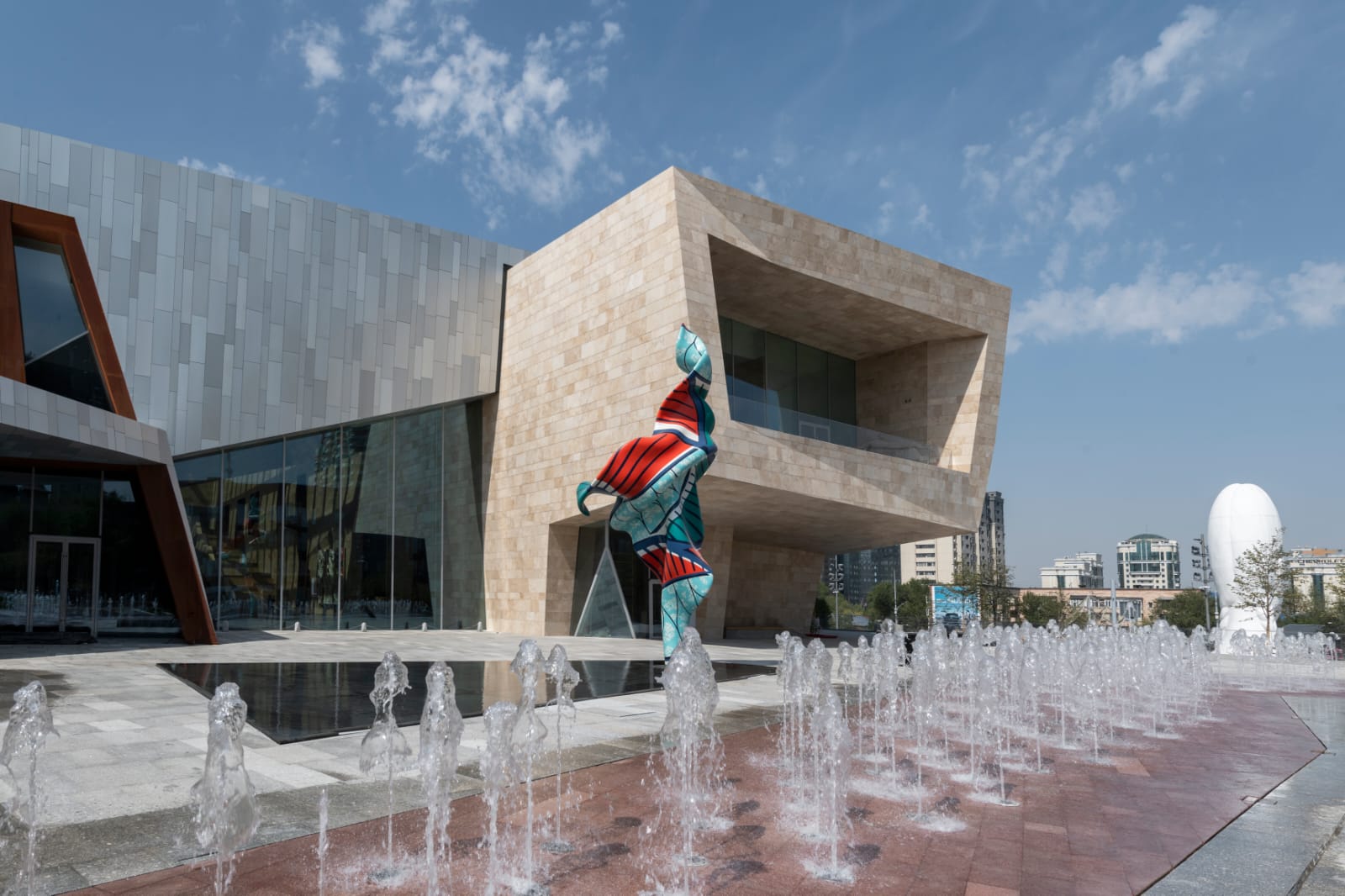
Photo credit: arte8lusso.net
“There is that dialogue, that bridge, between Kazakh art and international art. I think, for the cultural scene in Kazakhstan and for local artists, it is a very important statement that they can be together under one roof,” chief curator Inga Lāce told The Astana Times.
One of the museum’s highlights is its Artist Rooms, immersive spaces dedicated to giants such as Anselm Kiefer, Yayoi Kusama, Bill Viola, and Richard Serra. Serra’s “Junction” (2011), a monumental steel labyrinth that visitors walk through, holds a special significance. It is the last large-scale work relocated with the artist’s approval before his passing.
The museum’s first major exhibition is “I Understand Everything,” a retrospective of Kazakh artist Almagul Menlibayeva, mapping four decades of work that explore mythology, memory, the Aral Sea, and the nuclear past of Semei.
To see this for yourself, the museum is open Tuesday through Sunday. A ticket costs 2,000 teng (US$4) with reduced entry for students and seniors.
Former cinema reborn as cultural hub
Once home to the largest cinema screen in the Soviet Union, the former Tselinny cinema has been transformed into Kazakhstan’s independent cultural institution. Reimagined by British architect Asif Khan, the building reopened as the Tselinny Center of Contemporary Culture, providing a platform for art exhibitions, performances, film screenings, and research initiatives.
The former movie hall has become an 18-meter-high, shape-shifting performance and exhibition space, while a library, bookstore, and the Kapsula gallery around it create a contemporary cultural ecosystem.
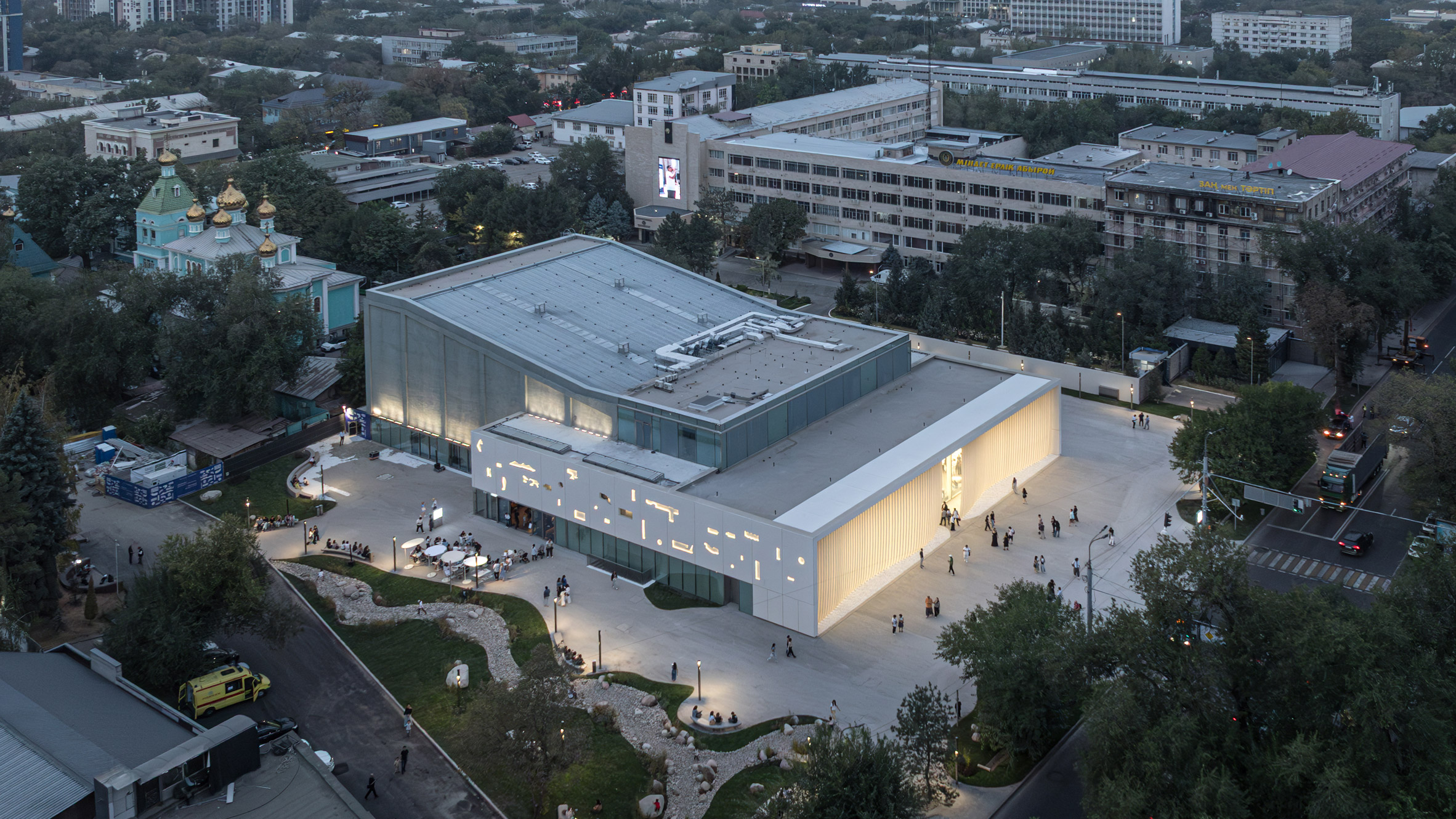
Photo credit: dezeen.com
Tselinny’s opening program, “Barsakelmes,” invited audiences to rediscover the building through performances rooted in Kazakh nomadic traditions. It will run through Dec. 7.
Tselinny also offers weekly activities ranging from talks with artists and researchers to workshops on digital storytelling, lessons on Kazakh cinema, and even community yoga sessions.
Tickets can be bought online and offline, starting at 1,500 tenge (US$3).
Where old Verny lives on
The Museum of History of Almaty might not be an obvious choice for first-time travelers, but it offers a glimpse of Almaty as it once was. Housed in a 19th-century wooden building designed by the French architect Paul Gourdet, which was once an orphanage, it is one of the few preserved landmarks of old Verny, the city’s name before the Soviet era.
The museum’s 11 halls guide visitors from Bronze Age settlements to the rise of the Kazakh Khanate, the establishment of Verny, and the turbulent decades that followed.
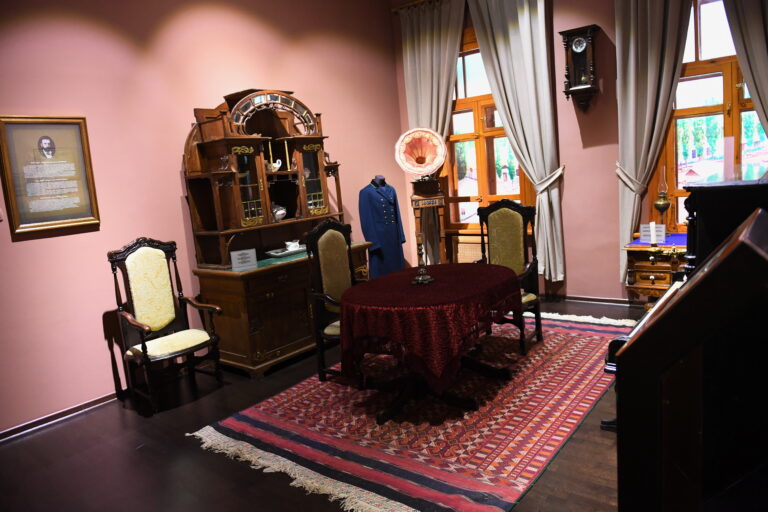
Photo credit: visitalmaty.kz
Particularly moving can be the hall dedicated to the events of Zheltoksan 1986, when students and young people filled the streets to protest injustice, a defining moment in Kazakhstan’s history. The room is quiet, allowing visitors to feel the weight of the events and the courage of those young people who stood for their nation decades ago.
Admission ticket costs 1,000 tenge (US$2).
For a closer look at these landmarks, check our latest YouTube episode exploring each site through on-location reporting, interviews and visual storytelling. You can follow the team through museum halls and architectural spaces to experience Almaty’s cultural landscape firsthand.
