
ALMATY – Kazakhstan’s tourism sector is entering a new stage of development as investment, visitor numbers and transport connectivity expand, with the industry increasingly positioned as a contributor to economic growth rather than simply a recreational sector.
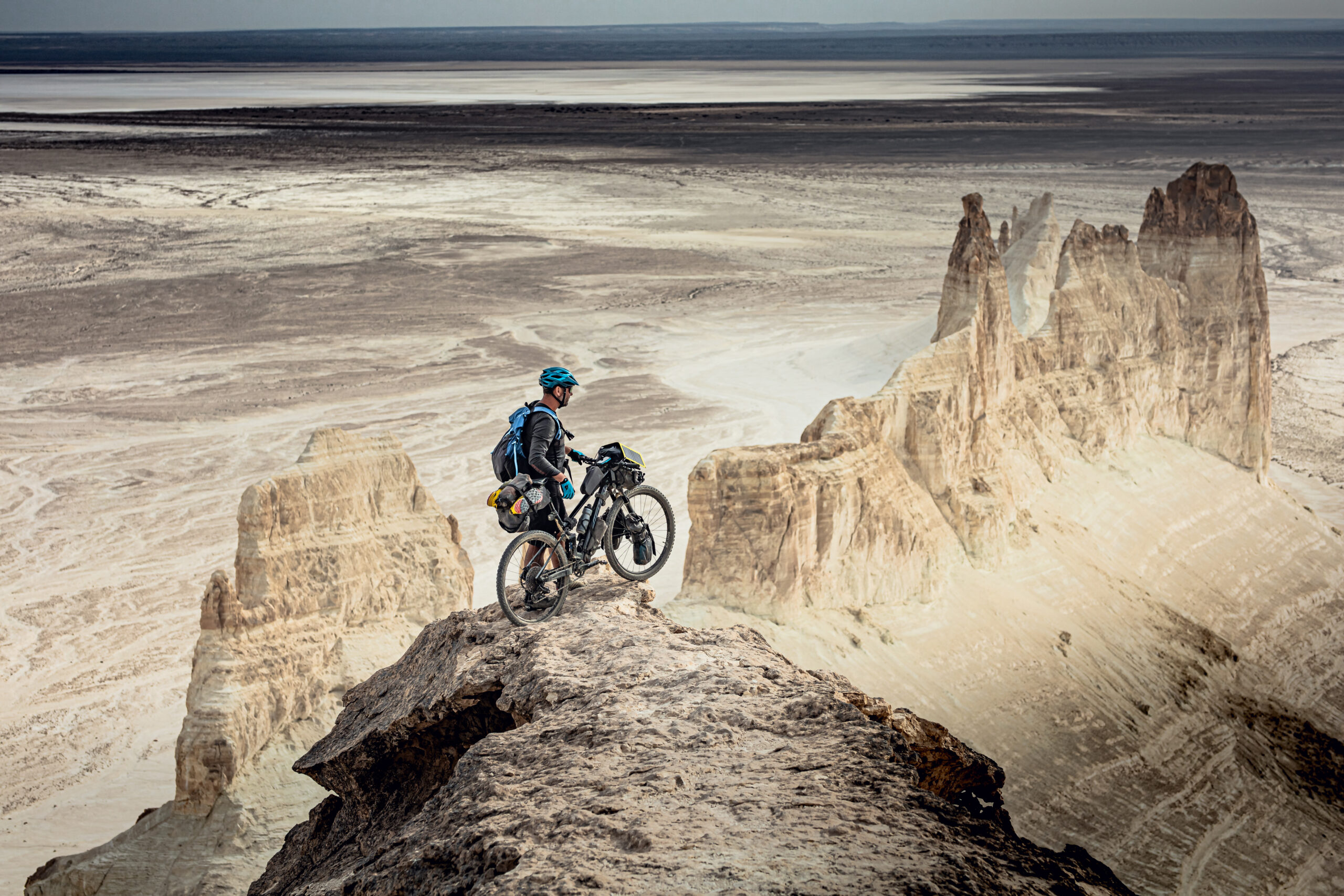
Photo credit: Tassan‘s personal archive
The sector’s total contribution to Kazakhstan’s economy reached 5 trillion tenge (US$9.26 billion) in 2025, while employment exceeded 600,000 people, according to the government.
Investment is also accelerating. Capital spending in tourism rose from 787.3 billion tenge (US$1.46 billion) in 2023 to 947.5 billion tenge (US$1.75 billion) in 2024 and 1.25 trillion tenge (US$2.31 billion) in 2025, an increase of 32.6% in one year.
More than 328 investment projects worth around 1.3 trillion tenge (US$2.41 billion) are currently being implemented across the country. They are expected to create about 10,000 permanent jobs and include 25 new international-standard hotels, including projects involving Hilton and Mandarin Oriental, as well as the expansion of the Oi-Qaragai mountain resort.
Growing visitor numbers create new economic opportunities
Infrastructure expansion is being accompanied by stronger tourism demand. Kazakhstan received 15.7 million foreign visitors in 2025, compared with 9.2 million in 2023. Of these, 11.1 million were classified as tourists, and foreign visitors spent $2.9 billion in Kazakhstan.
China has emerged as a key driver of growth. The number of visitors from China increased by 46.8% in 2025, exceeding 960,000. In the first half of 2026, Kazakhstan received 7 million foreign tourists, with Uzbekistan, the Kyrgyz Republic and Russia accounting for the largest shares.
Domestic tourism is also expanding. The number of Kazakh citizens traveling within the country increased from 7.1 million in 2023 to 8.7 million in 2025.
The figures suggest that Kazakhstan’s tourism market is benefiting from two parallel trends: increasing international interest and a growing domestic travel market. Together, they provide a more stable basis for investment in accommodation, transport and attractions.
Infrastructure remains critical to further growth
One of the main constraints on tourism development is access to destinations outside major cities. Air connectivity is also being expanded. New regional tourist airports are being developed in Katon-Karagai, Zaysan and Kenderli, while airports in Arkalyk and Balkhash have resumed operations and the terminal in Urzhar is being modernized.
For the summer season, 45 subsidized flights a week have been arranged to destinations including Alakol, Balkhash, Turkistan, Burabai and the Caspian coast. Expanding transport infrastructure matters because Kazakhstan’s tourism potential is geographically dispersed. Its mountain, steppe, lake and Caspian destinations cannot generate significant visitor flows if reaching them remains expensive or time-consuming.
Events and nature tourism broaden the offer
Kazakhstan is also using major cultural and sporting events to attract international visitors. The Fifth World Nomad Games in Astana brought 12,400 foreign visitors, while international concerts have generated significant tourist spending. A Jennifer Lopez concert in Almaty, for example, attracted 7,000 foreign visitors from 35 countries, according to the government. Spanish singer Enrique Iglesias performed in Astana on Sept. 3, followed by a concert in Almaty on Sept. 5, drawing fans from Kazakhstan and abroad.
Earlier, the three-day Park Live Almaty festival, held Aug. 21–23, brought together around 60,000 spectators, according to local media reports. The festival featured international headliners including Jack White, Gorillaz and The Offspring, with Gorillaz’s Aug. 22 performance attracting tens of thousands of people.
The country is simultaneously developing nature-based tourism. Visits to national parks increased from 2.4 million in 2023 to 3.7 million in 2025. As of 2026, 179 tourist routes and 42 ecological trails operate in protected areas.
This diversification is important for Kazakhstan because tourism growth does not have to depend on a single type of destination. Mountain resorts, cultural tourism, national parks, events, road trips and coastal destinations can attract different groups of visitors and extend the tourism season.
The next challenge is turning growth into a sustainable industry
The government has introduced several measures to stimulate further development, including subsidies for tour operators bringing foreign visitors, support for tourist transport and infrastructure, the Kids Go Free program, and incentives for roadside services and ski resorts.
A tourism coordination council has also been established, while new rules have formalized the status of visitor centers and strengthened regulation of guides, tour operators and instructors.
These measures address some of the practical barriers to tourism growth. But the scale of investment and rising visitor numbers also raise a broader question: whether Kazakhstan can convert increasing tourist flows into lasting economic value.
That will depend on more than the number of hotels or visitors. Higher-quality services, reliable transport, skilled workers, diverse tourism products and effective management of natural destinations will determine how much tourists spend, how long they stay and whether they return.
Kazakhstan’s current tourism expansion therefore represents a shift from building individual attractions toward creating a broader tourism ecosystem. With investment and millions of domestic and international visitors, the sector is becoming increasingly significant to the national economy.
