
ALMATY – OPEC+ has decided to keep oil production targets for October unchanged, pausing further adjustments as the alliance assesses market conditions and prepares for a broader review of production baselines for 2027.
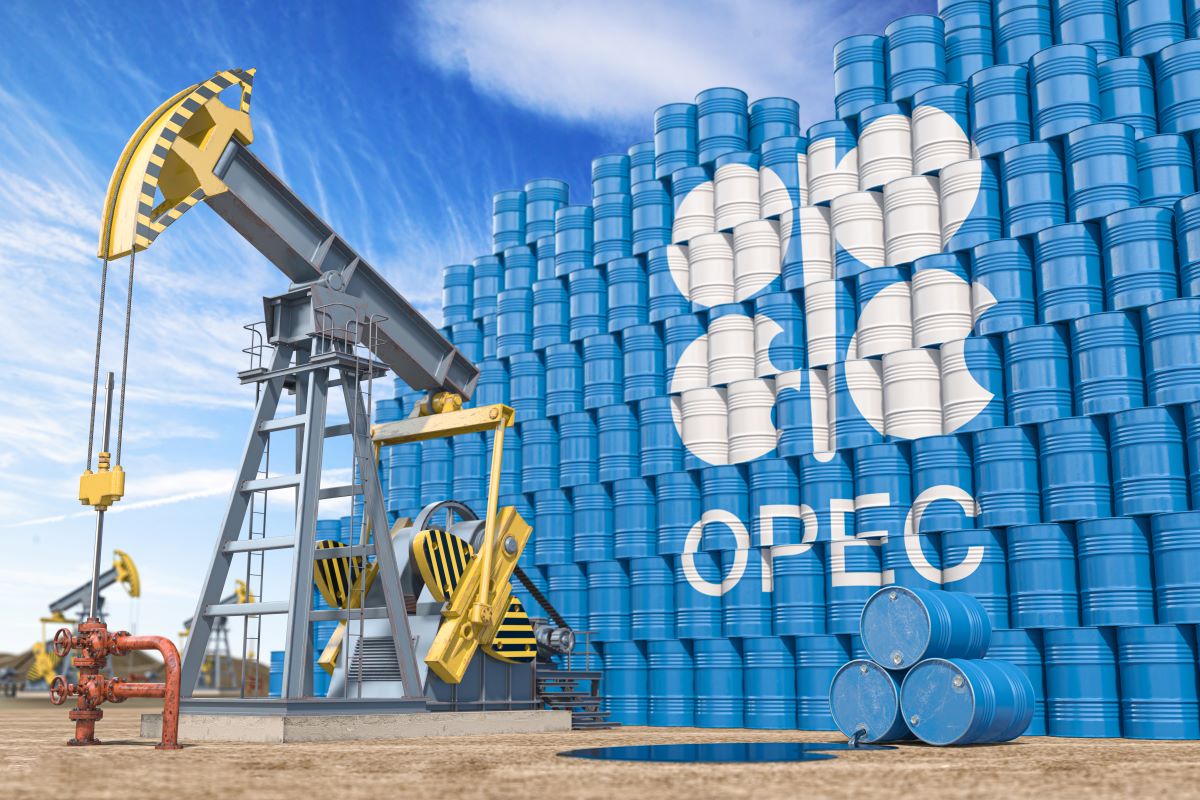
Photo credit: ixbroker.com
The decision was made on Sept. 6 during a virtual meeting of Saudi Arabia, Russia, Iraq, Kuwait, Kazakhstan, Algeria and Oman, the seven OPEC+ countries that previously announced additional voluntary production adjustments in 2023.
Under the decision, the seven countries will maintain their September 2026 required production levels in October.
For Kazakhstan, the October production quota will stand at 1.628 million barrels per day (bpd). Russia’s quota will be 9.949 million bpd, Saudi Arabia’s 10.478 million bpd, Iraq’s 4.431 million bpd, Kuwait’s 2.676 million bpd, Algeria’s 1.007 million bpd and Oman’s 841,000 bpd.
The seven countries also reaffirmed their commitment to full conformity with the Declaration of Cooperation and agreed to continue meeting monthly to review market conditions. The next meeting is scheduled for Oct. 4.
Pause follows earlier production increase
The decision comes after OPEC+ increased production in September by 188,000 bpd, continuing the gradual unwinding of supply restrictions introduced in 2023.
In August, the group agreed to complete the phased rollback of a 1.65 million bpd reduction that had been introduced in 2023. However, actual production by OPEC+ members has remained significantly below their official targets.
According to Reuters, the unchanged October quotas therefore represent a pause in the recent process of increasing supply rather than a new production cut. The pause comes amid major disruptions to oil exports through the Strait of Hormuz, which have constrained the physical movement of crude and limited the ability of OPEC+ to influence actual supply to the market.
“OPEC+ currently has very limited power over the physical oil market,” said Jorge Leon of Rystad Energy, according to Reuters. “The group can change production targets on paper, but it cannot guarantee that those barrels will be produced or actually reach the market.”
2027 quotas become the bigger question
The more consequential issue for OPEC+ is now likely to be the framework for production quotas in 2027.
Another layer of production restrictions remains in place for most members of the wider 21-country OPEC+ group through the end of 2026. Before deciding how and when to unwind those restrictions, the alliance needs to assess the production capacity of its members and establish new baseline levels, Reuters writes.
Those baselines will determine individual production quotas for 2027 and could have a longer-term impact on how much oil each producer is able to bring to market. The process could also change the balance between countries with substantial spare capacity and those already producing close to their technical limits.
Reuters reported that OPEC+ is likely to pause further output increases in the fourth quarter as members prepare for the baseline review. The statement issued after the Sept. 6 meeting, however, did not specify a production policy beyond October.
Kazakhstan faces both quota and capacity considerations
For Kazakhstan, the outcome preserves the country’s October production target at 1.628 million bpd while the broader alliance considers its next stage of production policy.
The question of future quotas is particularly significant because Kazakhstan’s oil output has been affected by the expansion of production at major fields, including Tengiz, as well as its commitments under OPEC+ agreements.
The seven countries will meet again on Oct. 4 to review market conditions.
