
ASTANA — Kazakhstan must rapidly shift to a fully integrated, data-driven economy powered by artificial intelligence, as failure to do so could leave the country behind in the global technological race, President Kassym-Jomart Tokayev said at the second meeting of the Council for the Development of Artificial Intelligence on May 4 in Almaty.
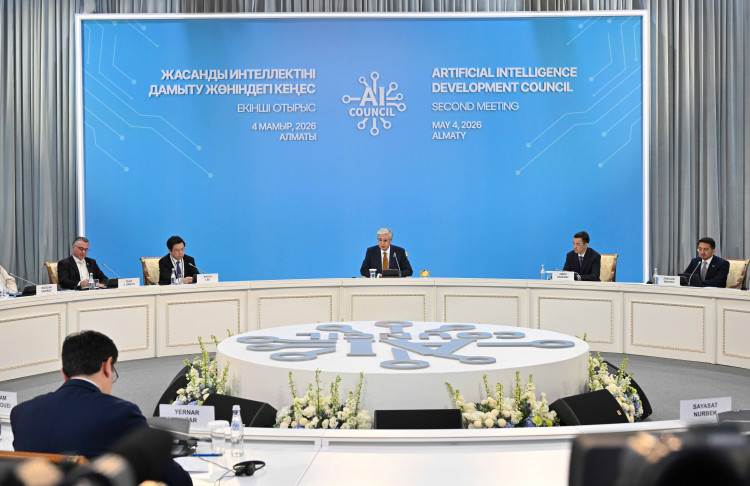
Photo credit: Akorda
Addressing government officials and international experts, Tokayev framed artificial intelligence not as a future tool but as the core driver of the modern global economy, warning that delays could deepen the gap between developed and developing nations. He described the current moment as a decisive turning point, where traditional growth models based on resources and labor are losing effectiveness.
Kazakhstan, he noted, is already showing signs of a “middle-income trap,” where old economic drivers are exhausted while new ones remain underdeveloped. To avoid stagnation, the country must move beyond fragmented digital initiatives toward a unified, system-wide transformation, Akorda reported.
According to Tokayev, a central challenge is the lack of clear measurement of the digital economy’s real impact. Overall indicators like GDP growth can hide how much progress comes from innovation versus traditional industries. He told the government to establish a clear way to measure the contributions of digitalization and AI to the economy.
Tokayev stressed that data is the foundation of effective AI, calling for the rapid creation of unified data systems and the digitization of archives. Without standardized, accessible, and machine-readable data, even advanced technologies will fail to deliver economic results.
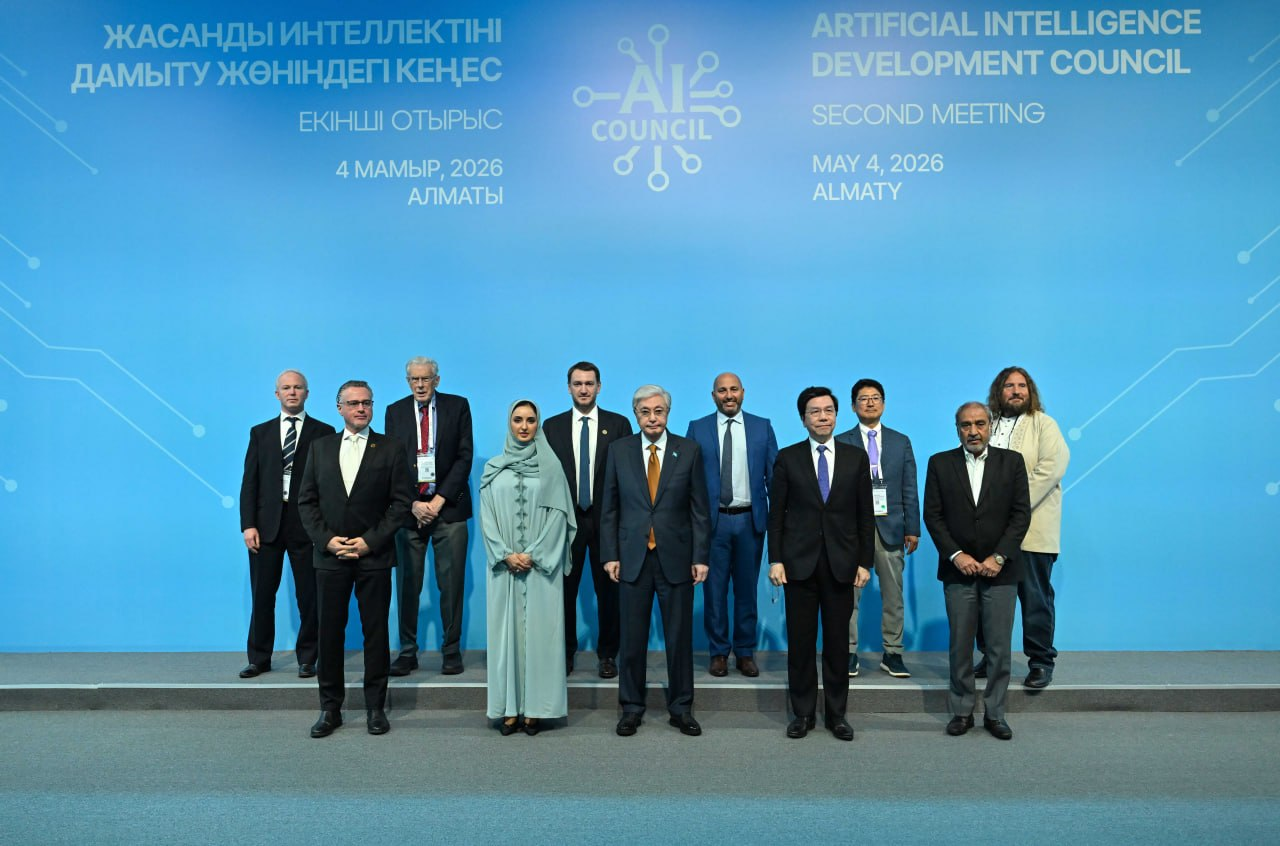
Photo credit: Akorda
He also highlighted the need to transition to a “real-time economy,” where decision-making cycles are reduced from days to seconds through platform-based governance. Existing digital projects – including automated customs processing, tax administration, and financial monitoring systems – demonstrate the potential for efficiency gains, but require scaling.
Beyond infrastructure, Tokayev emphasized the importance of private sector involvement, urging the government to create incentives for business investment in digital platforms and innovation. He called for the development of a full venture ecosystem and faster commercialization of research.
Kazakhstan is also positioning itself as a regional digital and financial hub, with plans to expand the use of the digital tenge, regulate digital assets, and attract global talent through simplified migration policies and long-term residency programs.
At the same time, Tokayev underscored that technological sovereignty depends on infrastructure and cybersecurity, announcing the development of a large-scale Data Center Valley to support AI and cloud computing.
He concluded that the success of artificial intelligence will depend not on the scale of technologies, but on their practical integration into key sectors such as industry, energy, agriculture, and logistics.
“The choice is limited: either we build an effective digital economy or remain on the sidelines of progress,” Tokayev said.
