
ASTANA – Kazakhstan is moving beyond a traditional feedstock-based petrochemical model, accelerating investment in deep processing and large-scale polymer production projects aimed at reducing imports and building a full-fledged petrochemical cluster by 2030.
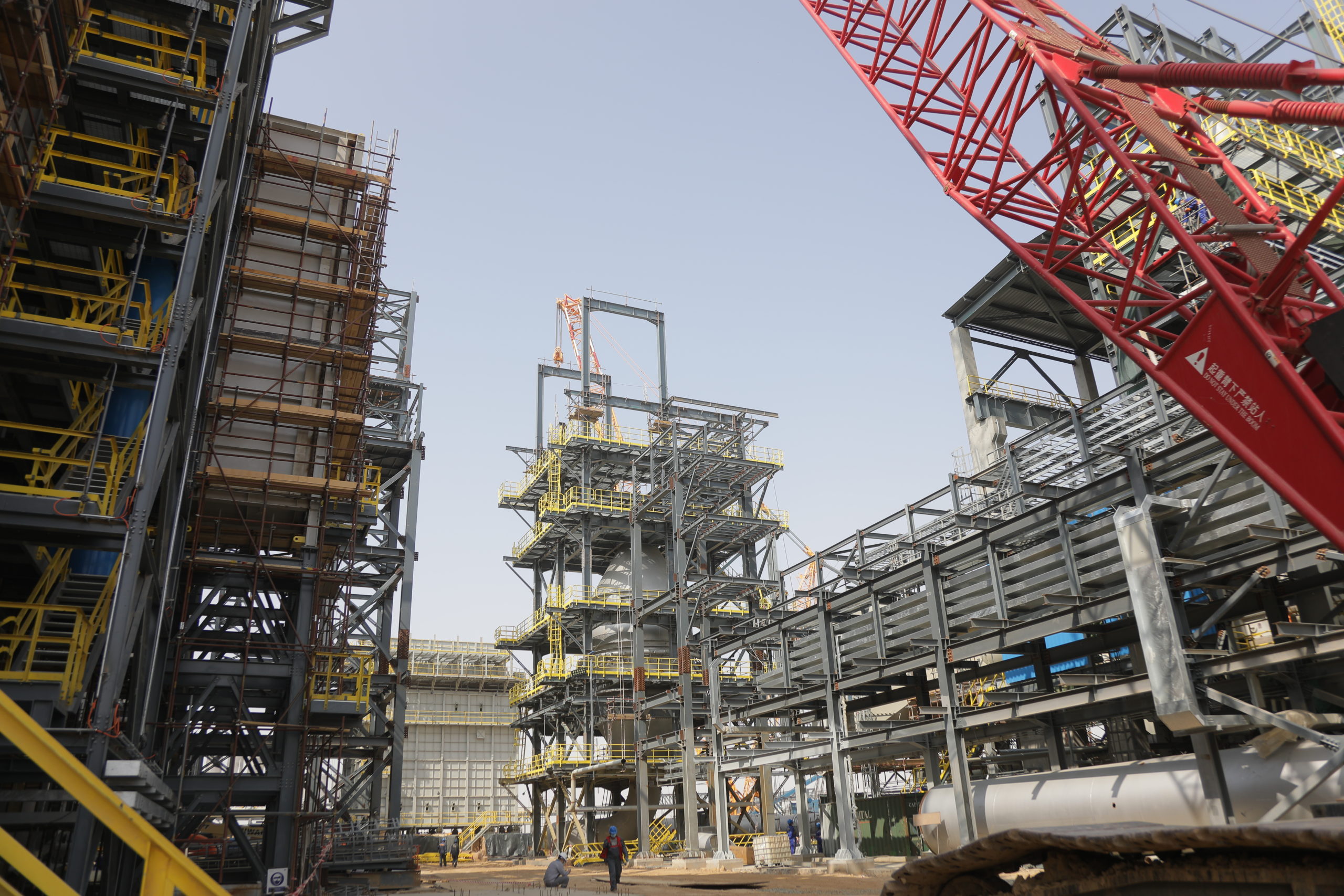
The construction of Kazakhstan Petrochemical Industries, the polypropylene plant.
Kazakhstan has intensified development of its petrochemical industry, prioritizing higher value-added production and strategic investment projects across the country, reported the Energy Ministry’s press service on Feb. 23.
A key milestone was the 2022 launch of the KPI integrated gas chemical complex in Atyrau, which produces 500,000 tons of polypropylene annually. Since commissioning, the plant has produced more than 800,000 tons, with 375,000 tons expected in 2025 alone. It now covers 83% of domestic polypropylene demand, significantly reducing reliance on imports.
Earlier, in 2021, a 57,000-ton methyl tert-butyl ether plant was commissioned in Shymkent, fully meeting domestic demand while supporting export potential.
The industry’s next phase centers on several large-scale projects under the supervision of the Energy Ministry. Construction is underway on a polyethylene plant with a capacity of 1.25 million tons per year, scheduled for launch in 2029. The project is considered strategically important, as Kazakhstan currently imports 100% of its polyethylene consumption.
A 100,000-ton alkylate production facility is also under construction and is expected to begin operations in 2027. In addition, two major projects are in the design stage: an 800,000-ton-per-year urea complex and a butadiene plant with planned capacity of up to 340,000 tons per year, both slated for commissioning in 2029.
Polypropylene and polyethylene are foundational materials used in thousands of consumer and industrial products, including packaging, medical supplies, automotive components, cable insulation and pipeline systems. Expanding domestic production will not only meet internal demand but also provide raw materials for small and medium-sized enterprises manufacturing finished goods from locally produced polymers.
To support this transformation, the ministry adopted a roadmap for the development of the petrochemical industry through 2030 in October 2024. A dedicated law on the petrochemical industry is also being drafted to formalize mechanisms for securing feedstock supplies and to lay the groundwork for a comprehensive petrochemical cluster in Kazakhstan.
