
ALMATY — The National Bank of the Kyrgyz Republic has raised its key policy rate by 100 basis points to 11%, citing continued external inflationary pressures and rising costs of imported goods.
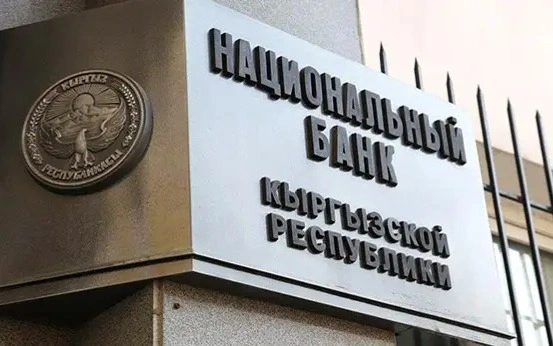
Photo credit: The National Bank of the Kyrgyz Republuc
Inflation reached 7.3% since the beginning of 2025 and stood at 8.9%, reported the regulator’s press service on Nov. 25.
The central bank noted that domestic price dynamics remain heavily influenced by global economic trends. Higher international food prices and elevated inflation in neighboring countries continue to push up the cost of imports, shaping current inflationary pressures inside the country.
The sharpest increase has been observed in non-food goods, driven primarily by more expensive imported fuels and lubricants, higher electricity tariffs, strong domestic demand and the secondary effects associated with these factors. Meanwhile, food prices have shown comparatively restrained growth.
Despite inflationary risks, economic activity remains robust. Real GDP expanded by 10% in January–October 2025, supported by steady consumer demand and rising investment activity. The main contributors to growth continue to be the services sector, construction and industry. Domestic demand is further strengthened by an influx of remittances, rising real wages and expanding consumer lending.
As of the first nine months of the year, the banking sector reported significant growth as the credit portfolio increased by 35.2%, while the deposit base rose by 35.7%. The regulator emphasized that the expansion of deposits in the national currency reflects both higher real household incomes and a shift toward greater savings amid tighter monetary conditions.
The National Bank also pointed to continued volatility in regional energy prices and rising global food costs, combined with inflationary pressure in key trading partners. These trends, the regulator warned, are likely to sustain a pro-inflationary environment in the near term and justify the move toward further monetary tightening. According to the officials, internal inflation drivers remain relatively moderate and manageable.
By raising the discount rate to 11%, the central bank aims to guide inflation back into its medium-term target corridor of 5–7%, ensuring greater stability in price dynamics.
