
ASTANA – Kazakhstan and the European Union are celebrating 33 years of diplomatic relations, marked on Feb. 2, a partnership that has evolved into a strategic, forward-looking collaboration across trade, investment, energy, connectivity, education, and sustainable development.
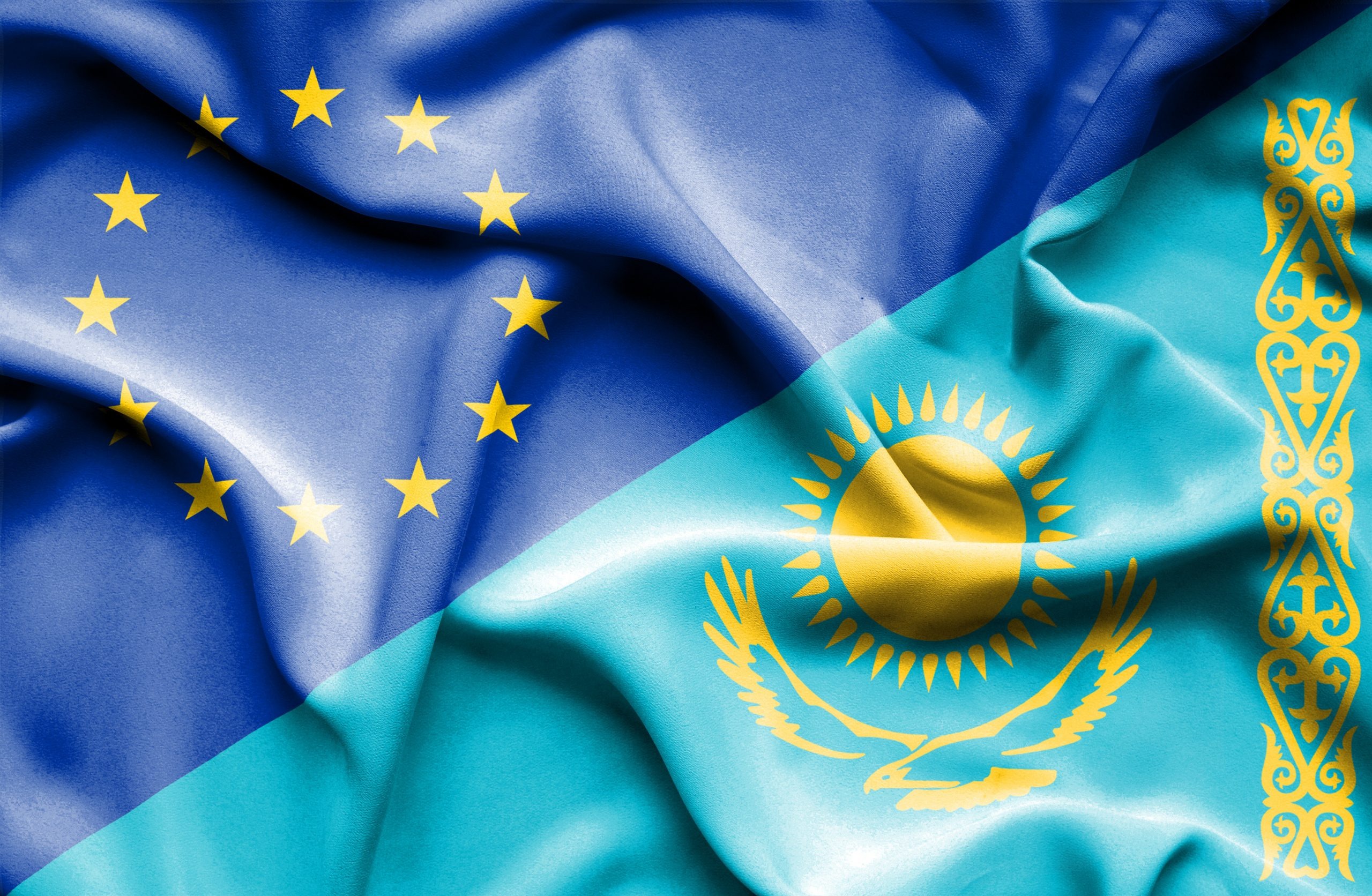
Photo credit: Adobe Stock
EU Reporter published an article by Roman Vassilenko, Kazakhstan’s Ambassador to the European Union, highlighting the milestone.
“When Kazakhstan and the European Union first established diplomatic ties in the early 1990s, both were navigating moments of historic transformation. Kazakhstan had just emerged as an independent state, charting its course in a rapidly changing world. The European Union, too, was deepening its integration and redefining its global role. What began as a cautious dialogue has, over 33 years, evolved into a comprehensive, resilient, and forward-looking partnership,” he wrote.
EU Ambassador to Kazakhstan Aleška Simkić, noted in the X account that what started over three decades ago “marked the beginning of a strong and dynamic partnership.”
Vassilenko noted that, at 33, relationships are no longer defined by experimentation but by trust built through experience. Over more than three decades, Kazakhstan and the EU have learnt to work together across political dialogue, trade and investment, energy, connectivity, education, climate cooperation, and people-to-people exchanges, reads the article.
“Today, Kazakhstan stands on the verge of a deep and wide-ranging constitutional reform, at the same time as it continues to pursue its balanced and constructive foreign policy, seeking to contribute to the establishment of a fair global order,” Vassilenko wrote.
He noted that meanwhile, the EU is facing the unprecedented upheaval in some of its more traditional relationships, it seeks to deepen its engagement with like-minded partners around the globe, including with Central Asia.
Vassilenko wrote that therefore, both countries “bound to work even closer together, as shared responsibilities and converging interests make cooperation not only desirable but also necessary, particularly in critical areas such as transport connectivity, agriculture, green and digital transformation, education, and the strengthening of ties between our societies.”
The Enhanced Partnership and Cooperation Agreement, signed in 2015, covers 29 areas of interaction and reflects the depth of engagement. This evolution reached a new milestone at the first Central Asia-EU Summit in Samarkand in April 2025, where leaders affirmed a shared strategic vision for deeper cooperation.
The EU is Kazakhstan’s largest trading partner and foreign investor, while Kazakhstan is a key partner for the EU in Central Asia. In 2025, trade turnover reached $45 billion, and the EU has invested more than $200 billion since 2005. Currently, over 4,000 European companies operate in Kazakhstan.
“These figures reflect not only economic ties but a strategic partnership rooted in mutual respect, common interests, and a commitment to multilateralism, international law, and sustainable development,” Vassilenko said.
Marking 33 years of diplomatic relations is not only a moment to reflect on progress achieved, but also to look ahead with confidence. The years ahead are expected to bring Kazakhstan and the EU even closer, guided by dialogue, trust, and a shared belief in the lasting value of cooperation and friendship, he said.
