
ASTANA – The Kazakh Energy Ministry confirmed efforts to find additional routes for the Kazakh oil and said Kazakhstan’s crude exports have not been entirely halted following a Nov. 29 attack from a Ukrainian drone on the Caspian Pipeline Consortium (CPC) terminal.
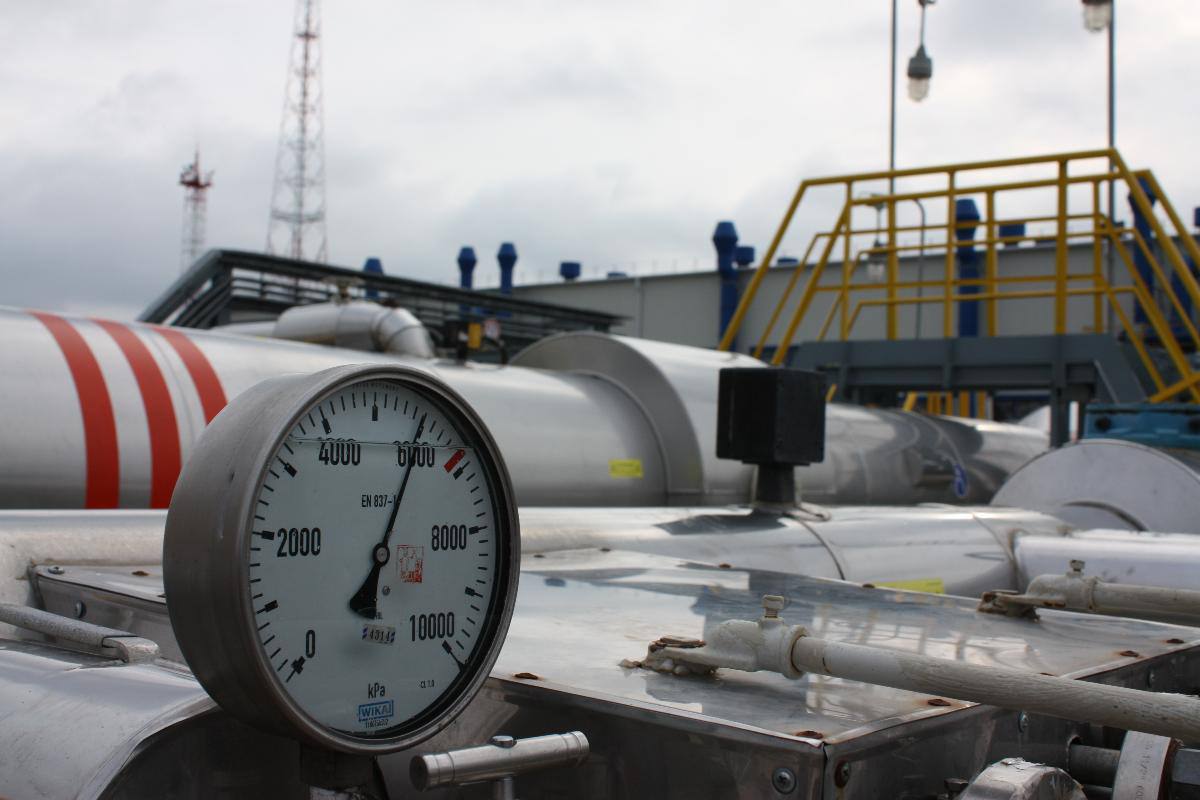
The incident marks the third reported attack on CPC infrastructure this year, following earlier strikes on the Kropotkinskaya pumping station and damage to the consortium’s Novorossiysk administrative office. Photo credit: CPC
“Oil loadings continue through the remaining operational infrastructure under heightened safety measures. The Energy Ministry, working with producing companies, is reassigning export volumes and scaling up the use of alternative routes,” the ministry told The Astana Times in a written comment. However, it didn’t disclose which alternative routes are under consideration.
“All feasible transport options are being reviewed and activated, with logistics adjusted in real time according to the technical capacity of receiving sides. The ministry’s priority is to maintain daily production levels at key fields and limit economic risks,” it added.
Reuters reported on Dec. 9, citing industry sources, that Kazakhstan plans to supply 50,000 metric tons of crude to China directly from the Kashagan field in December via the Atasu–Alashankou pipeline, which runs from Kazakhstan to the Xinjiang region. The oil is produced by the NCOC consortium, whose partners include China’s CNPC and Japan’s Inpex. According to the sources cited by Reuters, CNPC plans to send roughly 30,000 tons via the route, while Inpex is expected to supply around 20,000 tons.
After a Ukrainian drone damaged the second single point mooring (SPM) at the CPC terminal on Nov. 29, all loading operations were halted and tankers were moved outside the offshore area. The terminal has three SPMs located approximately five kilometers from the shore. Of the consortium’s three SPMs, only SPM-1 remains in service. The company said in a statement that SPM-2 cannot be returned to service, while offloading at other moorings will resume in line with safety protocols once drone threats are cleared.

Khassenov meets with Gorban in Astana on Dec. 9. Photo credit: kmg.kz
CPC teams and contractors are currently carrying out hose replacements on SPM-3 at the consortium’s terminal, CPC Director General Nikolay Gorban told KazMunayGas Chairman Askhat Khassenov during their meeting on Dec. 9 in the Kazakh capital. Khassenov stressed the importance of stable transit of Kazakh oil and said the company is prioritizing the uninterrupted operation of the CPC system.
The incident marks the third reported attack on CPC infrastructure this year, following earlier strikes on the Kropotkinskaya pumping station and damage to the consortium’s Novorossiysk administrative office. CPC described it as an attack on the economic interests of all shareholder states.
CPC transports crude from Kazakhstan’s Tengiz, Kashagan and Karachaganak fields to the Black Sea. In 2024, the pipeline handled roughly 63 million tons of oil, around 74% of which belonged to international shippers, including Tengizchevroil, ExxonMobil, KazMunayGas, Eni, and Shell.
The Kazakh Foreign Ministry on Nov. 30 expressed its protest over the attack. Kazakhstan also remains in contact with Ukraine regarding the attack, Foreign Ministry spokesperson Aibek Smadiyarov said during a Dec. 9 press briefing in Astana.
He noted that the issue surfaced during Foreign Minister Yermek Kosherbayev’s visit to Vienna for the OSCE Ministerial Council.
“While in Vienna, the foreign minister had a brief standing meeting with his Ukrainian counterpart. I was not present at the conversation itself, but I was nearby, and I am confident the CPC situation was discussed,” Smadiyarov told journalists.
He said the ministry would not provide further public comment on the matter. “We remain in contact with the Ukrainian side and will continue working through closed diplomatic channels,” he added.
According to First Vice Minister of Economy Azamat Amrin, the government expects to meet its year-end oil export targets. He said, “there will be no significant losses for the budget.”
