
ASTANA – Kazakh society is defined by rich cultural heritage and enduring traditions, carefully preserved and passed down through generations. From hospitality toward strangers to deep respect for ancestors, these values have shaped the way of life on the steppe and have been sustained and transmitted largely through women.
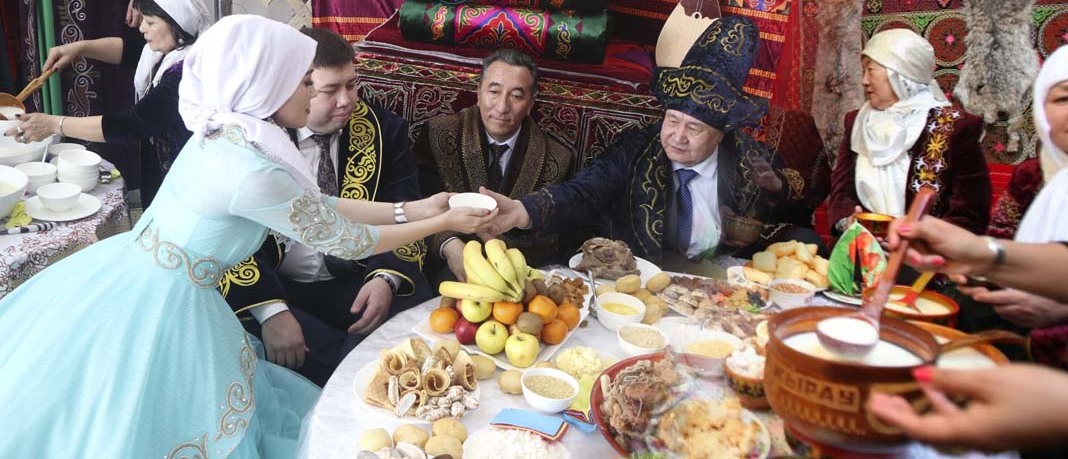
Photo credit: kazislam.kz
For centuries, hospitality has stood as one of the defining pillars of Kazakh culture. A traveler crossing the vast steppe, even a stranger, could expect food, shelter and warmth without question.
Traditions begin at home
According to Saltanat Asanova, a candidate of historical sciences, hospitality was a moral obligation and refusing a guest was not just impolite but a moral failing.
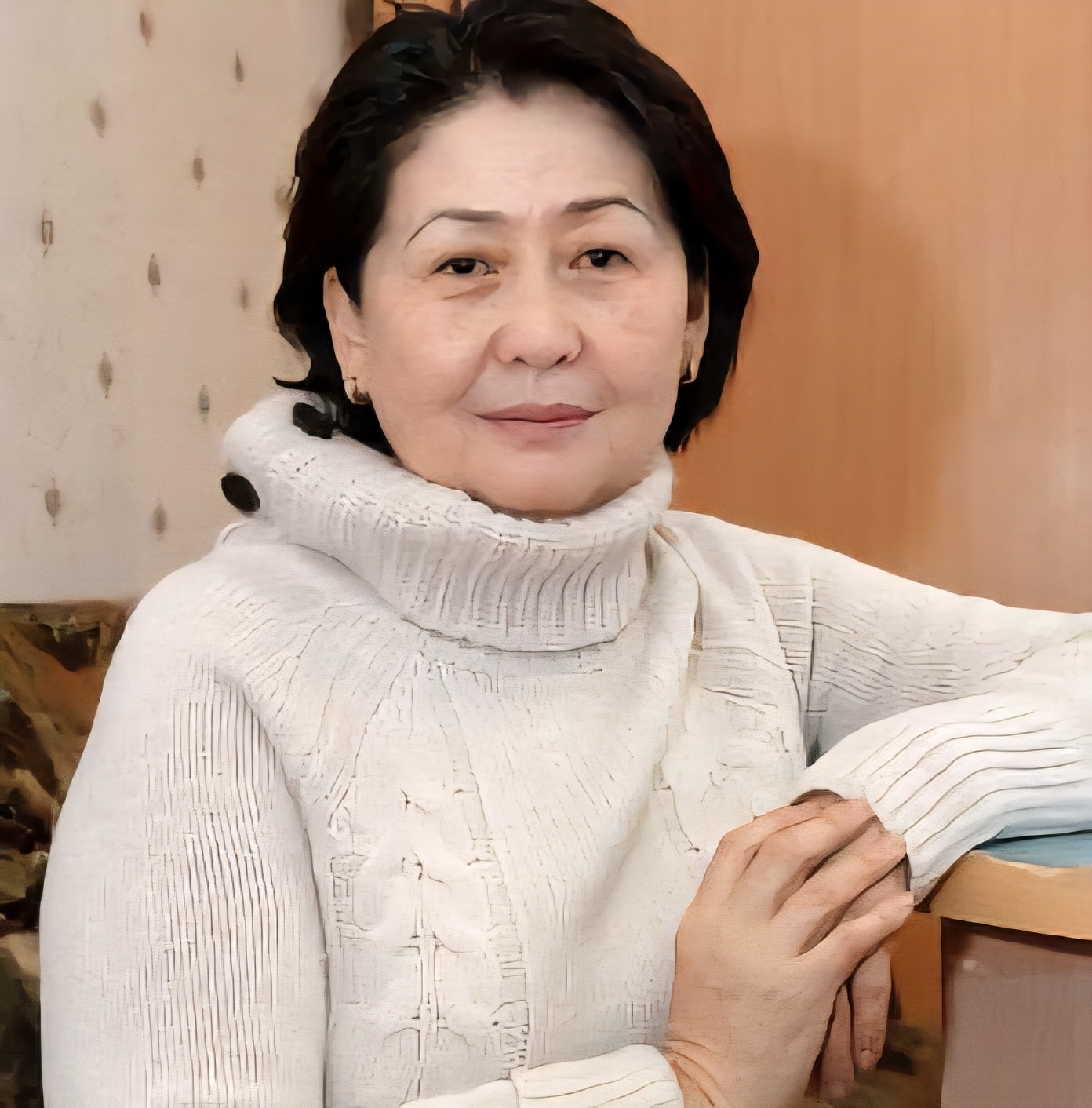
Saltanat Asanova, a candidate of historical sciences. Photo credit: Asanova’s personal archieve
“There is a legend that a special share of wealth was set aside for guests. A traveler was seen as a messenger from God, and failing to welcome or provide for them was considered a serious offense,” Asanova told The Astana Times.
This principle was both ethical and practical. In the open landscape of the steppe, where survival often depended on mutual support, offering hospitality helped prevent conflict and build trust.
Equally central was respect for elders, deeply tied to the tradition of knowing one’s zheti ata, a term referring to seven generations of ancestors. These ancestors, known as aruakhs, are believed to be the spirits of deceased relatives who protect and guide the living. Every person had their own lineage of ancestors, and Kazakhs traditionally turned to them as a sign of respect.
“Honoring elders meant recognizing that they would one day become your ancestors. This created a deep connection between generations. There was also an understanding that you, too, would become an ancestor and your name would remain in history, shaping a strong respect for older generations,” Asanova said.
She noted that this belief extended even to warfare traditions, where invoking the names of ancestors was thought to strengthen and protect warriors.
“Warriors would call upon their ancestors as they rode into battle. This was both a spiritual act and a source of strength. It was believed that ancestral spirits accompanied them, amplifying both their strength and their presence,” she said.
Power without legal rights
Asanova highlighted that these values did not sustain themselves. They were taught, reinforced and lived primarily within the family.
“In traditional Kazakh society, where men were often away tending livestock, protecting herds or participating in public life, women remained at the center of the household, the space where culture was formed and transmitted. A great deal depended on women. Everything related to the home, the family and the aul (village) was their responsibility,” Asanova said.
She described women as occupying one of the highest positions in the Kazakh hierarchy of values, second only to health.
“It is said that the first wealth is health, and the second is a wife. Kazakhs understood how vital women were for preserving the family, the clan and even the nation. There is a saying that ‘a woman rocks the cradle of the world,’ because the future depends on what kind of mother and wife she is,” she said.
Even the yurt, the symbolic and physical center of nomadic life, was assembled and dismantled by women.
“Because of this, great importance was placed on choosing a bride and on matchmaking. Respected and well-off families would travel between villages looking for girls from families of good standing with strong lineage and kinship ties,” Asanova said.
Central to this system was the principle of zheti ata. Knowing ancestry across seven generations helped avoid marriage within that kinship circle.
“Marriage was only allowed between people separated by seven generations. The further the lineage, the better, it was believed to strengthen the bloodline. This is why marriages with women from distant regions or even other ethnic groups were not condemned,” Asanova said.
She noted that this tradition functioned both as a cultural code and a biological safeguard, protecting the health of future generations while reinforcing a deep awareness of ancestry.
Despite their significant social role, women remained legally and economically dependent in the patriarchal structure of traditional Kazakh society. Property ownership typically belonged to male family members such as fathers, husbands or eldest sons.
“Women could manage the household, be a warrior and even hold real authority, but legally they had limited rights. In the case of divorce, a woman could leave, but children remained with the husband’s family, which made such decisions extremely difficult,” Asanova said.
She noted that widowhood followed established customs. Under an amenger custom, a widow could marry her late husband’s brother to preserve family continuity. However, if she had adult sons, she could remain head of the household, a position of informal authority, though not legal ownership.
Status earned over a lifetime
Asanova highlighted that a woman’s place in society was not fixed. It evolved.
A young bride entered her husband’s family with little authority, expected to adapt and prove herself. Over time, particularly after bearing children, her status grew.
“Marriage was, in many ways, a social contract between two clans or extended families. A woman contributed to the lineage’s growth. The more children she had, the higher her status, which was also closely tied to her role as a daughter-in-law,” Asanova said.
While modern discussions often portray relationships between mothers-in-law and daughters-in-law as tense, Asanova noted that historically, young brides were treated differently, particularly in their first year.
“A daughter-in-law was seen as an outsider, someone who came from another clan and entered the most intimate space of the family. During the first year, she was often shielded from household duties to allow time to adapt and become part of the family,” she said.
Asanova emphasized that this practice was more common among wealthier families, where young couples were often given a separate yurt, known as otau, and, in some cases, a substantial dowry that could include household goods, livestock and even a fully equipped yurt.
Asanova added that many of these traditions have changed or been lost over time, particularly during the Soviet period, which disrupted social structures and traditional elites.
“As a result, some customs that are now perceived as traditional are, in fact, altered or simplified versions. In less affluent households, daughters-in-law were often expected to take on responsibilities immediately, which could lead to stricter dynamics,” she said.
According to Asanova, a woman’s position was strengthened with the birth and upbringing of children, and especially with the arrival of grandchildren.
“The status of a young woman and an older woman was completely different. With age, experience and a growing family, a woman gained authority and respect. Older women held a particularly high status as they had fulfilled their role and became the custodians of family wisdom and tradition,” Asanova said.
To explore more about how the role of women in Kazakhstan has evolved, from nomadic life on the steppe to the social transformations of the 20th century and modern society, watch a special episode by Aida Haidar on The Astana Times YouTube channel, and read her column here.
