
ALMATY – Geopolitical changes and growing passenger demand are increasing the importance of aviation finance mechanisms in Central Asia and the Caucasus, experts said during a roundtable held on March 10 at the Astana International Financial Centre (AIFC).
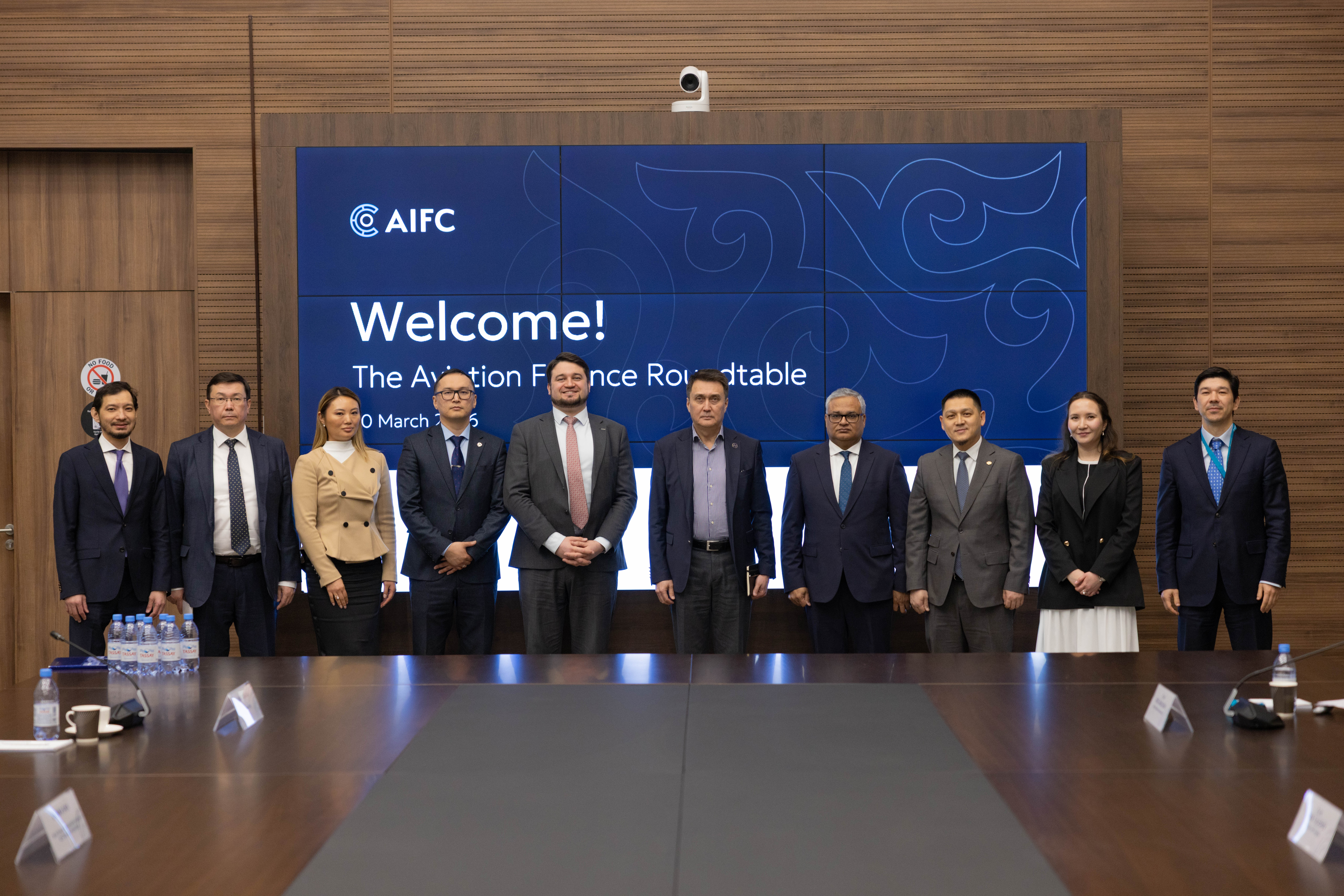
Geopolitical changes and growing passenger demand are increasing the importance of aviation finance mechanisms in Central Asia and the Caucasus, experts said during a roundtable held on March 10 at the Astana International Financial Centre. Photo credit: AIFC.
According to research conducted by the AIFC, the aircraft fleet in Central Asia and the Caucasus could double by 2030. Globally, aircraft manufacturer Airbus forecasts the number of aircraft will grow from 24,730 in 2024 to about 49,210 by 2044.
Experts noted that the rapid expansion of passenger traffic and airline fleets is generating strong demand for new aviation financing tools, particularly aircraft leasing. At the same time, geopolitical uncertainty and shifts in global transport corridors are increasing the need for reliable and secure financing frameworks to ensure the stable development of the aviation sector.
Industry leaders discuss regional opportunities
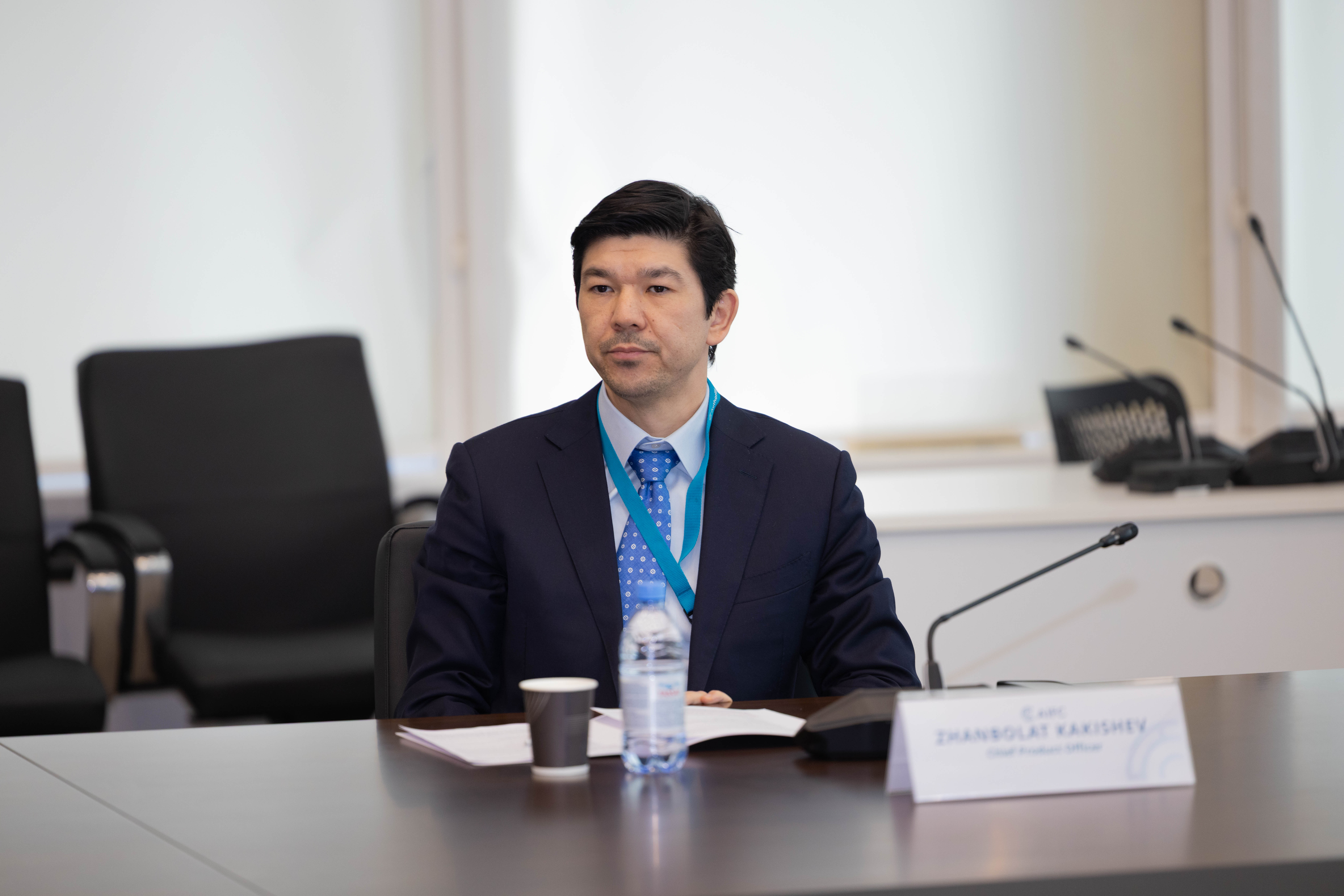
Zhanbolat Kakishev. Photo credit: AIFC.
The roundtable brought together representatives from the aviation industry, international organizations and the expert community.
Chief Product Officer of the AIFC Authority Zhanbolat Kakishev presented the activities of the Aviation Finance Hub, an AIFC initiative aimed at developing the aviation finance ecosystem in the region.
“The AIFC is exploring Kazakhstan’s potential as a regional hub for aviation finance and leasing, drawing on leading global practices and growing demand in Central Asia and the Caucasus,” Kakishev said. “The initiative aims to facilitate financing and leasing of commercial and cargo aircraft, support sustainable aviation development, attract investment and strengthen international cooperation.”
Kazakhstan’s aviation market expands
In his remarks, Air Astana CEO Peter Foster highlighted Kazakhstan’s strong position in the rapidly expanding regional aviation market.
“Kazakhstan is Central Asia’s aviation leader in the fastest growing air transport market in the world. However, we are not unchallenged. Other parts of the region are developing fast. To stay ahead, we need a focused and united aviation development plan and to invest carefully for maximum impact,” Foster said.
Experts noted that 55% to 80% of commercial aircraft in the region are leased, compared with a global average of about 60%. Kazakhstan’s strategic geographic location, expanding infrastructure, and growing aviation workforce further strengthen its potential to become a regional aviation hub.
Leasing model dominates modern aviation

Assel Bagissova. Photo credit: AIFC.
Head of the AIFC Aviation Finance Hub Assel Bagissova emphasized that leasing has become the primary mechanism for fleet management in the aviation industry.
“Today only 45% of the global commercial aircraft fleet remains owned by airlines, with leasing serving as the primary mechanism for fleet management. The leasing model provides higher returns relative to risk compared with other financing methods,” Bagissova said.
She added that leasing companies significantly outperformed aircraft manufacturers in efficiency in 2024, according to industry assessments.
AIFC positioning in the global leasing market
Legal experts noted that the attractiveness of a jurisdiction for aviation leasing depends on several key factors, including the legal framework, tax regime and the presence of a developed aviation services ecosystem.
Partner at Watson Farley & Williams Jim Bell said that the AIFC could complement established leasing centers.
“AIFC should carefully consider its positioning as a leasing hub. Leasing companies already cluster in established centres like Ireland and the United States. However, by identifying a clear niche that offers advantages for extending operations in the region, AIFC could position itself as a complementary destination to these established hubs,” Bell said.
The AIFC jurisdiction operates under English common law principles, which experts say provide a strong legal foundation for aviation finance. Kazakhstan also has more than 55 tax treaties with other countries, facilitating cross-border transactions and attracting international investors.
Kazakhstan’s participation in the Cape Town Convention and the Aircraft Protocol also strengthens legal protections for leasing operations, including the use of the IDERA mechanism, which allows lessors to reclaim aircraft assets in the event of default.
Experts also pointed to Kazakhstan’s strong aviation safety performance. According to the International Civil Aviation Organization, the country complies with 82% of ICAO standards, exceeding both regional and global averages.
Against the backdrop of geopolitical uncertainty and shifting global logistics routes, experts concluded that the AIFC could play a growing role in building a modern aviation finance and leasing ecosystem, developing industry expertise and attracting international market participants to the region.
