
A conversation with the UNDP Resident Representative in Kazakhstan on the country’s transformation — ecological, economic, and human.
There is a particular kind of silence that greets you at the edge of the former Aral Sea: not the silence of nature at peace, but a silence in suspension, waiting to decide whether it will live or die. The saxaul tree, a drought-resistant shrub, anchoring drifting sand and holding an ecosystem together, has become the symbol of what recovery might look like here. Kazakhstan, which inherited the eastern basin of what was once the world’s fourth-largest lake, has spent decades struggling with one of the twentieth century’s most catastrophic environmental disasters.
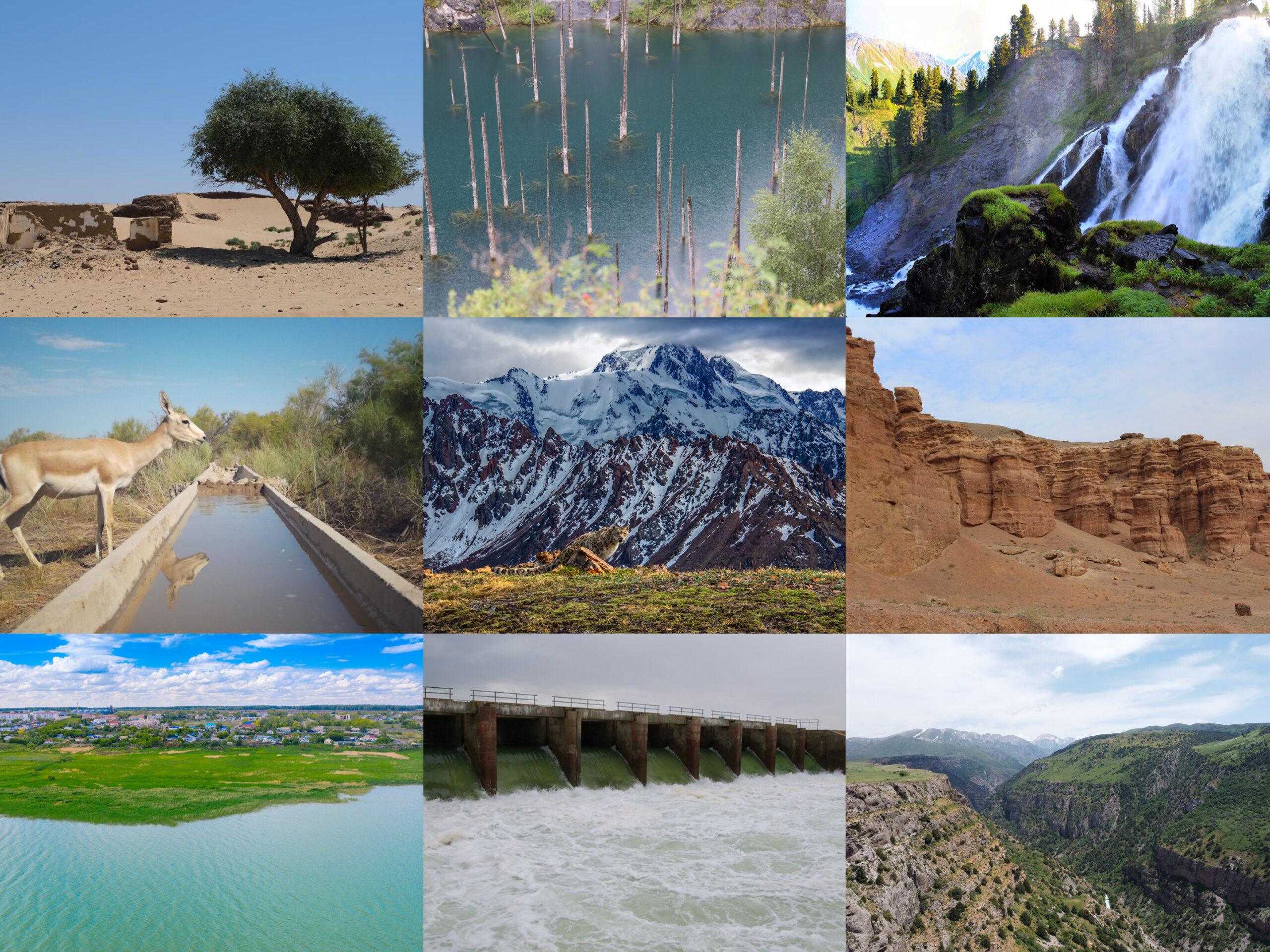
Photo credit: UNDP in Kazakhstan
Those efforts now have a number attached: 1.3 million hectares. That is the size of the proposed Aral Ormany forest reserve, for which UNDP in Kazakhstan completed a feasibility study in 2025—the first and most important step toward covering the dried seabed, with the ambition of establishing and protecting saxaul forests and improving ecological conditions for the people of Aral.
Katarzyna Wawiernia, the Resident Representative of UNDP Kazakhstan, leans forward slightly when discussing the subject. She has the measured cadence of someone who has learned to be precise with hope. “The Aral is not just an environmental story,” she said. “The sea left, but the people did not. The damage cannot be undone, but the consequences can be mitigated for the communities still living with them.”
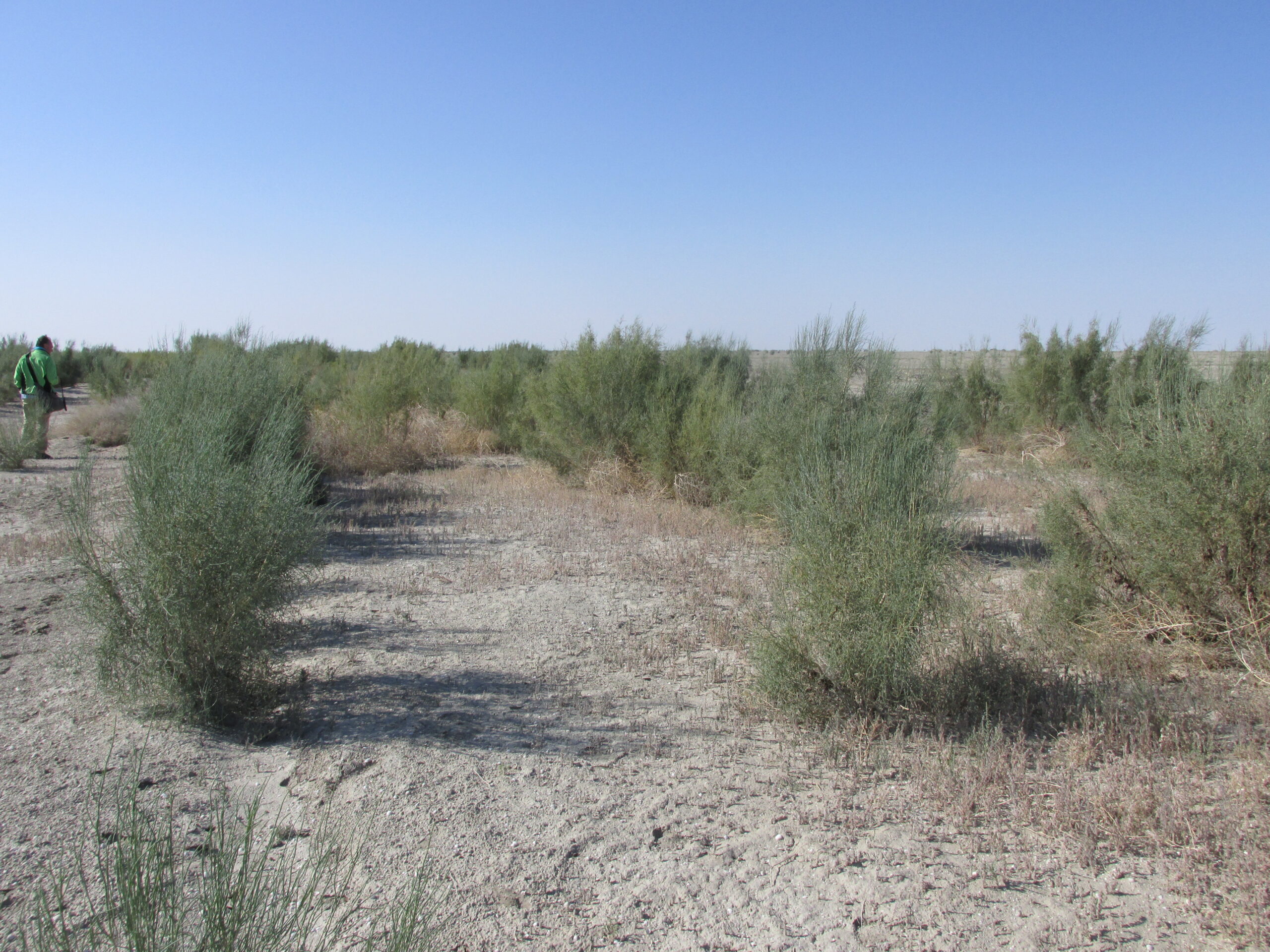
The saxaul project at the Aral Sea. Photo credit: UNDP in Kazakhstan.
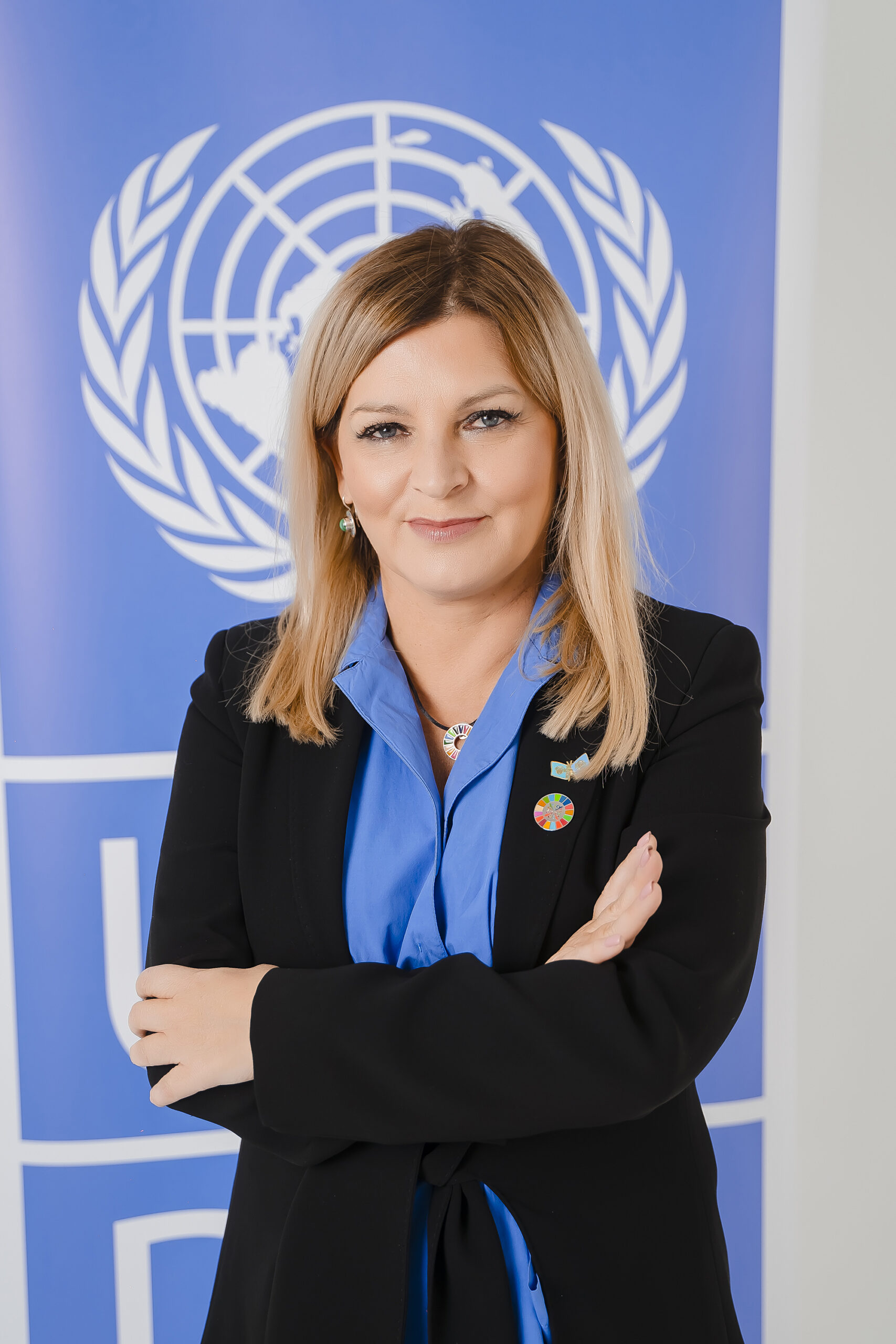
Katarzyna Wawiernia, the Resident Representative of UNDP Kazakhstan. Photo credit: UNDP in Kazakhsta
This conversation is timely. 2025 marks the final year of UNDP’s Country Programme Document for Kazakhstan—a five-year strategic framework that, in the dry language of development bureaucracy, “structured interventions across four priority areas.” In practice, it has meant UNDP’s fingerprints on a wide swath of Kazakhstani public life: health procurement, governance reform, digital innovation, climate adaptation, biodiversity policy, water management, and economic diversification, among others.
“That is a challenge,” Wawiernia explained. “Development does not divide neatly into sectors. A woman in a rural region cannot benefit from a better employment policy if climate change has destroyed her livelihood. Everything connects. Our job is to hold those connections together.”
A forest where the sea was
The Aral feasibility study sits within a broader biodiversity portfolio that UNDP completed in 2025: a National Biodiversity Strategy with concrete targets for forests, wetlands, and pastures and a new ecological tourism standard that makes businesses legally accountable for the ecosystems they profit from.
“The hardest thing is not the science,” Wawiernia said. “It is the failure of imagination — the inability to picture what is lost until it is gone. The world had that failure with the Aral. We cannot afford to repeat it with everything else that is quietly disappearing.”
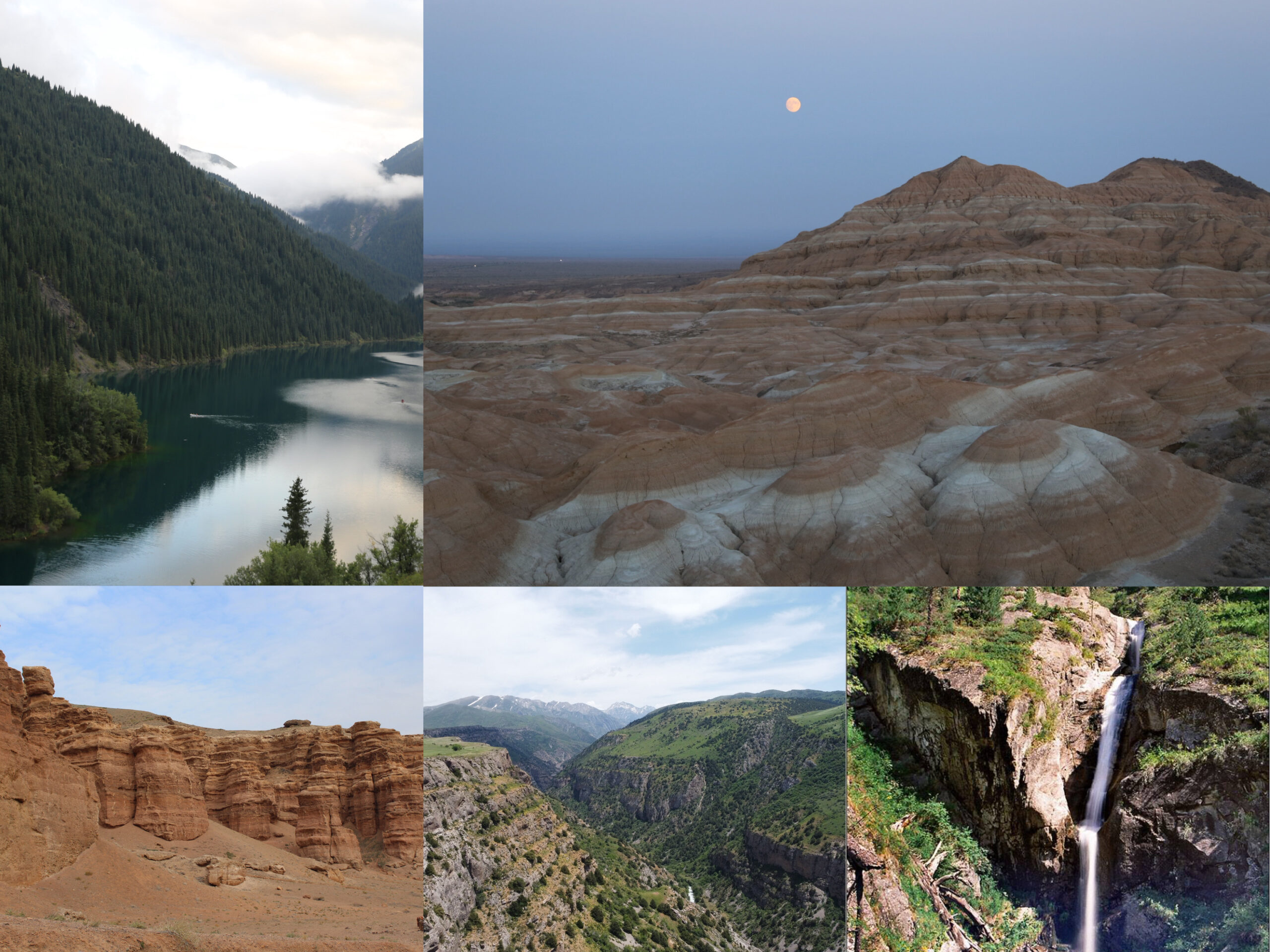
Nature reserve parks in Kazakhstan. Photo credit: UNDP in Kazakhstan
In Kazakhstan’s steppe, restoration is no longer just a strategy on paper. In 2025, it took a more concrete form: seventeen kulans, once nearly gone from the region entirely, were reintroduced to the Ile-Balkhash National Nature Reserve. They are, in their way, a proof of concept: what was lost can, under the right conditions, come back.
“Reintroducing creates the conditions for a self-sustaining wild population over time. It is part of a broader ecosystem restoration strategy connected to the eventual reintroduction of the Turan tiger, which would require prey species to be present in viable numbers,” she said.
The kulan is not the only conservation story UNDP has been part of in Kazakhstan. The country’s snow leopard population — reduced to perhaps 80 individuals by the mid-1990s — has grown by 26 percent between 2019 and 2024, with current estimates placing the number at between 152 and 189 animals.

Kulans. Photo credit: Oleg Bilyalov / UNDP in Kazakhstan.
UNDP has been central to that recovery, deploying camera traps and satellite telemetry across mountain ranges to map migration routes that cross into China and Kyrgyzstan. The establishment of the Merke Nature Park in the Zhambyl region — covering over 86,000 hectares in the Western Tien Shan — represents one of the most recent milestones, with a wildlife census recording eight snow leopards, 120 argali sheep, and 22 Turkestan lynxes within its boundaries. The park’s creation was itself made possible, in part, by UNDP-supplied camera traps that first captured evidence of snow leopards in the area in 2019 — proof that the ecosystem had recovered enough to support them.
“When the snow leopard comes back,” Wawiernia said. “It tells you something true about the health of a landscape that no report can.”
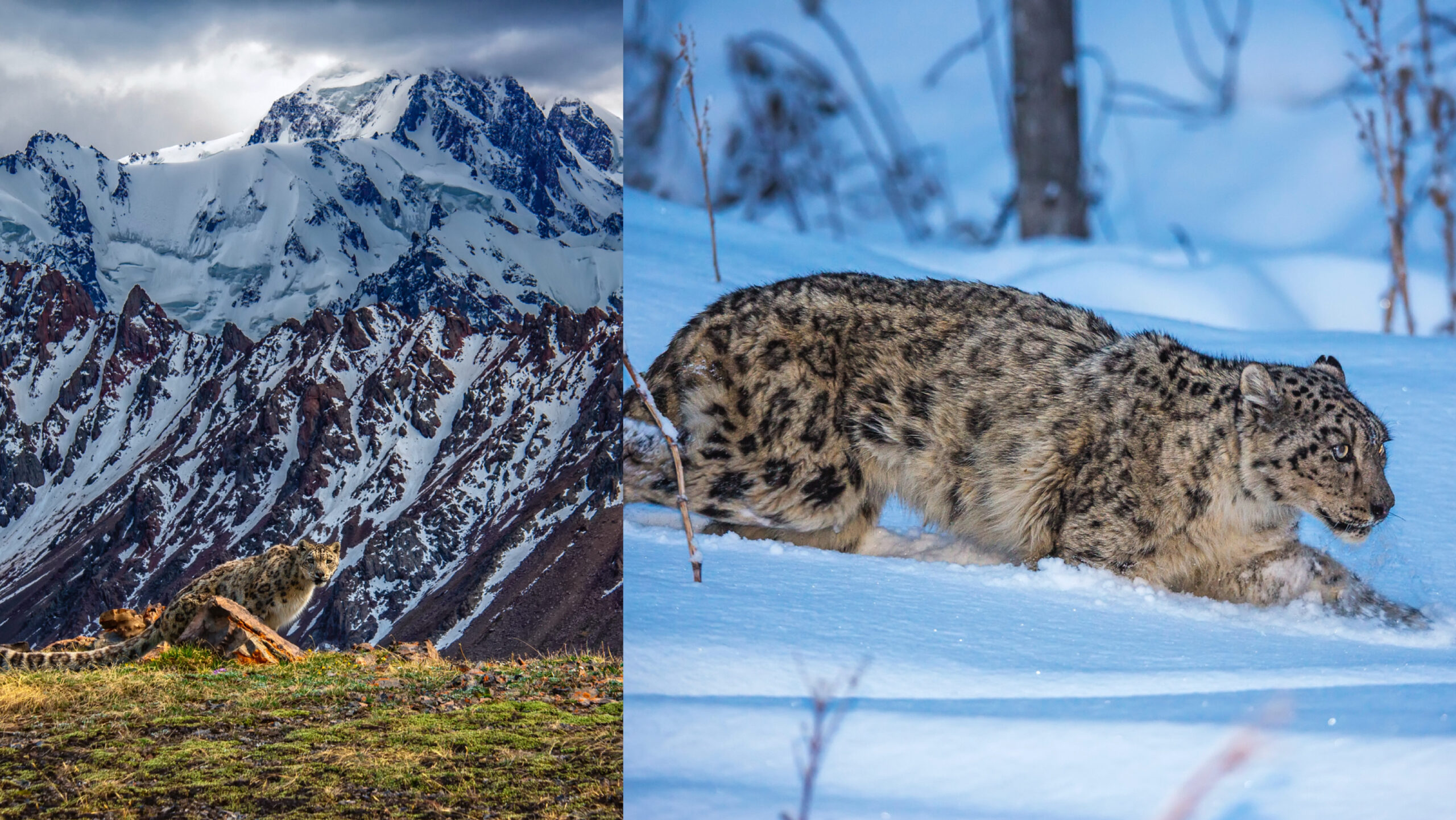
Snow leopards. Photo credit: UNDP in Kazakhstan
That logic now extends to finance. Through the Biodiversity Finance Initiative — BIOFIN, supported by Germany, Canada, Switzerland, the European Union, and the United Kingdom — UNDP worked with the government to reform the pricing structure for services within protected areas. The result was a sixfold increase in revenues in a single year, a shift that matters less as a headline number than as a signal: that Kazakhstan’s protected area system can, with the right financial architecture, begin to sustain itself.
More than ninety stakeholders from the financial sector worked through the country’s first assessment of readiness for nature-related financial disclosure supporting the efforts to prepare Kazakhstan’s financial system for emerging global disclosure standards and nature-related risks affecting key economic sectors.
On climate, the picture is more urgent. A nationwide survey of 3,500 residents shows that climate, environmental issues and the deterioration of nature rank among the country’s top three concerns, following inflation and rising prices and salaries and pensions.
The findings send a clear message: while society is not indifferent to climate and environmental challenges, public engagement requires structured support—through education, motivation, legal protection and economic incentives. With Green Climate Fund financial support, the Ministry of Ecology and Natural Resources and UNDP drafted the National Adaptation Plan, covering key sectors: forestry, agriculture, water resources, and civil protection/disaster risk reduction. Effective responses must go beyond raising awareness to actively involve people in shaping the transition.
The water architecture
Kazakhstan’s 2024 floods—among the most severe in the country’s post-independence history—exposed the fragility of infrastructure built for a different climate.
In partnership with the Ministry of Water Resources and Irrigation, UNDP in Kazakhstan launched a new flood management project focused on dam safety, backed by $2 million from the Government of Japan. But the ambition extends further. A partnership brokered with UNDP support between the Islamic Development Bank and the Government of Kazakhstan resulted in a two-phase agreement for climate-resilient water management and agricultural productivity — one of the largest of its kind in the sector.

Kokaral Dam. Photo credit: UNDP in Kazakhstan
UNDP also completed a climate and disaster risk profile for North Kazakhstan – one of the country’s most flood-exposed regions, with a population exceeding 500,000 – designed to inform urban planning decisions for a generation. A Climate Risk and Vulnerability Assessment methodology was developed and tested through capacity-building sessions in seventeen cities, engaging 351 participants from agencies spanning agriculture, forestry, emergency management, and academia.
At a pivotal moment in strengthening national resilience, Kazakhstan is modernizing how it assesses and responds to disasters. As natural and technological risks grow, so does the need for a comprehensive and standardized approach to post-disaster assessment and long-term recovery planning. In response, UNDP, in collaboration with the Ministry of Emergencies, developed a national methodological guide for assessing damage, losses and recovery needs following large-scale emergencies.
The guide adapts the international Post-Disaster Needs Assessment (PDNA) methodology to Kazakhstan’s context and aligns it with national legislation, helping institutions move with the Building Back Better framework. This is an approach that gives impacted communities the chance to reduce risk not only from the immediate hazard but from threatening hazards and conditions as well.
The procurement of hope
One of the most consequential achievements in UNDP’s portfolio—and, measured in human terms, perhaps the most direct is a medicine procurement. Through a strategic partnership with Kazakhstan’s Ministry of Healthcare and SK-Pharmacy, UNDP has helped introduce international procurement standards, transparent sourcing and access to global pharmaceutical markets into the country’s public procurement system. Leveraging its global supplier network and quality assurance mechanisms, UNDP has been able to secure essential medicines at prices substantially below official ceiling levels.
In 2025 alone, this partnership ensured access to essential and life-saving medicines for approximately 11,000 patients: 4,500 cancer patients; more than 3,000 children with rare genetic and neurological disorders; and roughly 3,500 adults -predominantly women aged 40 to 65 -treated for autoimmune and chronic inflammatory diseases, including rheumatoid arthritis and psoriasis. The aggregate state budget saving: $9.7 million in a single year demonstrating how international procurement can simultaneously improve patient access and strengthen the long-term sustainability of the healthcare system.

Photo credit: Adobe Stock
“UNDP values the Ministry of Health’ efforts towards making pharmaceuticals more affordable and of the best quality for the population of Kazakhstan. We are providing a specific technical service – procurement expertise and international market access – that helps to build a more sustainable and equitable model, in which patients benefit and the health system becomes more efficient,” Wawiernia said.
That partnership sits within a broader reform effort that Kazakhstan has been driving in parallel. According to the Ministry of Healthcare, pricing reforms introduced in 2025 reduced maximum prices for medicines covered under the Guaranteed Volume of Free Medical Care and the Mandatory Social Health Insurance system by an average of 15 percent.
Amendments to national regulations have also expanded the use of international procurement mechanisms. As a result, procurement of medicines through UN-established international organizations increased by 87% (from 23 to 43 medicines), including procurement through UNDP, UNICEF and the Stop TB Partnership. Overall, these procurement reforms generated approximately 70.5 billion tenge in state budget savings in 2025, enabling the government to redirect additional resources toward expanding access to medicines
The digital family card
Perhaps the most structurally significant intervention of the five-year program is one that most Kazakhstanis now encounter as a simple administrative convenience: the Digital Family Card. Developed with UNDP support, the platform brings together data from multiple ministries to improve the targeting of social benefits—reducing the bureaucratic burden on citizens while enhancing the state’s ability to identify who actually needs assistance.
Nearly 600,000 citizens have benefited directly. The Social Code of 2023, developed with UNDP input, expanded the legislative framework supporting this digital transformation of social protection. Together, they represent a quiet revolution in how Kazakhstan’s welfare state identifies and reaches its intended beneficiaries.

Photo credit: UNDP in Kazakhstan
“The problem with social protection, sometimes, is not that the programmes do not exist,” Wawiernia explains. “It is that the programs exist in parallel – different eligibility criteria, different data systems, different ministries sometimes working at cross-purposes. The Digital Family Card is an attempt to unify that architecture: to make one system out of many, and in doing so, make it visible to the people it is supposed to serve.”
At the same time UNDP’s governance portfolio increasingly focuses on preparing institutions for technological changes reshaping policymaking. In 2025, UNDP trained sixty government press secretaries—half of them women—in applied AI tools for public communication, producing what is described as the region’s first comprehensive guide to the ethical use of AI in government. Forty civil servants from the Presidential Administration, the Cabinet, and regional governments worked through a project management simulation. Sixty more were trained through the Academy of Public Administration in design thinking and participatory approaches.
Practical AI literacy today, UNDP Resident Representative argues, is not a luxury, it is a necessity. Without investment in skills and access, AI risks deepening existing inequalities rather than narrowing them: concentrating gains among those already well-positioned, and leaving behind the populations that development work exists to serve.
The economy beyond the extractive
Kazakhstan’s long-term economic challenge mirrors that of many resource-rich economies: diversifying growth before global demand for extractive commodities becomes uncertain. UNDP, in close and effective cooperation with the government, has operated at multiple levels simultaneously—from national labour market modelling to district-level digital skills training in remote regions.
One example is the Digital Kyzylorda program, supported by the Government of the Republic of Korea. Implemented across all seven districts of Kyzylorda region, the initiative trained 162 micro-, small-, and medium-sized entrepreneurs—approximately half of them women in digital marketing, e-commerce, CRM systems, automation tools, and AI-enabled applications. Twenty of them were then trained as local trainers, creating a replicable delivery infrastructure.
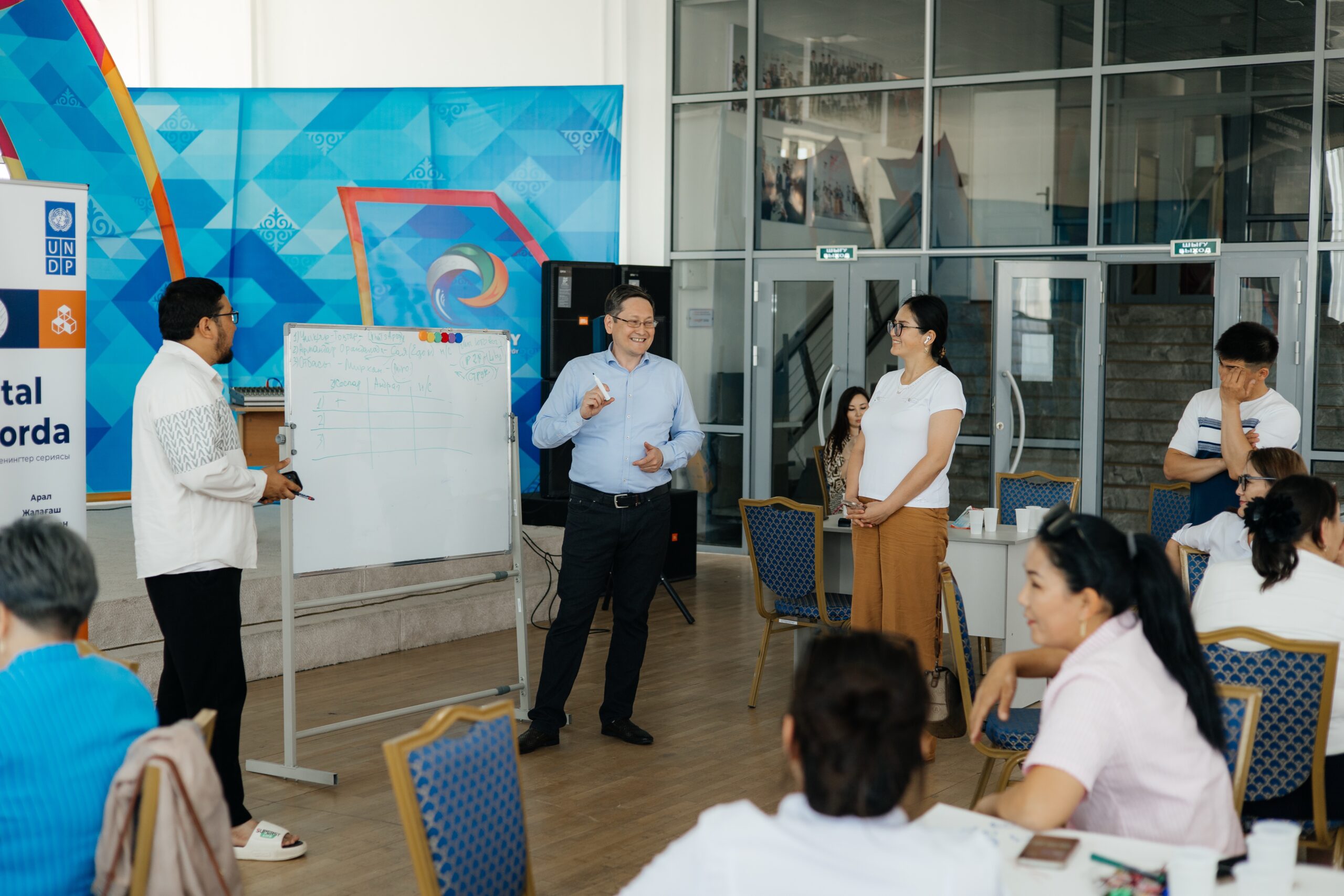
Training for small and medium-sized business. Photo credit: UNDP in Kazakhstan
“We are not naive about what a training program can do,” Wawiernia said. “It does not change the structure of a regional economy by itself. But it changes what is possible for individual businesses, and it changes what local officials believe is possible. That matters for how they make planning decisions.”
At the national scale, UNDP supported the development of a labour market forecasting model covering 68 economic sectors alongside comprehensive analysis of demographic and migration dynamics and cross-border mobility, and launched the development of a multi-industry forecasting tool. These efforts provide a critical foundation for reducing regional disparities, identifying labor shortages, and improving the government’s ability to design policies that expand productive capacities and create sustainable, decent jobs for vulnerable groups. In addition, comprehensive socio-economic and spatial analyses of the Abai and Ulytau regions provided a stronger evidence base for regional development planning and targeted investment strategies.
The next cycle
As the 2021–2025 program concludes, UNDP and the Kazakhstani government are entering the next one. Each programme cycle, Katarzyna Wawiernia insists, must be genuinely responsive to changing conditions – not merely an extension of the previous logic.
“There is no such thing as finished in this work,” she said. “There is only the next issue that needs addressing, and whether you have built enough trust, capacity and shared understanding to address it together.”
She smiles. “Supported by partners we have done quite a lot. Now we have to do it again.”
The article is published in partnership with the UNDP in Kazakhstan.
