
ASTANA – Kazakhstan established three new special economic zones, including Korkyt Ata, Aktobe and Atyrau in 2025 as part of efforts to strengthen investment attraction, announced QazIndustry, the national operator for special economic and industrial zones on Dec. 25.
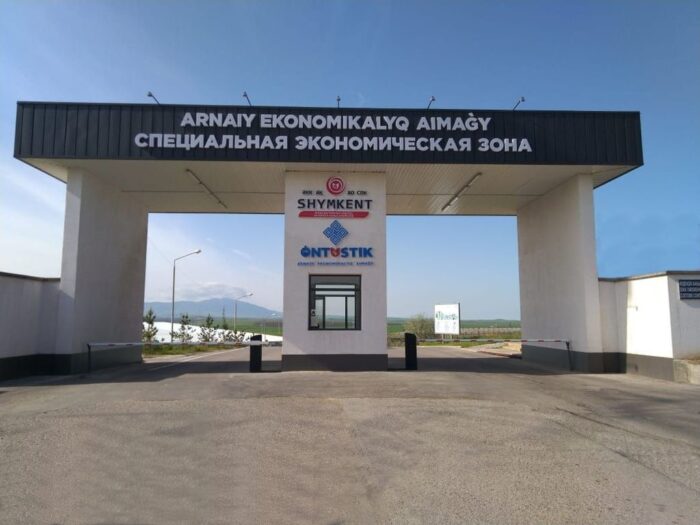
One of the special economic zones. Photo credit:sez.qazindustry.gov.kz
The country also expanded the territories of several existing special economic zones, such as Turan, Aktau Seaport, Pavlodar, Khorgos-Eastern Gate, Saryarka, Jibek Joly, Qyzyljar, and the National Industrial Petrochemical Technopark.
According to the statement, state support measures remain a key driver of investor interest in these zones, while updates to legislation governing special economic and industrial zones remain a top priority.
Since 2024, Kazakhstan has used a differentiated incentive system based on the principle that the more investment, the more benefits, to attract higher-quality projects. A mechanism allowing early buyout of land plots within special economic zones after three years of operation has also been introduced for manufacturing projects.
“Additional steps are being taken to further develop industrial territories. The government has approved the expansion of the Aktau Seaport, Ontustik, Astana Technopolis, Saryarka and Alatau zones to support airport development and create multimodal air hubs. Priority business activities have also been broadened in several zones, including Aktau Seaport, Jibek Joly, Alatau, Khorgos-Eastern Gate, Aktobe, Korkyt Ata, Qyzyljar and the Innovation Technology Park,” reads the statement.
Officials say the measures are intended to attract investment, create jobs, expand production capacity and encourage the adoption of innovative technologies.
Kazakhstan currently has 17 special economic zones and 67 industrial zones nationwide. This month, The Astana Times explored the hottest projects and major developments across the country’s economic zones, which are driving its investment push with tax breaks, streamlined customs, and ready-to-use industrial sites.
