
ALMATY – Kazakhstan marks National Book Day and Librarians’ Day on April 23, highlighting the growing role of reading culture and the modernization of library services across the country.
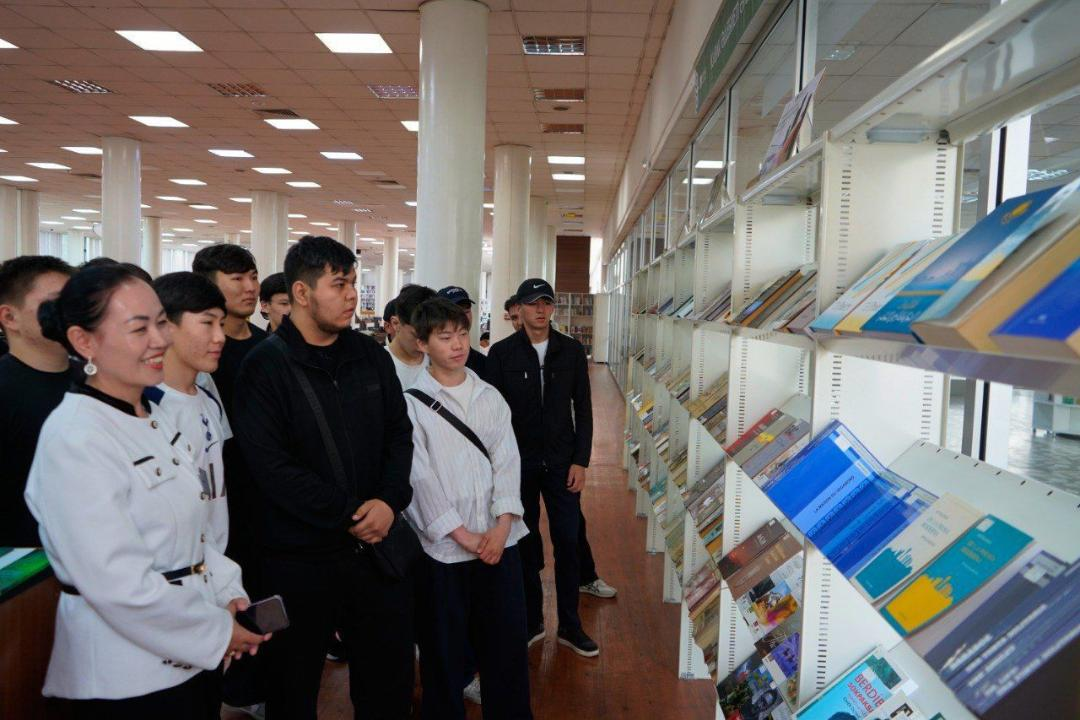
Kazakhstan shows rise in demand for reading materials, particularly among younger audiences. Photo credit: Ministry of Culture and Information.
President Kassym-Jomart Tokayev addressed the nation, emphasizing the importance of preserving a strong reading culture in the digital age, reported the Akorda.
“A culture of reading, as a recognized indicator of a high-quality nation, must remain an integral part of our behavioral code amid total digitalization and the dominance of artificial intelligence,” he said.
Libraries modernize amid rising demand
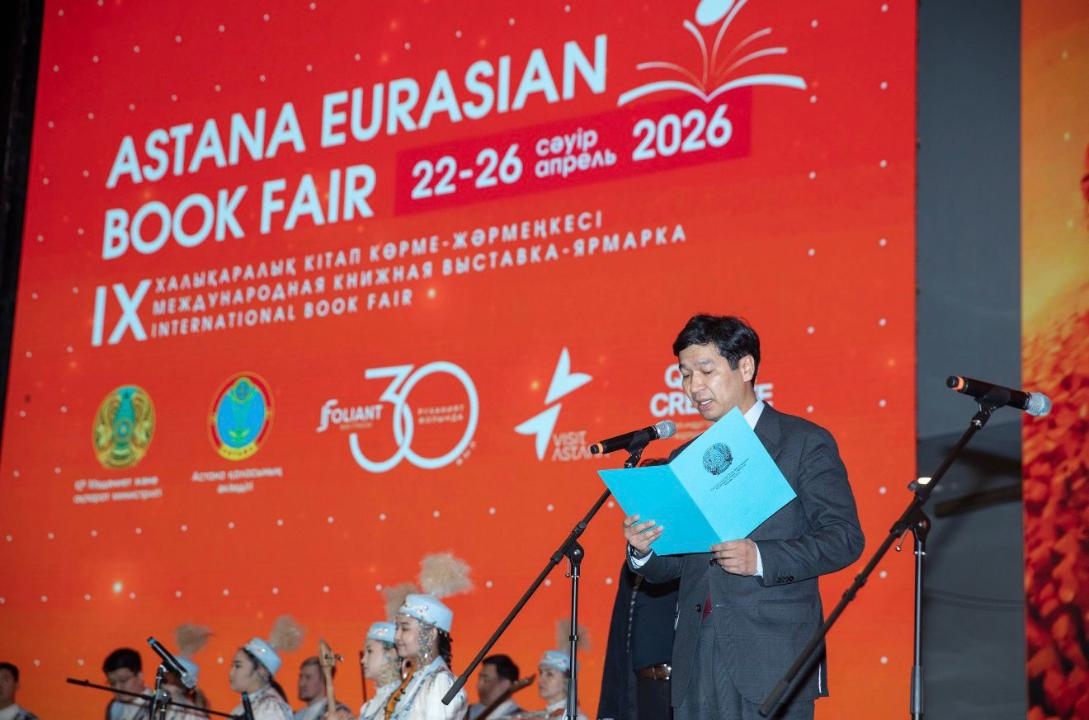
Astana hosts the ninth Astana Eurasian Book Fair to support autors and publishers. Photo credit: Ministry of Culture and Information.
According to Deputy Prime Minister and Minister of Culture and Information Aida Balayeva, Kazakhstan has around 12,000 libraries employing nearly 20,000 specialists.
Libraries are adopting automated systems, artificial intelligence technologies, and digital platforms, she said, providing remote access to collections. The number of users of electronic library resources grew by 30% to 718,000.
“Overall, over the past five years, the total number of online readers has exceeded 4 million, and the total number of electronic book views has reached over 9 million. It is particularly important that interest in reading has been consistently growing in the country,” Balayeva said.
Library visits in Kazakhstan exceeded 55.2 million in 2025, remaining close to the 55.4 million recorded the previous year, according to the Bureau of National Statistics. At the same time, user engagement also increased. The number of library users rose to 6.1 million, while book circulation reached 110.3 million items, up from 85.7 million in 2024.
Growing interest in reading
According to Balayeva, demand for reading materials continues to rise, particularly among younger audiences. Interest in children’s literature increased by 75% over the past year, while demand for Kazakh classics and translated world literature grew by 50%.
“These trends show that the readership in Kazakhstan is becoming broader, more conscious, and more diverse,” she said.
As part of the Reading Nation concept, Kazakhstan is also developing its library infrastructure. New presidential libraries are planned in Astana, Almaty, and Kyzylorda. So far, 36 urban and rural libraries have been modernized, with another 30 scheduled for renovation in 2026.
In Astana, the ninth Astana Eurasian Book Fair takes place on April 22-26, where winners of the Ulttyq Kitap (National Book) competition and the Book of the Year award will be announced.
Kazakhstan also continues to support authors and publishers through state programs. Over the past decade, more than 2,000 book titles have been published with a total circulation exceeding 6 million copies.
