
ASTANA – Kazakhstan has launched construction of the first phase of the Astana Energy Ecopark, a large-scale investment project for municipal solid waste processing and electricity generation, with a total investment of $180 million.
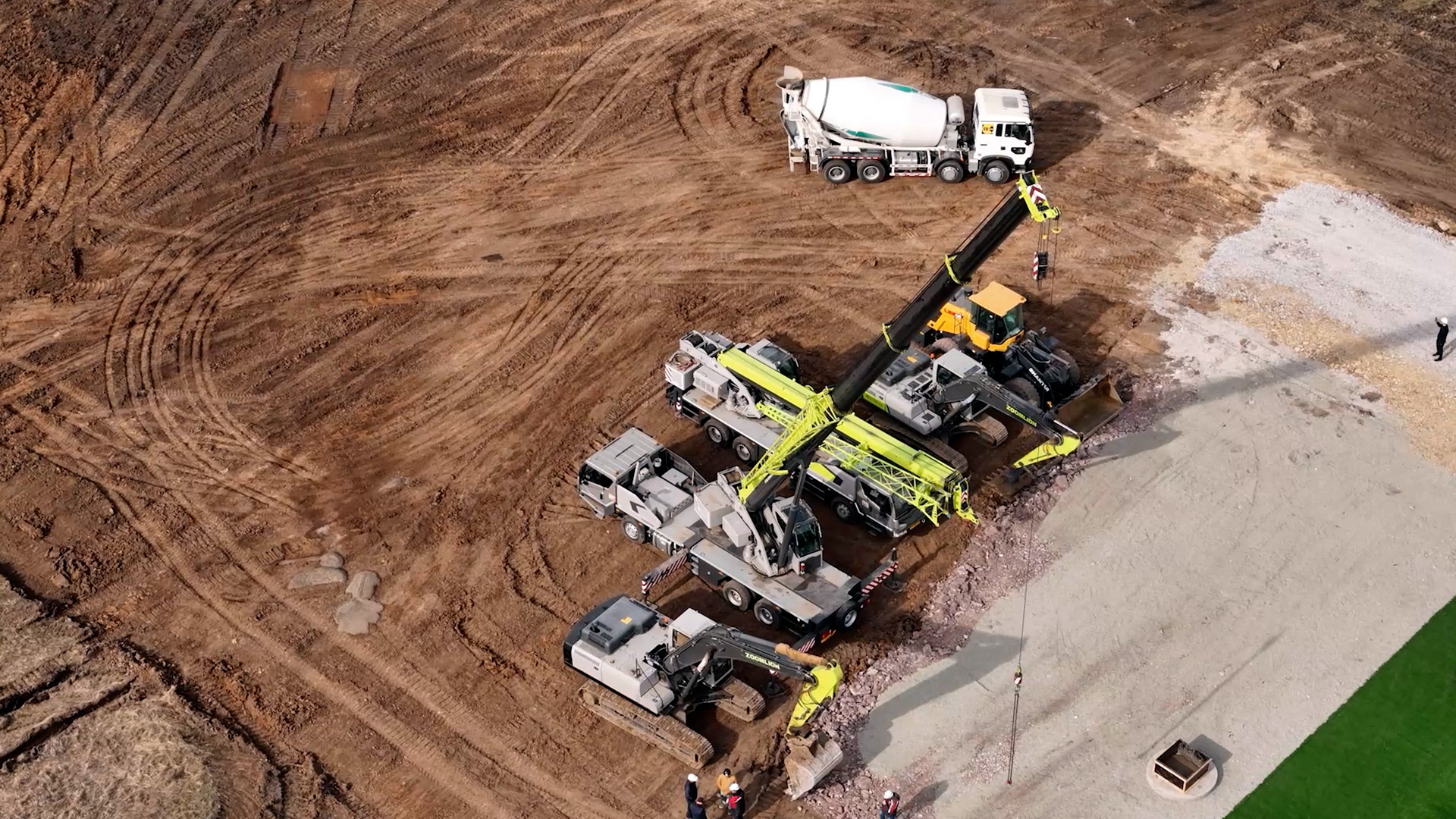
Construction site of the Astana Energy Ecopark waste-to-energy facility in the Kazakh capital. Photo credit: Prime Minister’s press service.
During the first phase, the facility will process at least 1,500 tons of waste per day and generate 50 megawatts (MW) of electricity. The project incorporates a modern multi-stage emissions treatment system, with commissioning scheduled for June 2029. A joint venture, East Hope LLP, has been established in Astana to implement the project.
The project launch was followed by a meeting between Kazakh Prime Minister Olzhas Bektenov and Shenzhen Energy Environment Chairman Wang Gang, who is visiting Astana for the Regional Ecological Summit 2026, reported the Prime Minister’s press service on April 21.
Bektenov expressed gratitude to the Chinese side for its contribution to economic development and readiness to support industrial cooperation, stressing the strategic importance of the initiative.
“The Astana Energy Ecopark project is of strategic importance not only for the capital but also for the country,” he said, instructing relevant authorities to consider scaling similar waste management solutions in other regions.
Wang confirmed the company’s readiness to expand cooperation and highlighted plans for a second phase of the project to achieve full recycling of waste currently stored in landfills. He noted that Shenzhen Energy Environment operates 57 waste-to-energy plants in China with a total capacity of 79,000 tons per day and manages most of Shenzhen’s municipal waste.
“We highly value the opportunity to work in Kazakhstan and are ready to make every effort to ensure the high-quality implementation of this project,” he said, adding that the Ecopark would serve as a model of practical cooperation between Kazakhstan and China.
The officials also discussed prospects for cooperation, including the modernization of coal- and gas-fired power plants and the localization of production in the energy and environmental sectors.
Bektenov and Wang emphasized that the Astana Energy Ecopark represents a key example of investment-driven environmental and technological cooperation between Kazakhstan and China.
