
ALMATY – The Kazakh government has approved a Concept for the Conservation and Sustainable Use of Biological Diversity, a key strategic document defining state policy in nature protection, ecosystem restoration, and the sustainable use of biodiversity, reported the Ministry of Ecology and Natural Resources on March 3.
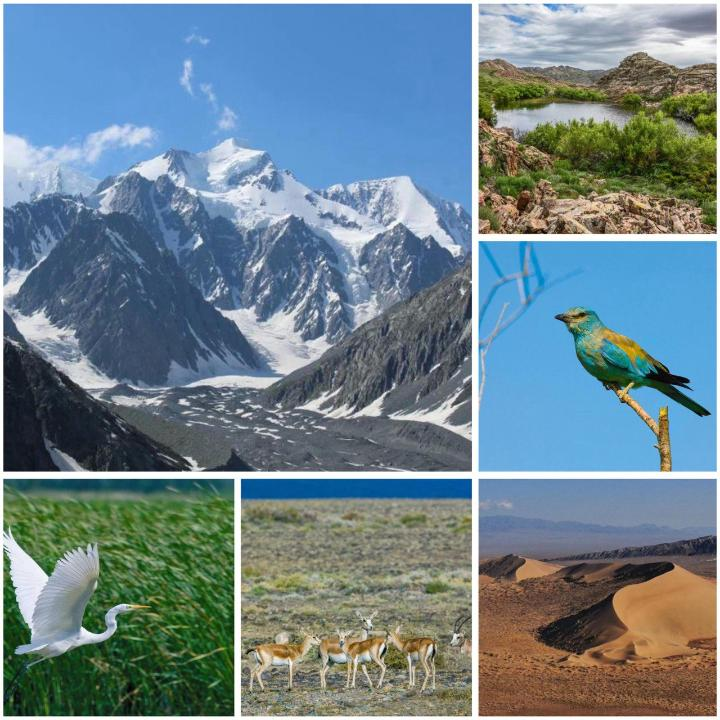
Photo credit: Ministry of Ecology and Natural Resources.
The adoption of the concept supports Kazakhstan’s commitments under the Convention on Biological Diversity, which the country ratified in 1994 and which requires participating states to develop national biodiversity strategies. The document also aligns with the Kunming–Montreal Global Biodiversity Framework, which aims to restore harmony between people and nature by 2050.
Officials describe the concept as the result of years of systematic work and a long-term investment in protecting Kazakhstan’s natural capital.
The strategy was developed through cooperation between the Kazakh Ministry of Ecology and Natural Resources, the scientific community, and international partners, including the United Nations Development Program (UNDP), with financial support from the Global Environment Facility.
The document is intended to guide practical actions to protect biodiversity, including increasing forest coverage, strengthening forest fire protection, ensuring sustainable use of natural resources, and expanding the system of protected natural areas.
Key priorities and targets
The concept outlines eight priority areas and 13 key indicators designed to strengthen biodiversity protection across the country.
One of the central objectives is to develop a unified ecological network and expand protected natural areas. By 2035, Kazakhstan plans to increase the total area of protected territories from 31 million hectares to 33.2 million hectares.
Another major priority is improving forest conservation and promoting sustainable forest management. The strategy aims to increase the country’s forest-covered area from 13.9 million hectares to 14.7 million hectares by preserving existing forests and expanding tree planting programs.
The concept also promotes the more efficient and sustainable use of timber resources, including deeper processing of domestic wood and a fivefold increase in the wood-processing industry’s output by 2035.
Additional priorities focus on improving monitoring systems and conservation measures for wildlife, including endangered species listed in Kazakhstan’s Red Book, and on ensuring the sustainable use of wild animals within regulated hunting systems.
Other areas include strengthening research and monitoring of fish resources and aquatic ecosystems, protecting plant diversity, and addressing the growing problem of pasture degradation through scientific monitoring and sustainable land-use practices.
Strengthening environmental governance
The final priorities focus on building a comprehensive biodiversity data system and improving national monitoring indicators. These measures are intended to create a long-term strategic framework for environmental protection and sustainable resource management.
According to Deputy Resident Representative of the UNDP in Kazakhstan Sukhrob Khojimatov, biodiversity conservation is a shared global responsibility.
“Conserving biodiversity is a collective responsibility that determines the future viability of our planet. The adoption of this document will help strengthen ecosystem resilience and preserve the country’s natural wealth for future generations,” Khojimatov said.
Vera Voronova, head of the Association for the Conservation of Biodiversity of Kazakhstan, noted that the concept was developed through extensive collaboration among government agencies, scientists and civil society organizations.
Experts say the new strategy will help align national priorities with international environmental standards while strengthening cooperation between government institutions, international organizations, NGOs and the private sector.
By establishing clear targets and measurable indicators, the strategy is expected to strengthen Kazakhstan’s role as a regional leader in biodiversity protection in Central Asia and create new opportunities for international environmental partnerships.
