
ALMATY — More than 232,800 stationary sources of pollution were operating nationwide in 2024, releasing 2.27 million tons of harmful substances, a 0.6% increase compared to 2023, according to data released by the Bureau of National Statistics on June 30.
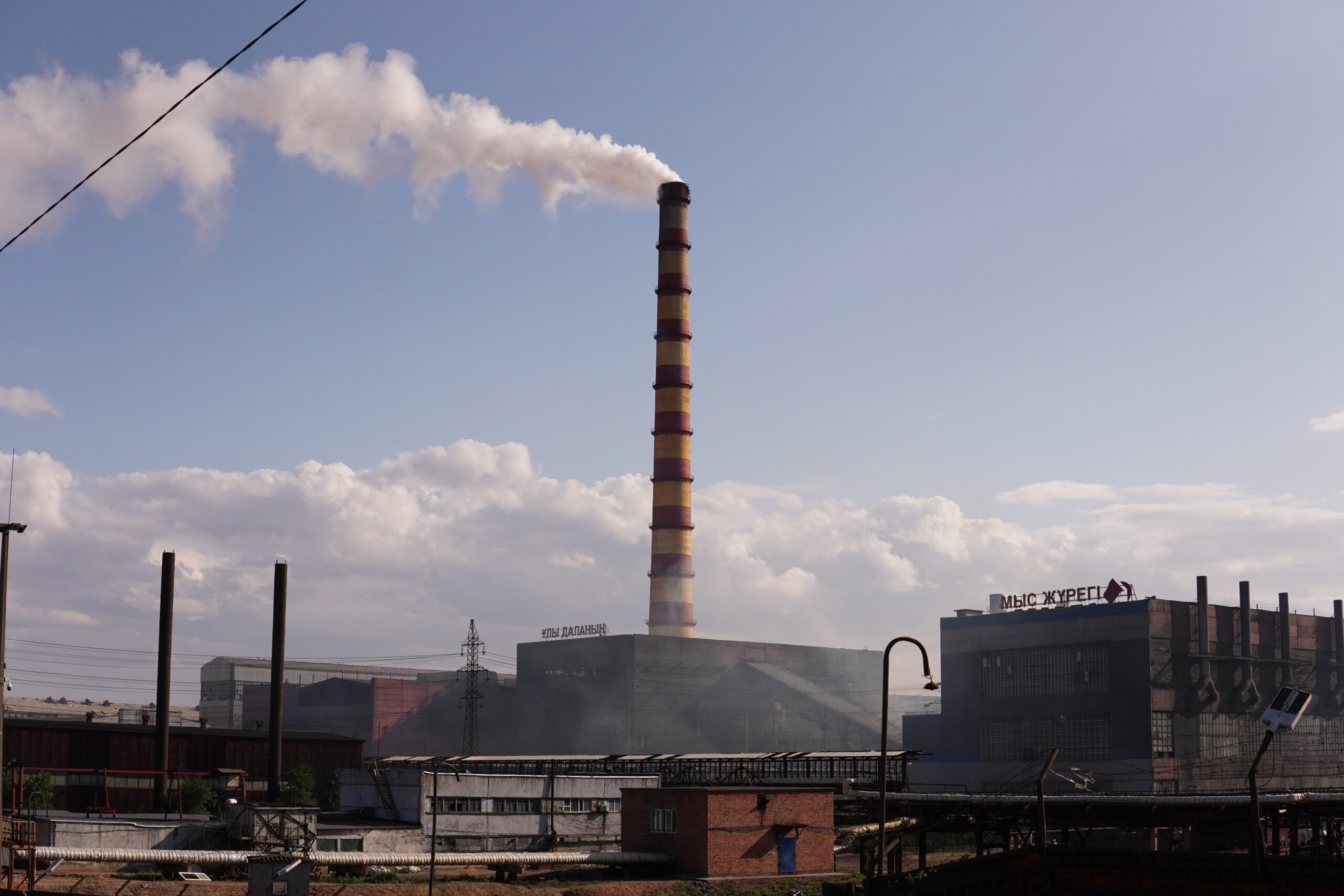
Copper smelting plant in Zhezkazgan. Photo credit: Fatima Kemelova
The largest volumes of emissions were recorded in the Pavlodar and Karagandy Regions, although both continue to show a gradual decline in emissions over time.
Regional emissions trends
According to the National Report on the State of the Environment and the Use of Natural Resources for 2024, emissions in the Pavlodar region totaled 697,800 tons, while Karagandy region accounted for 445,300 tons. Despite remaining the country’s largest emitters, both regions reported year-on-year reductions, reflecting gradual improvements in industrial environmental performance.
Of the total emissions nationwide, 80.4% were gaseous and liquid pollutants, while 19.6% were solid particles. The primary pollutants included sulfur dioxide, nitrogen and carbon oxides, volatile organic compounds, ammonia, and hydrogen sulfide.
The report also recorded emissions of specific hazardous substances, including 221.4 tons of lead and its compounds, 86 tons of manganese compounds, 110 tons of copper oxide, 400 tons of sulfuric acid, 43 tons of chlorine, and 725 kilograms of mercury. Authorities noted that emissions of these substances did not exceed established permissible limits.
Air quality monitoring across the country
Air quality monitoring was conducted by Kazhydromet at 70 localities across 171 observation posts.
Low pollution levels were observed in cities such as Atbasar, Shchuchinsk, Kokshetau, and Uralsk, as well as in several settlements and at the Burabai background monitoring station.
High and very high pollution levels persisted in major urban and industrial centers, including Almaty, Astana, Karagandy, Temirtau, Ust-Kamenogorsk, Shymkent, Aktobe, and several other settlements.
In total, 447 high-pollution and 26 extremely high-pollution cases were recorded nationwide in 2024.
Urban air quality challenges
Nitrogen dioxide, carbon monoxide, hydrogen sulfide, ozone, and phenol remain the dominant pollutants in urban air. Long-term elevated pollution levels persist in Astana, Almaty, Karagandy, Aktobe, Temirtau, and Ust-Kamenogorsk.
Additional air quality studies conducted by the Committee of Sanitary and Epidemiological Control focused on residential areas near industrial facilities and major highways. Results showed that industrial emissions contained up to 116 pollutants, including up to 40 substances classified as high-hazard, particularly in regions with dense industrial activity.
Limited monitoring coverage
Nationwide, only 57.8% of harmful substances present in atmospheric emissions are currently monitored, including 52.5% of Class I–II hazardous substances. The lowest monitoring coverage was reported in East Kazakhstan and Pavlodar regions.
More than 649,000 air samples were analyzed in 2024, with 1.6% exceeding maximum permissible concentration levels. Exceedances were highest in Almaty (7.4%), Astana (3.4%), and settlements in the Abai Region (2.1%).
As the Ministry of Ecology and Natural Resources reported, a Regional Environmental Summit is scheduled to take place in Astana on April 22–24, bringing together Central Asian countries to discuss shared environmental challenges and coordinated solutions.
