
ALMATY – Zhaksylyk Ushkempirov entered Kazakhstan’s history in 1980 as the first ethnic Kazakh to win an Olympic gold medal. Born in a small village in the Zhambyl Region, he went on to become a world champion in Greco-Roman wrestling and one of the country’s most admired sports figures, known not only for his achievements on the mat, but also for his contribution to rural development and youth sports.
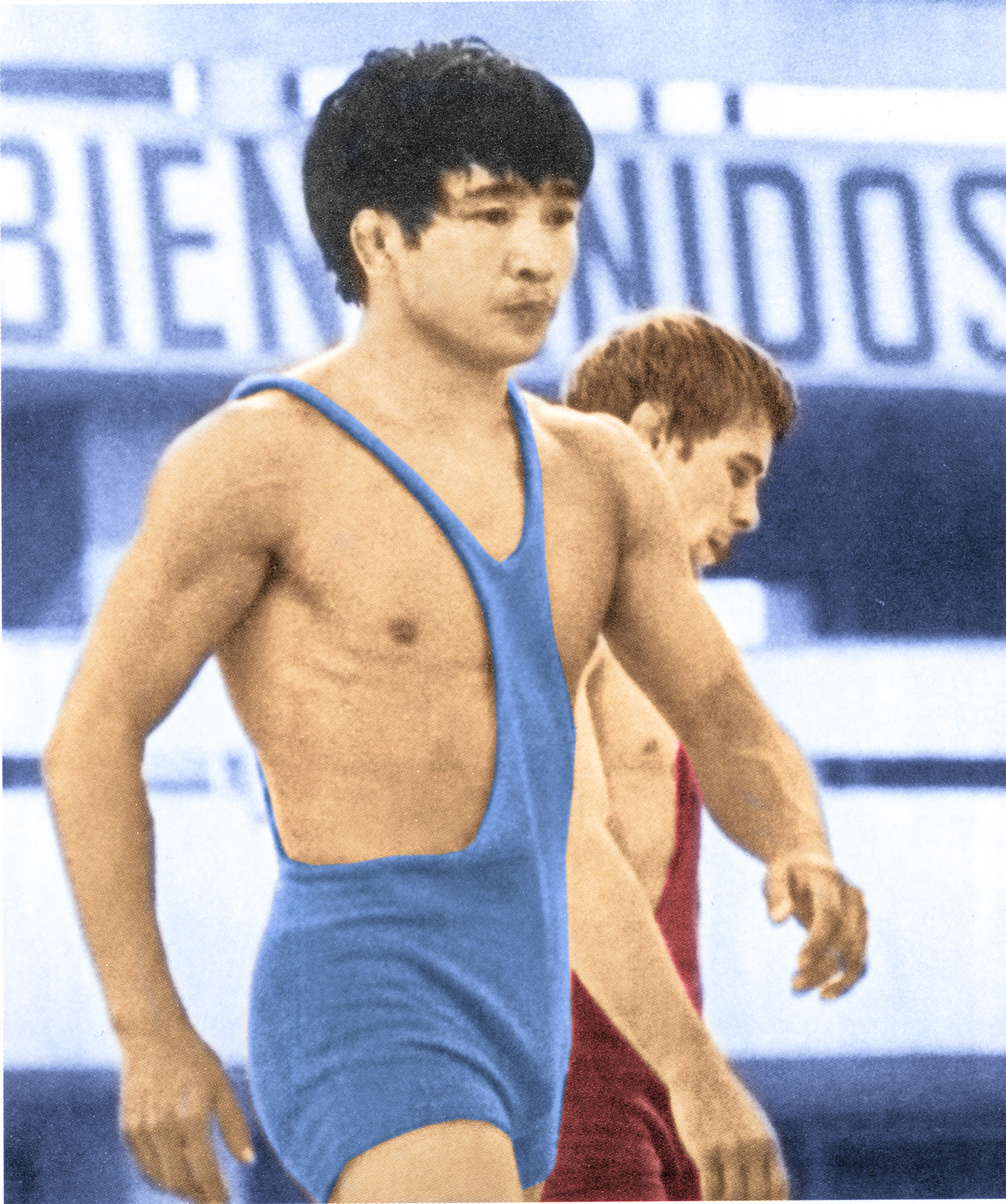
Zhaksylyk Ushkempirov was born on May 6, 1951. Photo credit: jekpejek.kz.
Born on May 6, 1951, in the village of Chapayev in what is now the Zhambyl Region, Ushkempirov rose from humble beginnings to become an Olympic champion, world champion, Hero of Labor of Kazakhstan and a national symbol of perseverance.
A chance encounter with wrestling
Ushkempirov’s path into professional sport began almost accidentally. As a student at the Semipalatinsk Zooveterinary Institute, he struggled with skiing classes, which were required to pass the academic session. Having never stood on skis before, he faced possible expulsion. A physical education instructor offered him an alternative: win a freestyle wrestling match against another student and receive the required credit.
“Sometimes even good people get lucky,” Ushkempirov later recalled in the book ‘Will of the Batyr’ by sports journalist Yan Dymov.
The improvised match changed his life. Although he had only limited experience in the traditional Kazakh wrestling style Kazakhsha Kures, coaches noticed his determination and physical endurance.
Within two years, he won the championship of the Kazakh Soviet Socialist Republic in freestyle wrestling. Feeling unfairly overlooked for the Soviet championship, he switched to Greco-Roman wrestling under coach Roman Ilmatov – a decision that ultimately shaped his career.
Years of patience and persistence
Ushkempirov entered the Soviet national team in 1973 after becoming a bronze medalist at the Union of Soviet Socialist Republics (USSR) championship. Yet success did not come quickly.
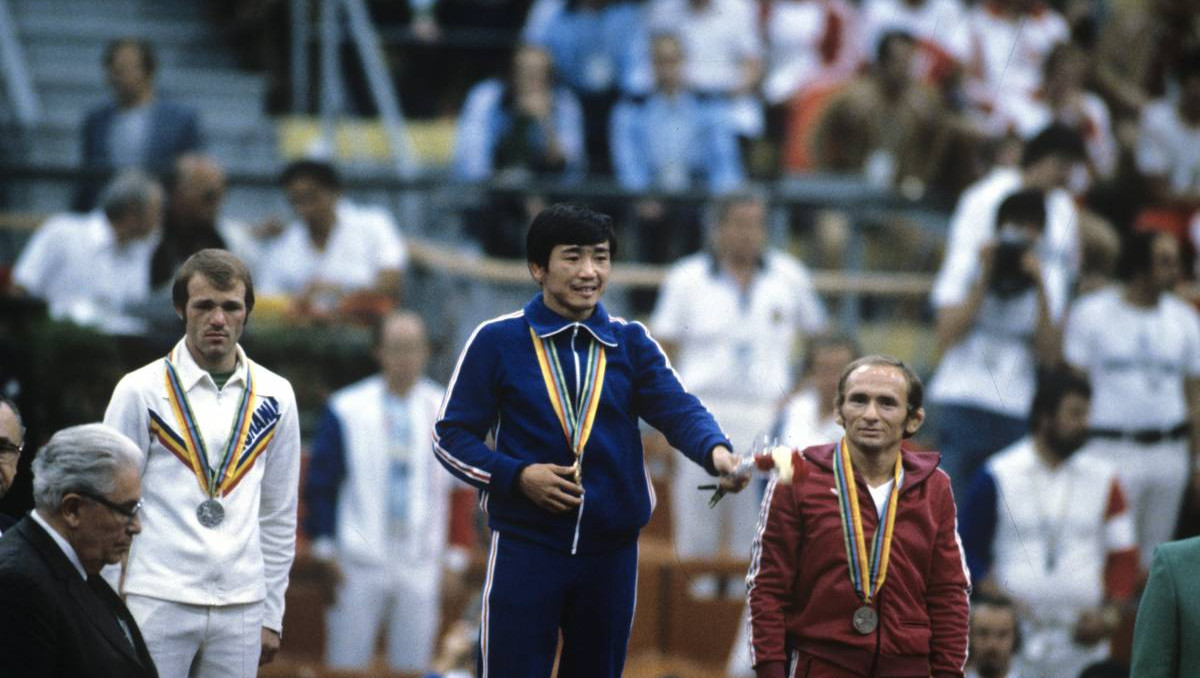
Photo credit: jekpejek.kz.
For years, he remained a backup athlete and sparring partner for leading Soviet wrestlers, enduring setbacks and selection disputes before finally earning his place at the 1980 Moscow Olympics at nearly 30 years old.
“Great sport placed a heavy burden on him: permanent substitute, constant sparring partner for the top wrestlers. But he endured and kept working,” Dymov wrote in the book.
That patience would eventually define his legacy.
Olympic gold in Moscow
At the 1980 Summer Olympics in Moscow, Ushkempirov competed in the 48-kilogram Greco-Roman wrestling category. The road to gold was psychologically difficult. Shortly before the final, he learned he would face Romanian Olympic champion Constantin Alexandru.
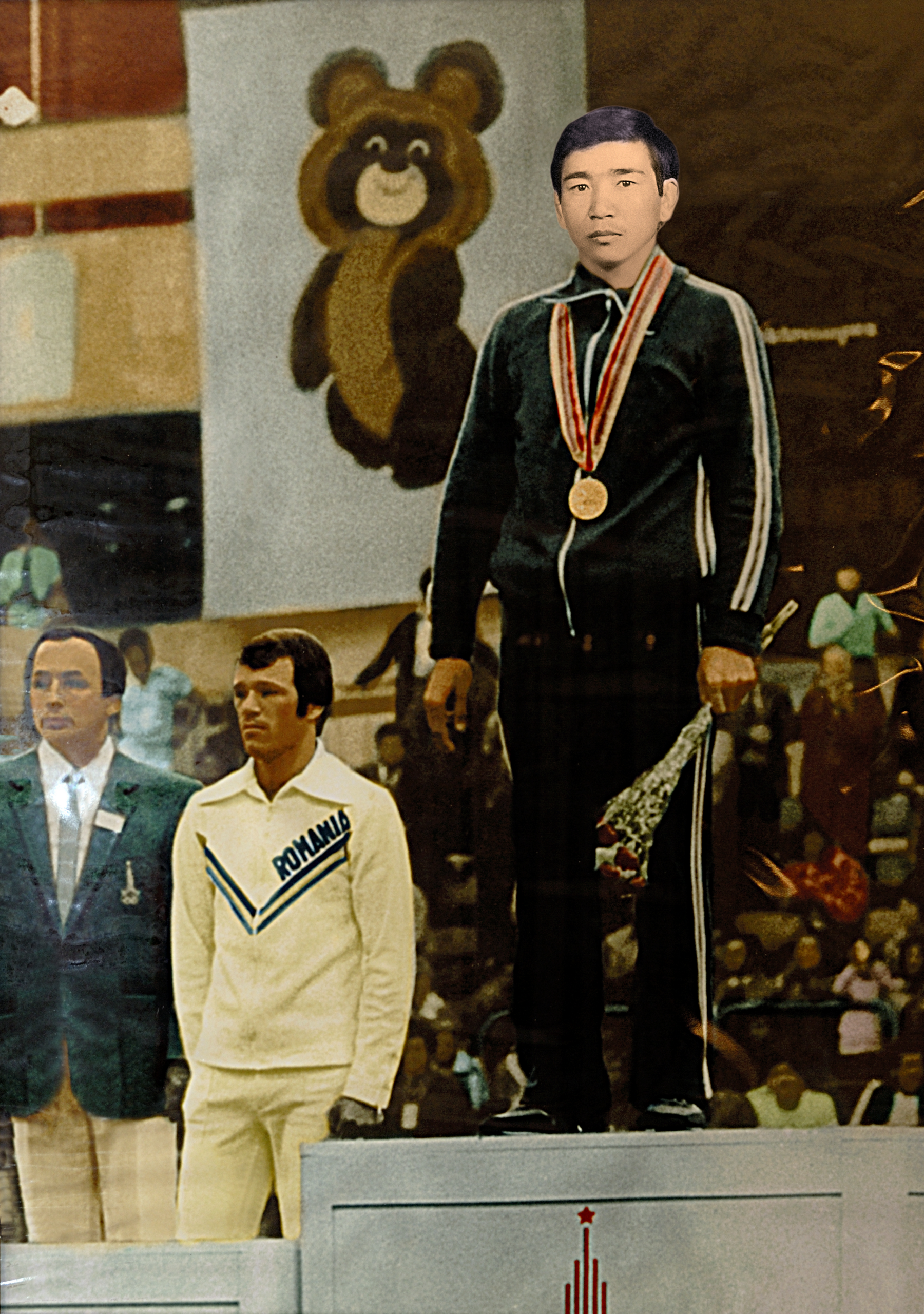
Ushkempirov secured Olympic gold in Moscow in 1980, becoming the first ethnic Kazakh Olympic champion in wrestling. Photo credit: jekpejek.kz.
According to accounts from teammates, the news left him momentarily paralyzed with fear. Then, in a dramatic episode often retold in Kazakh sports history, team psychologist Nikolai Volkov slapped him repeatedly moments before the match in an attempt to shock him back into focus.
The tactic worked. Ushkempirov regained composure and went on to defeat Alexandru 6–2, securing Olympic gold, becoming the first ethnic Kazakh Olympic champion in wrestling.
His performance in Moscow capped a remarkable run. His Olympic triumph was followed by more international success. In 1981, he became world champion, and in 1982 he won silver at the World Cup. During his career, he also became a two-time USSR champion and winner of the Spartakiad of the Peoples of the USSR. In addition to this, he also won multiple international tournaments, including the prestigious Ivan Poddubny Memorial.
A champion respected beyond sport
Teammates often remembered Ushkempirov not only for his athletic achievements but for his character.
Before the Moscow Olympics, members of the Soviet wrestling team participated in a private exercise called “Who would you fly into space with?” Wrestlers anonymously voted for teammates they trusted most. In nine out of ten ballots, Ushkempirov’s name appeared first.
He was known for his calm temperament, humility and ability to maintain strong relationships with everyone around him.
“My grandmother used to say that difficult times bring out the worst in people,” he once recalled. “But I believe every person has good sides. You should not rush to judge people.”
From sports legend to philanthropist
In 1982, Ushkempirov decided to retire from professional wrestling despite still being at the peak of his career. By that point, he had already won Olympic gold, the world championship and the World Cup, and specialists believed he could have competed at the highest level for several more years.
After retirement, he tried coaching and later worked as a sports official, but eventually realized those roles were not for him. He then remembered his degree in zoo engineering and turned to farming.
“In the early 1990s, I started having heart problems,” Ushkempirov once explained. “Doctors advised me to leave the city and move to the countryside for fresh air.”
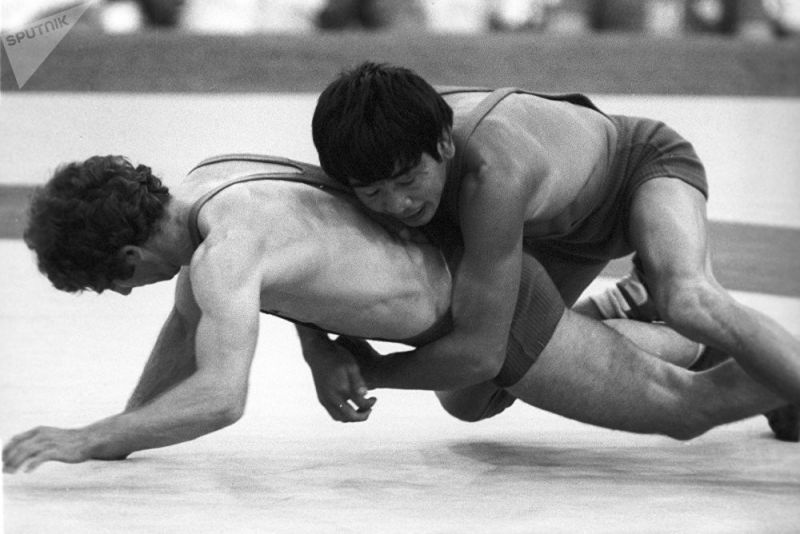
Photo credit: jekpejek.kz.
He settled in the rural area of Bakanas, where he began raising goats, camels and cattle. Over time, his farming business expanded to nearly 5,000 hectares. In 2007, he moved to the struggling village of Mynbayev in the Almaty Region and launched what would become one of his most important life projects.
“I wanted to help people and improve their quality of life,” he said.
What followed transformed the village. Using his own funds, Ushkempirov restored buildings, repaired cattle farms, brought electricity to the settlement, purchased new equipment and created jobs. By 2010, the Zhaksylyk farming enterprise had become one of the largest agricultural operations in the Almaty Region.
At the same time, he financed the construction of a sports complex, dormitory and kindergarten for local residents.
“If every businessman adopted one village and helped develop it, all our villages would flourish,” he once said during a public address attended by former President Nursultan Nazarbayev.
Recognition and national legacy
Over the decades, Ushkempirov received numerous honors, including the title Hero of Labor of Kazakhstan in 2017, the Order of Barys, and induction into the FILA Wrestling Hall of Fame in 2014.
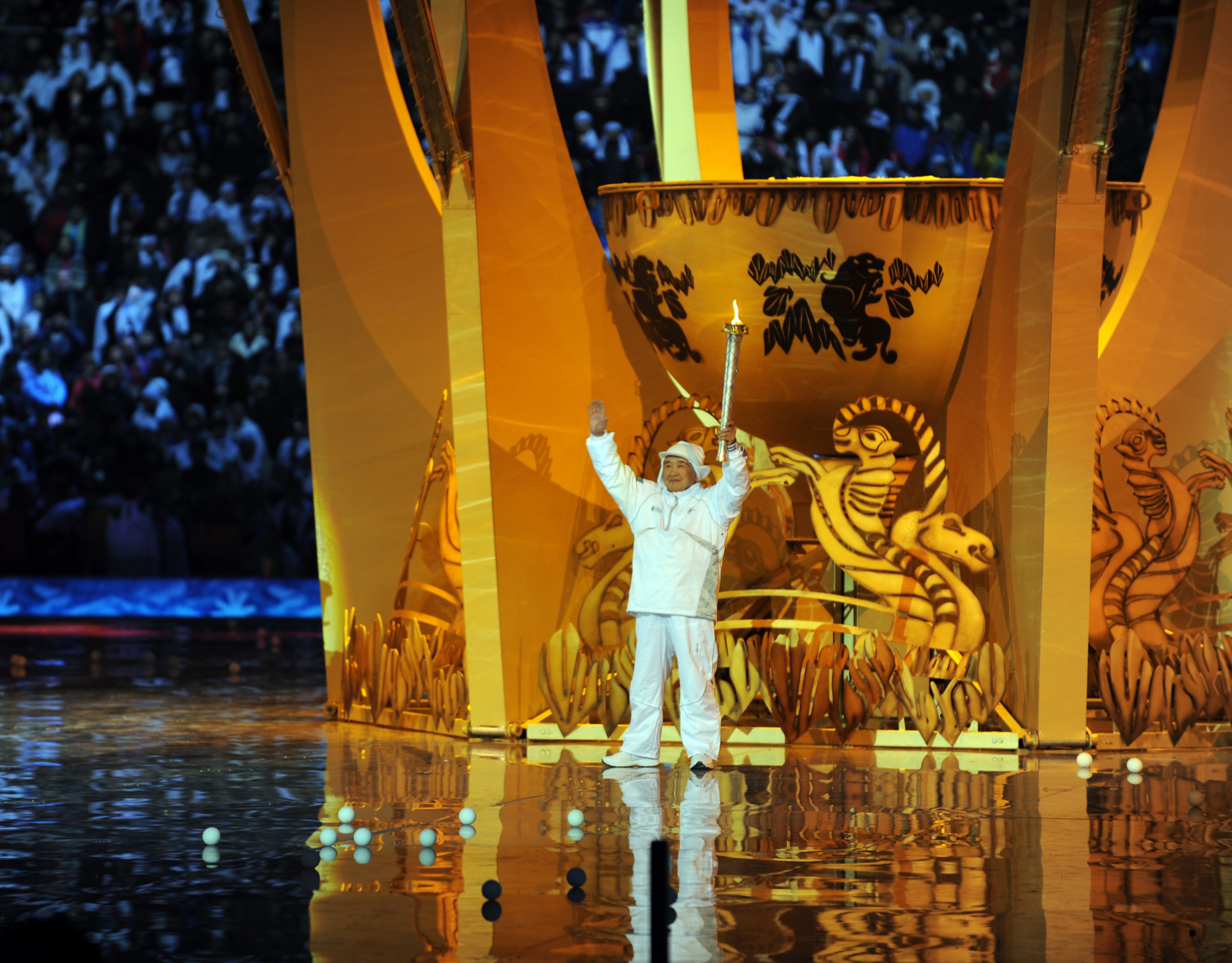
Ushkempirov takes part in the torch-lighting ceremony of the 2011 Asian Winter Games in Kazakhstan. Photo credit: jekpejek.kz.
A feature film about his life, “Zhaksylyk”, was released in 2019, introducing his story to a younger generation.
Ushkempirov died on Aug. 2, 2020, at the age of 69 from viral pneumonia. Following his death, President Kassym-Jomart Tokayev described him as a “legendary athlete and public figure.”
Later that year, the Martial Arts Palace in Astana was named after him, and a monument honoring the champion was unveiled there in 2021.
Today, Ushkempirov remains one of the most recognizable figures in Kazakh sports history not only as an Olympic and world champion, but as a symbol of resilience, patience and service to society.
