
ALMATY — Kazakhstan has the potential to become a regional model for inclusive and sustainable development, according to a United Nations expert, who praised the country’s economic and digital progress while calling for faster environmental reforms and broader civic participation.
Following an official visit to Kazakhstan, UN Special Rapporteur on the right to development Surya Deva said the country has made notable progress in implementing the UN’s 2030 Agenda for Sustainable Development, particularly in economic growth, digital transformation, infrastructure and innovation.
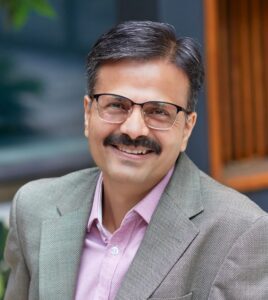
Surya Deva. Photo credit: ohchr.org.
“Being the largest economy in Central Asia with significant progress in digital transformation, Kazakhstan is well-positioned to lead in practising inclusive, sustainable and participatory development,” Deva said in a statement released on May 15 at the conclusion of his visit.
The expert also praised Kazakhstan’s social spending policies at a time of growing geopolitical tensions and rising military expenditures globally.
“At a time when many countries are spending excessively on militarisation, I applaud Kazakhstan for spending a substantial part of the budget on social issues to achieve a fair distribution of the benefits of development and, in turn, reduce inequalities,” he said.
Deva highlighted Kazakhstan’s achievements in building resilient infrastructure, promoting innovation, developing cleaner cities and advancing digitalization. However, he stressed that further efforts are needed to ensure that development benefits are shared more equally across the country.
“Implementing the principle of ‘leave no one behind’ requires the government to pay greater attention to the development of rural and remote areas to improve the enjoyment of equal and quality access to public services,” he said.
The UN expert also called on Kazakhstan to accelerate reforms aimed at strengthening social inclusion and protecting vulnerable groups. He urged authorities to adopt a comprehensive anti-discrimination law and intensify efforts to combat gender-based violence.
At the same time, Deva expressed concern about what he described as limited civic space, saying broader participation in decision-making remains essential for sustainable development.
“I would encourage the government to provide more space to voices that are not aligned with its positions,” he said.
According to the rapporteur, groups in vulnerable situations, including women, children, migrants, persons with disabilities and residents of rural areas, continue to face additional barriers to participation in public life and policy discussions.
Environmental sustainability and climate resilience were also among the key topics raised during the visit. Deva noted Kazakhstan’s vulnerability to water scarcity and environmental pollution and called for stronger cooperation between the government, businesses, civil society organizations and international partners to support a just transition toward a green economy.
“The government should show more ambition to embrace renewable energy faster,” he said. “It should also harness the private sector’s potential to contribute to achieving carbon neutrality by internalising respect for human rights and the environment as part of doing business.”
Deva said he looks forward to continuing cooperation with Kazakhstan on advancing the right to development both domestically and internationally. The special rapporteur’s final report on Kazakhstan will be presented to the UN Human Rights Council in September 2027.
