
ALMATY – As part of the international symposium on Golden Horde, held in Astana on May 19–20 under the auspices of UNESCO, Kazakhstan advanced new UNESCO bids for ancient Silk Road cities and sacred underground mosques.
At a meeting with acting UNESCO Assistant Director-General for Culture and Director of the World Heritage Centre Lazare Eloundou Assomo, Kazakhstan’s State Counselor Erlan Karin discussed efforts to expand Kazakhstan’s representation on UNESCO heritage lists, reported the Akorda.
Two major nominations involving Kazakhstan are expected to be reviewed during the 47th session of the UNESCO World Heritage Committee in Busan, South Korea, scheduled for July 19–29.
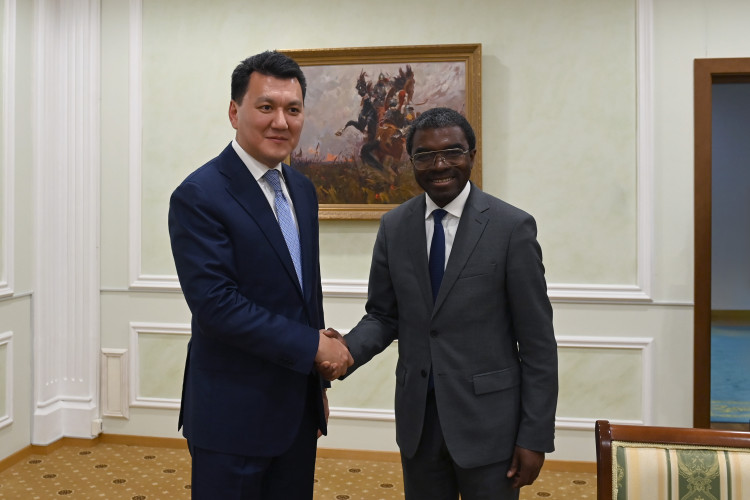
From L to R: Erlan Karin and Lazare Eloundou Assomo. Photo credit: Akorda.
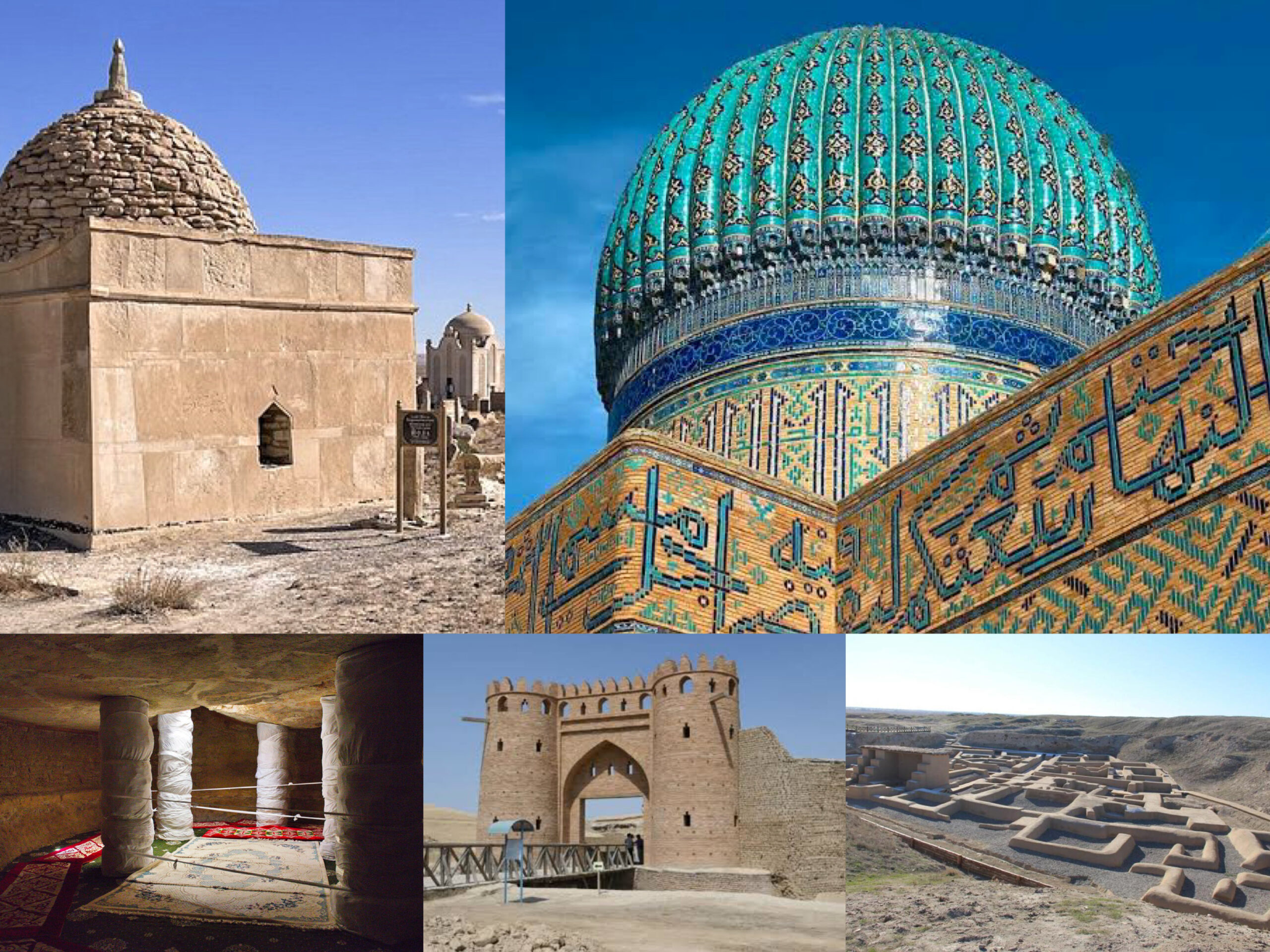
The first is Kazakhstan’s national nomination of the Mangystau underground mosques, including the sacred sites of Beket Ata, Karaman Ata, Shopan Ata, Shakpak Ata and Sultan Epe Underground Mosques.
The second is a multinational Silk Road nomination jointly prepared with the Kyrgyz Republic, Tajikistan and Uzbekistan. Kazakhstan’s contribution to that nomination includes several major medieval settlements and cultural centers, among them Otyrar, Sauran, Turkistan, Syganak, Zhankent and the archaeological complex of Zhetyasar.
Golden Horde legacy gains international attention
Kazakhstan’s Foreign Minister Yermek Kosherbayev also met with Assomo on the sidelines of the symposium and emphasized the importance of the Golden Horde in the historical formation of the Kazakh people and several other nations across Central Asia and Eastern Europe.
Kosherbayev thanked UNESCO for supporting the symposium and described the organization as a key platform for international humanitarian and cultural cooperation.
Assomo, in turn, praised Kazakhstan’s work in preserving and promoting cultural heritage, noting the country’s current membership in the UNESCO World Heritage Committee and expressing readiness to continue cooperation in protecting cultural, natural and intangible heritage sites.
According to symposium organizers, the event concluded with the adoption of a joint resolution reflecting a consolidated international academic position on the study and promotion of Golden Horde heritage.
The document expressed support for Kazakhstan’s efforts to expand international academic cooperation related to the history of the Golden Horde and the civilization of the Great Steppe, while also recognizing UNESCO’s contribution to advancing scientific and educational dialogue on the subject.
