
ASTANA – With just days remaining until the Regional Ecological Summit (RES) 2026, set for April 22-24, around 1,500 delegates from governments, international organizations, business, and academia are expected to gather to discuss regional solutions to climate and environmental challenges in partnership with the United Nations.
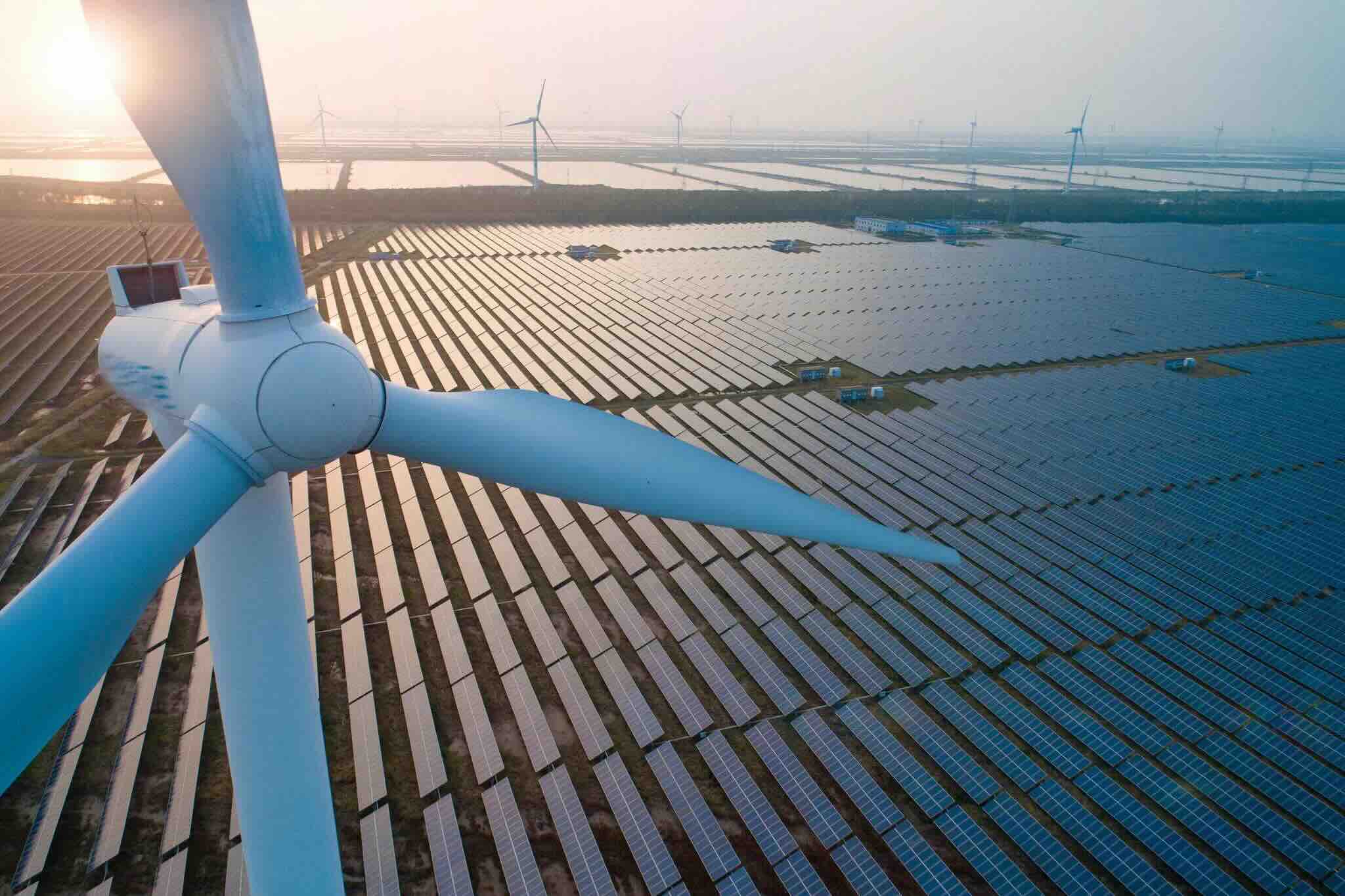
Photo credit: ey.com
One of the key panel sessions, organized by the Kazakh Ministry of Energy, will focus on the energy transition in Central Asia. A central theme will be the gradual shift toward renewable energy sources as a key instrument for ensuring energy security and achieving sustainable development on the path to carbon neutrality.
Kazakhstan’s renewable energy sector is already demonstrating steady progress. Currently, 162 facilities with a total capacity of 3.5 gigawatts (GW) are in operation. By the end of 2025, the share of green energy in the national energy mix is expected to reach 7%. Over the past year, nine new plants with a combined capacity of 503 megawatts (MW) were added, while electricity generation from renewable sources reached 8.6 billion kilowatt-hour (kWh) – 19.4% above the planned level, reported the ministry’s press service on April 7.
This year, the ministry aims to increase renewable energy production to 8.8 billion kilowatt-hour (kWh). Plans include the launch of 10 new projects with a total capacity of 245 megawatts (MW), comprising four wind, five solar, and one hydroelectric power plant. Key policy steps include adopting the law on Alternative Energy Sources and updating the Hydrogen Energy Development Concept through 2040. Auctions will continue to serve as a primary mechanism for attracting investment, with 6.7 gigawatts (GW) of capacity planned for 2024-2027.
Kazakhstan is also strengthening international partnerships to implement large-scale renewable energy projects with integrated energy storage systems. In the Zhambyl Region, TotalEnergies has begun construction of a one gigawatt (GW) wind power plant, while a similar one gigawatt (GW) project is underway in the Pavlodar Region in cooperation with State Power Investment Corporation. In addition, Masdar is advancing several large-scale initiatives in the country.
Looking ahead, Kazakhstan plans to commission more than eight gigawatt (GW) of renewable energy capacity by 2035, contributing to the sustainability of the national energy system and the diversification of its energy mix.
