
ALMATY – Kazakhstan plans to increase trade with Afghanistan to $3 billion in the coming years, up from the current level of around $500 million annually, as it expands cooperation in logistics and infrastructure, said Special Representative of the Kazakh President for Afghanistan – Ambassador-at-Large Yerkin Tukumov in an interview with Jibek Joly radio.
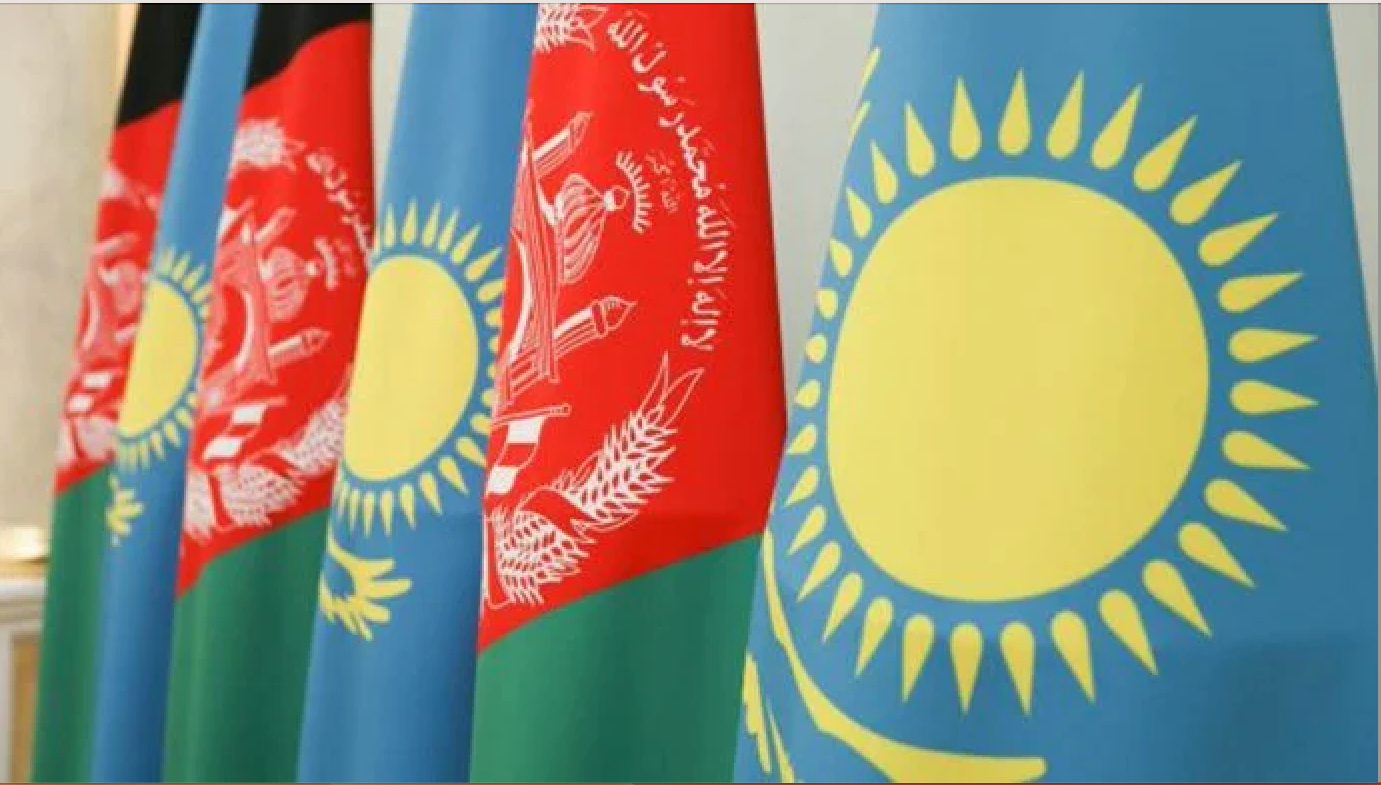
Photo credit: jamestown.org.
According to Tukumov, trade between Kazakhstan and Afghanistan has already reached a stable level but remains heavily skewed toward Kazakh exports.
Kazakhstan primarily supplies grain, flour, and processed agricultural products, while Afghan exports remain limited, consisting mainly of agricultural goods and carpets. This imbalance, he noted, highlights significant potential for diversifying imports.
Infrastructure as the key constraint
Despite strong growth ambitions, limited transport connectivity remains the main obstacle to expanding trade.
“It is impossible to achieve these ambitious goals without developing transit and logistics routes,” Tukumov said.
Among the key projects is the development of the Turgundi–Herat railway, along with related infrastructure, including digital connectivity. These initiatives are expected to reduce delivery times and lower transport costs, which are critical factors for scaling up trade.
Afghanistan as a transit gateway
According to Tukumov, Kazakhstan increasingly views Afghanistan not only as a bilateral trading partner but also as a strategic transit corridor.
“An even more important direction is transit and access to seaports. This will allow us to export our goods to global markets,” Tukumov said.
The development of southern routes through Afghanistan could open access to markets in South Asia, the Middle East, and beyond, strengthening Kazakhstan’s role as a transit hub in Eurasia.
Alongside infrastructure projects, he said, Kazakhstan is actively promoting direct business engagement.
Business forums between companies from both countries have led to the signing of major contracts, while support infrastructure is also being developed within Afghanistan. A trade house has been opened in Herat to facilitate commercial activity.
While current trade volumes provide a foundation, officials see them as only the starting point. Reaching the $3 billion target will depend on coordinated progress in logistics, tariff policies, product diversification, and broader economic cooperation.
