
There is a word in Kazakhstan—Asar. It describes a simple but powerful idea: when someone is in need, the community comes together to help. No contracts, no formalities, just people showing up for one another.
That spirit has not disappeared. If anything, it has strengthened. Over the past few years, Kazakhstan has made a deliberate effort to elevate volunteerism—from declaring 2020 the Year of Volunteers, to championing 2024 as the Year of the Volunteer Movement in the Commonwealth of Independent States (CIS) and creating momentum toward 2026 as the International Year of Volunteers for Sustainable Development.
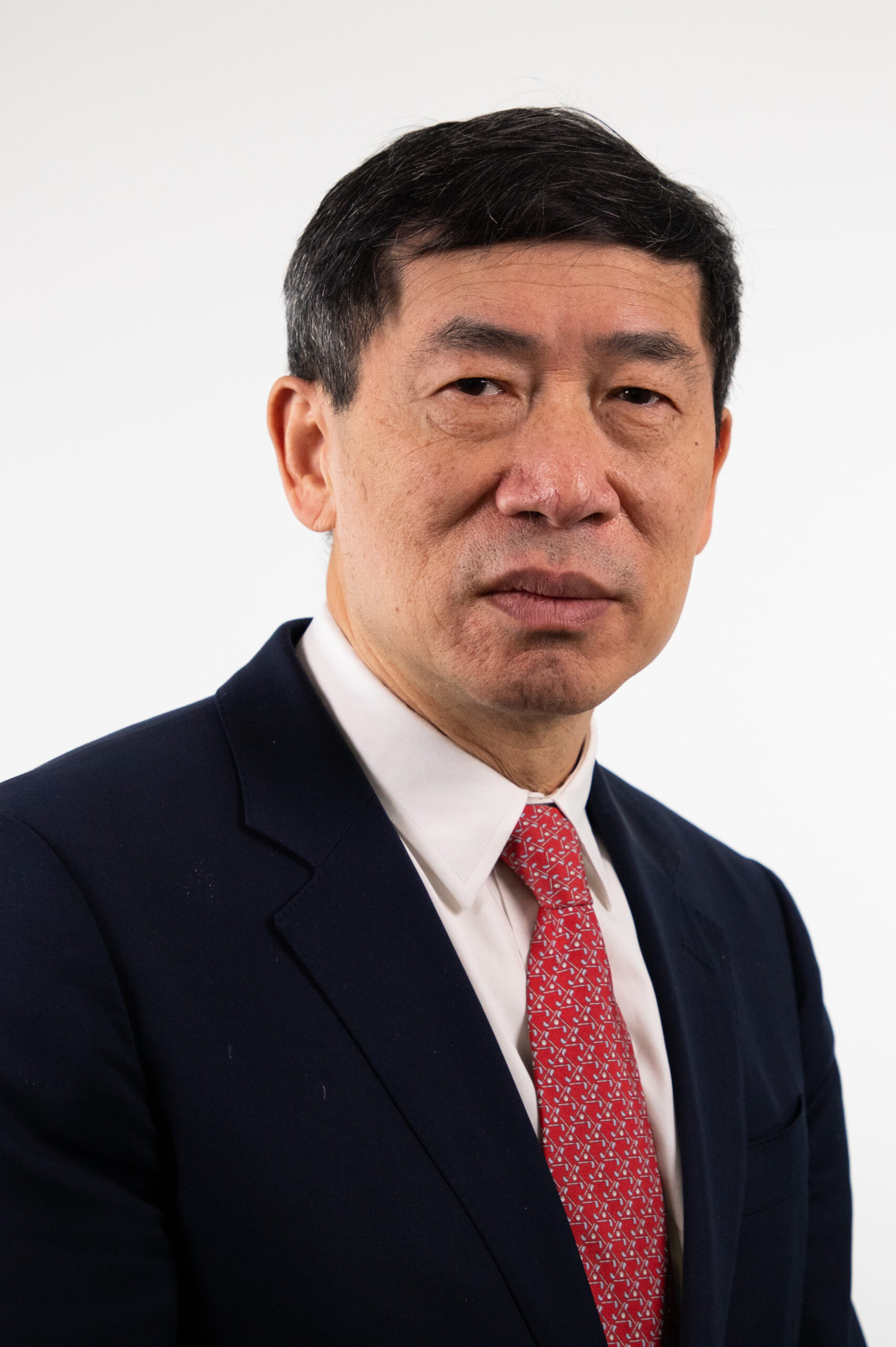
Haoliang Xu.
What stands out is not just the ambition but the way it has been implemented. In Kazakhstan, volunteering is not treated as a side activity. It is embedded in how things get done—in disaster response, education, environmental protection, healthcare, or search and rescue—as ministries, local authorities, and volunteer networks increasingly work side-by-side.
With its new Constitution encouraging volunteerism in Article 31, Kazakhstan is also making a broader point: volunteering matters socially and institutionally. For countries looking to strengthen civic engagement, this offers a compelling model.
This evolution is not happening in isolation. Around the world, volunteering is being rediscovered as something deeply practical—a flexible way to respond to complex and fast-moving challenges.
Traditional forms of engagement remain essential. Community cleanups and tree planting—these continue to anchor environmental action. But new models are emerging alongside them. Online volunteering is expanding rapidly, allowing people to contribute skills, share knowledge, and collaborate across borders.
As we have learned from the State of Volunteering in Central Asia Review, led by United Nations Volunteers (UNV) in 2024, the region reflects this global shift while staying rooted in its own traditions of mutual support. Governments, civil society, business, and communities are working together more systematically, and volunteerism is gaining recognition from environmental action to education, social services, and emergency response.
And yet, there is a paradox.
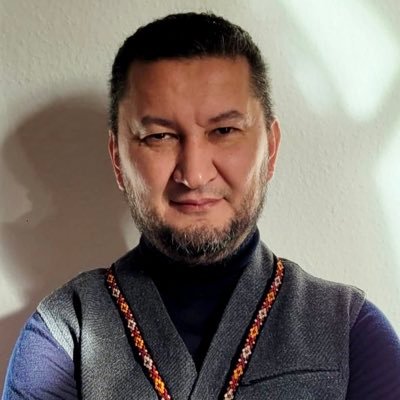
Toily Kurbanov.
Volunteers are everywhere, doing essential work—reducing risks, protecting ecosystems, supporting services—but their contributions often remain invisible in national systems. They are felt but not always counted. Appreciated, but not always supported.
This is the key message emerging from the State of the World’s Volunteerism Report 2026: recognizing volunteerism is not about counting hours. It is about understanding how volunteers strengthen social cohesion, improve resilience, and help countries develop.
For Central Asia, this is particularly important. While the region has a strong foundation of solidarity, to fully harness it, that tradition now needs to be matched with recognition, evidence, and investment. Volunteers need training. Systems need coordination. Contributions need to be reflected in policies and plans.
Volunteering should not be about goodwill alone. It can become part of how countries nurture capacity.
This is also where the role of the United Nations (UN) is evolving.
Through the United Nations Development Programme (UNDP), we work with governments to integrate volunteer action into national development, climate, and environmental strategies—so that volunteers do more than fill gaps; they strengthen public systems. Through UNV, we mobilize volunteers—skilled, diverse, and increasingly digital—matching needs and capabilities, widening access, and ensuring that contributions are effective.
In Central Asia, similar approaches are already taking hold at both national and regional levels. Around the Aral Sea, for example, volunteers — including UN Volunteers — are contributing to environmental restoration and strengtheningcommunity resilience.
But this cannot stop there.
Environmental risks do not respect borders—and neither should the responses. This is not about one-off campaigns. When volunteer efforts are properly supported and aligned with policy, they can build real, lasting capacity.
That is why 2026 matters.
The International Year of Volunteers for Sustainable Development should not be another awareness campaign. It canbe a turning point—a moment to invest in regional and national systems that make volunteerism more effective, more inclusive, and more visible in Central Asia’s development.
Ultimately, the story of volunteering in this region is not new.What is new is that moments like the Regional Ecological Summit in Astana create a new opportunity to turn tradition into something even more powerful: a structured, recognized, and resourced force for sustainable development.
That is an opportunity we cannot afford to miss.
The authors are Haoliang Xu, the Associate Administrator of the United Nations Development Programme, and Toily Kurbanov, the Executive Coordinator of United Nations Volunteers.
