
ASTANA – Astana hosted an international scientific conference on March 5, commemorating the 160th birthday of Alikhan Bokeikhan, one of Kazakhstan’s most renowned early 20th-century statesmen and intellectuals.
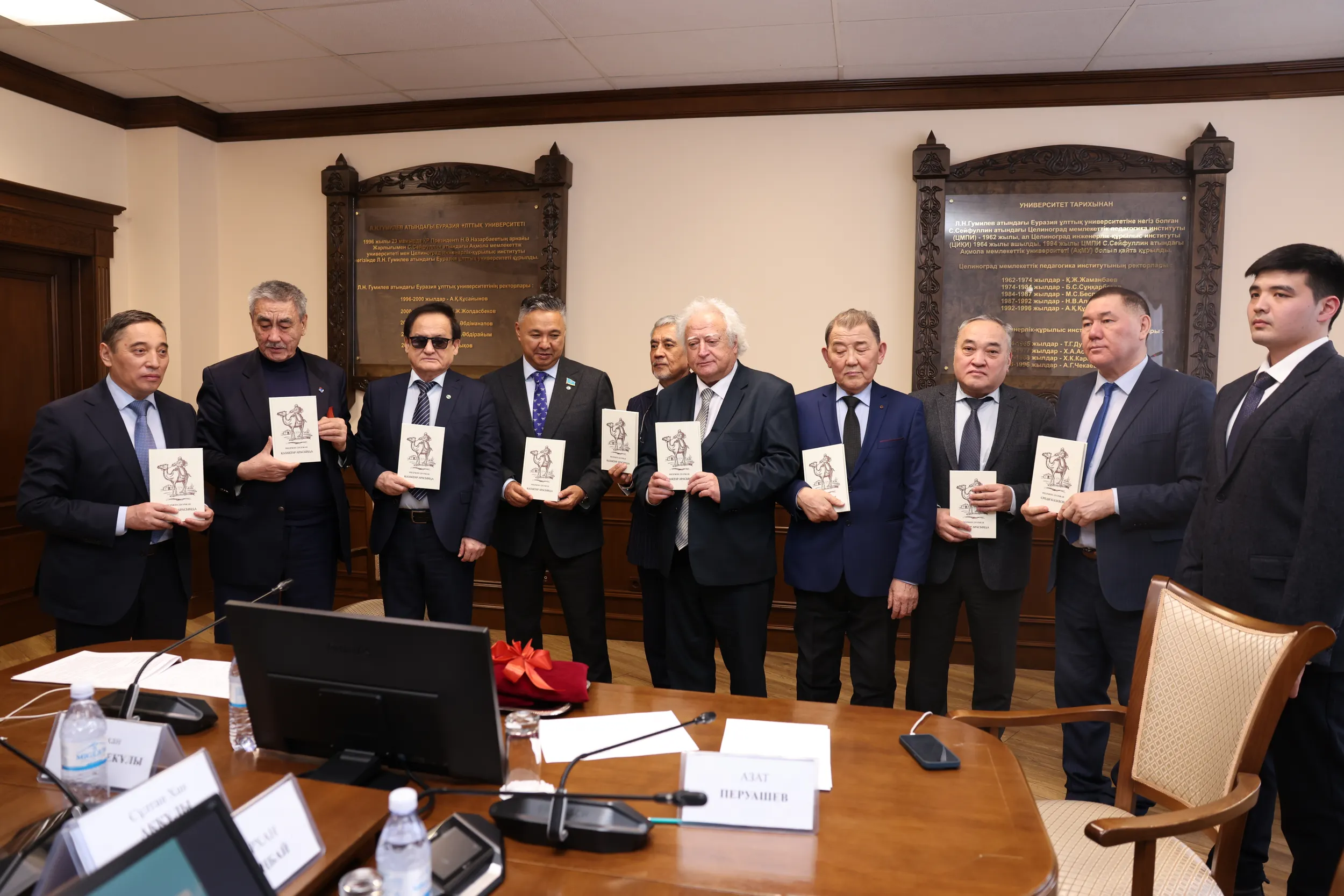
Photo credit: Eurasian National University
Hosted at the Eurasian National University, the event brought together academics, lawmakers, public leaders, and students from Kazakhstan, Japan, the Czech Republic, and Slovakia.
The conference focused on newly discovered historical items excavated in 2022 from archives, libraries, and private collections in Japan, the Czech Republic and Slovakia.
Researchers stressed that these texts shed new light on the Alash movement and the establishment of a national state on the former territory of the Kazakh Khanate. The findings indicate that the Alash Republic operated as a sovereign political entity rather than as an autonomous area, between 1917 and 1920.
Dinmukhamed Baizhuma, an expert in Alash studies and author, said that the early 20th century was an era of national awakening.
“The beginning of the 1900s became a new stage of spiritual revival and political mobilization for the Kazakh nation. Ideas of freedom and independence strengthened the people’s national consciousness,” Baizhuma said.
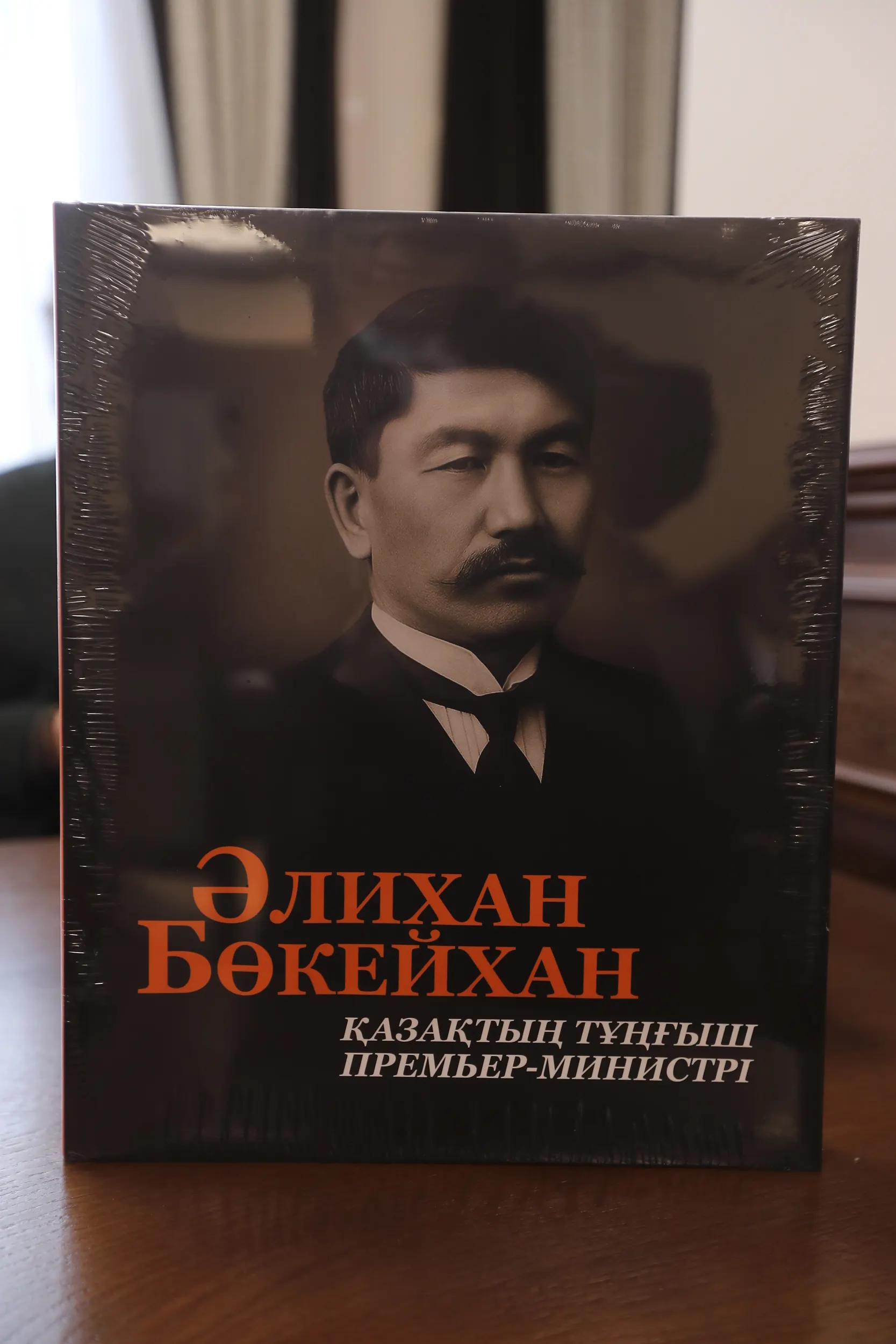
Photo credit: Eurasian National University
The expert explained that the 1917 revolution altered the political environment, leading Kazakh intellectuals to seek new measures to safeguard the country’s future. During this chaotic period, the Alash Orda developed, trying to preserve national interests and collaborate with other political groups.
The Czechoslovak Legion was a crucial ally, and its efforts affected political developments throughout the Kazakh steppe. Archival materials and newspapers from 1918 document the legion’s operations against Bolshevik forces and its collaboration with local leaders to stabilize key districts. Memoirs of Czech legionnaires, particularly writer Pavel Fink, stressed collaboration with the Alash government in resisting Bolshevik authority.
“These documents show that Alash leaders were actively seeking international support in an extremely complex political environment,” Baizhuma added.
The conference also featured a presentation of the illustrated book “Alikhan Bokeikhan. Kazakhstan’s First Prime Minister.”
The publication delves into Bokeikhan’s life as a political leader, scholar, publicist, and one of the first professional Kazakh journalists. His research included history, anthropology, literature, folklore, economics, and agricultural science. Rare images, historical records, and archival documents help readers better comprehend his contributions to Kazakh statehood and national identity. The conference participants also had the opportunity to view the “Alikhan and Alash” art show and watch a documentary film about Alikhan Bokeikhan.
The conference was organized in partnership with the Alash Institute of Culture and Spiritual Development and the Shokan Ualikhanov Institute of History and Ethnology.
