
Ten years after the EU and Kazakhstan signed the Enhanced Partnership and Cooperation Agreement, our relationship has grown into a broad and dynamic partnership. It spans political dialogue, security-, and economic cooperation, as well multilateral diplomacy, connectivity, and innovation. In an era marked by geopolitical tension and global uncertainty, Kazakhstan remains a stable, constructive, and forward-looking partner for the European Union.
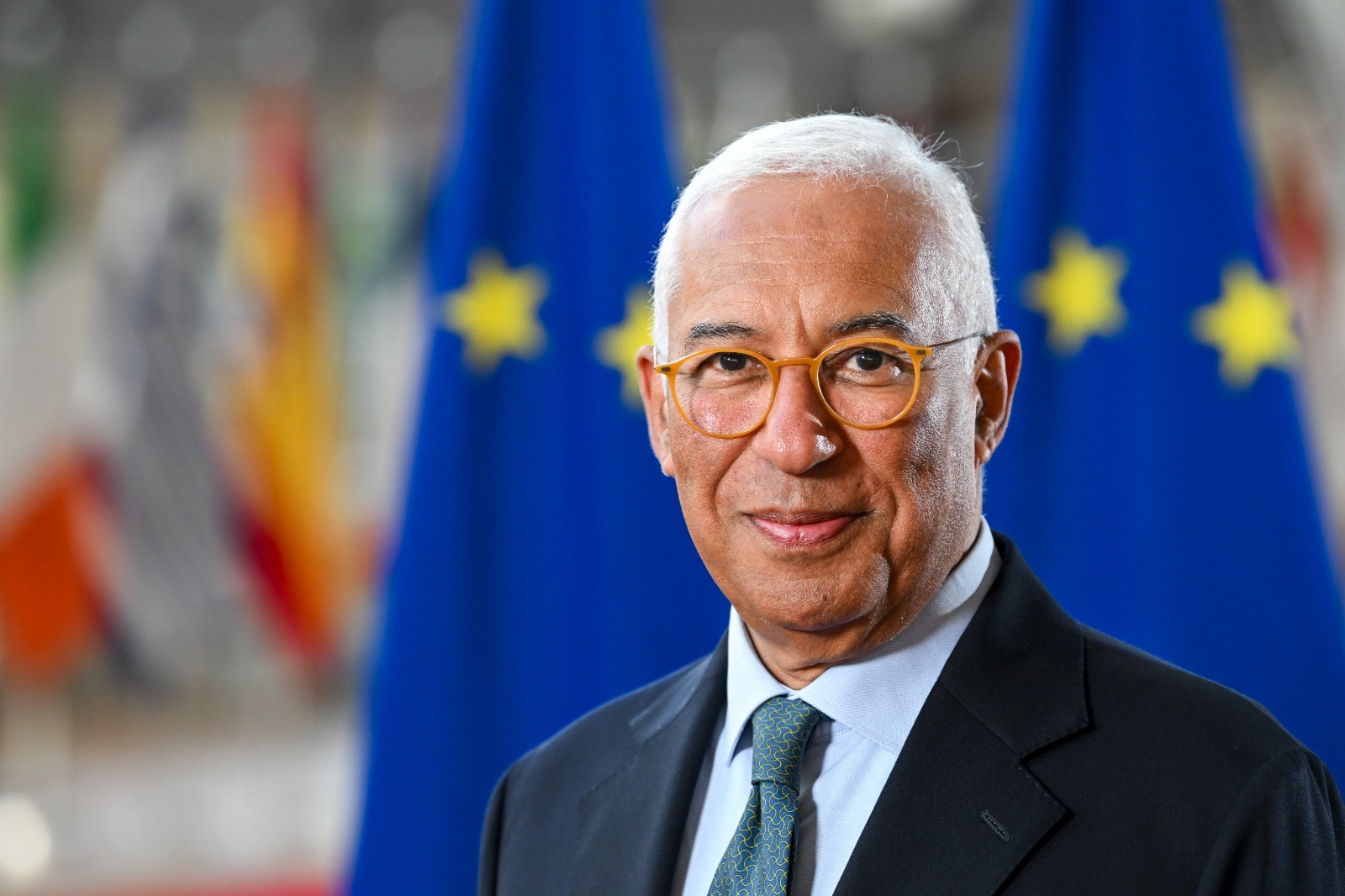
António Costa, President of the European Council. Photo credit: consilium.europa.eu
At the multilateral level, we work closely to defend the principles of the UN Charter, promote peaceful solutions, and strengthen an international system based on rules and cooperation, as well as the respect of countries sovereignty and territorial integrity. Kazakhstan’s diplomatic engagement – ranging from conflict prevention to its contributions in global fora – is consistent with the EU’s priorities of promoting peace, dialogue, de-escalation, and stronger international partnerships. This shared approach has made our relations more strategic, and our cooperation more relevant in a number of areas in today’s geopolitical context, such as cooperating on avoiding sanctions circumvention. Stopping the war and bringing comprehensive, just and lasting peace in Ukraine is a common priority for the EU and Kazakhstan.
Connectivity is another area where our partnership is delivering concrete results. The Trans-Caspian International Transport Corridor has rapidly gained strategic significance as a secure and sustainable bridge between Central Asia and Europe. With over €10 billion in European and international commitments, the Middle Corridor is becoming faster, more efficient, and increasingly digitalised. Strengthening this route is essential not only for trade, but also for building a more resilient Eurasian connectivity architecture that reduces vulnerabilities and diversifies Europe’s links with the wider region.
Economic ties remain a strong anchor. Over 4,000 European companies operate in Kazakhstan, and cooperation through Horizon Europe, Erasmus+ and our expanding people-to-people exchanges reflects our investment in long-term modernisation. The ongoing negotiations of visa facilitation will take this engagement even further, supporting business, innovation, and academic links. Another important and strategic dimension of our partnership is securing the critical raw materials, energy sources and technologies that underpin Kazakhstan’s and Europe’s green and digital transitions. Recent disruptions have shown the risks of over-dependence on a small number of global suppliers. The EU-Kazakhstan partnership is uniquely positioned to help address these challenges. Our partnership can help to accelerate energy diversification, scale investments into renewable energy resources, support technological development and supply a large share of the raw materials that the EU considers critical. Our Strategic Partnership on raw materials, batteries, and renewable hydrogen – together with the joint 2025–2026 Roadmap – provides a solid framework to turn this potential into action.
Our joint task ahead is to identify strategic and high-impact projects, that will deepen our cooperation in processing and refining, and support innovation in areas such as geological surveying, battery recycling and green hydrogen. This is not only about materials; it is about building resilient, future-proof value chains that strengthen Europe’s competitiveness while supporting Kazakhstan’s own industrial modernisation.
Ten years after the Enhanced Partnership and Cooperation Agreement’s signature, our direction is clear. The EU and Kazakhstan are building a partnership that contributes to peace, enhances global cooperation, reinforces sustainable connectivity, and underpins Kazakhstan and Europe’s long-term resilience.
The next decade must be defined by implementation: stronger value chains, modernised infrastructure, deeper technological cooperation, and tangible joint projects. Kazakhstan is a reliable partner for this journey. “Together, we can turn shared challenges into shared strengths and shape a more secure, sustainable and competitive future for both sides.
Disclaimer: The views and opinions expressed in this article are those of the author and do not necessarily reflect the position of The Astana Times.
