
ALMATY — Thirty young innovators from Kazakhstan, the Kyrgyz Republic, Tajikistan, Turkmenistan, and Uzbekistan gathered in Astana on Dec. 4 for a regional case championship aimed at developing solutions to counter digital and gender-based violence, reported the UNDP press service.
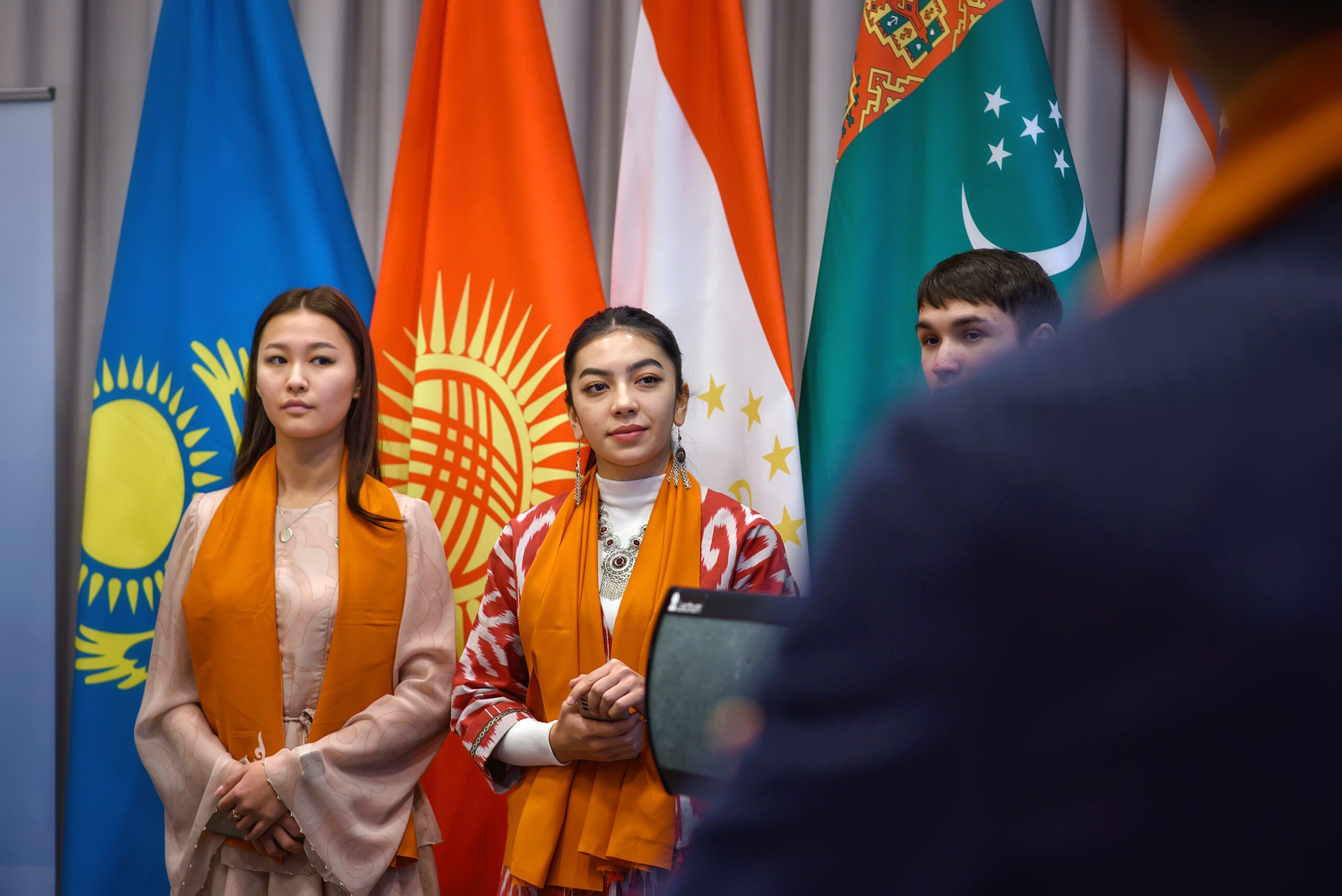
Young innovators participated in a regional case championship to counter digital and gender-based violence. Photo credit: undp.org
The competition centered on a case study inspired by real incidents in a regional university, where a closed online group was discovered circulating photos of female students without consent. Participants examined the misuse of artificial intelligence to create compromising images and the compilation of humiliating rankings targeting young women.
In response to this scenario, the teams worked on proposals ranging from developing AI tools to detect illicit or manipulated content to introducing comprehensive digital safety protocols at universities. They also explored establishing support mechanisms for victims, including psychological counseling, legal assistance, and streamlined reporting channels, to ensure rapid removal of harmful material and protection from further abuse.
Throughout the process, the teams were supported by mentors and experts from UNDP, UNFPA, UNICEF, WHO, universities, private tech companies, and civil society organizations. The event highlighted the importance of youth-driven solutions and emphasized that technological literacy and ethical digital behavior must be cultivated at the community level.
“This championship showed me that even one idea can change the status quo. We want online spaces to be places of opportunity, not fear,” said Rukniya Niyozbekova, captain of the winning team from Tajikistan.
Digital violence across the region
The initiative comes at a time when digital violence is rapidly increasing across the world. As online platforms expand and artificial intelligence becomes more accessible, young people face heightened exposure to threats such as manipulated images, unauthorized dissemination of personal data, and disinformation campaigns.
According to international studies, 38% of women worldwide have experienced some form of digital violence, including non-consensual sharing of images and AI-based manipulation.
“Awareness and digital literacy are becoming fundamental safety skills. For UNDP, this is a key priority as we support the development of digital public infrastructure and promote AI literacy in partner countries,” said UNDP Deputy Resident Representative in Kazakhstan Sukhrob Khojimatov.
Kazakhstan emphasized that combating digital violence requires coordinated regional action, especially as Central Asian countries face similar technological and social challenges.
“Projects developed with youth participation are not just about innovation; they represent a tangible contribution to protecting human dignity and the rights of women and girls in our country and across the region,” said Director of the Department of Multilateral Cooperation of Kazakhstan’s Ministry of Foreign Affairs Didar Temenov.
He highlighted that Kazakhstan has already strengthened its legislation on gender-based violence and that the UN Regional Centre for the Sustainable Development Goals in Almaty can serve as a key platform for expanding regional cooperation.
The event was hosted by the United Nations Development Programme (UNDP) in Kazakhstan with support from the Japanese government in partnership with UNFPA, WHO, UN Women, and UNICEF
