
ALMATY – Kazakhstan has recorded a significant increase in the reserves of solid minerals following the registration of five new deposits on the State Geological Register in 2025.
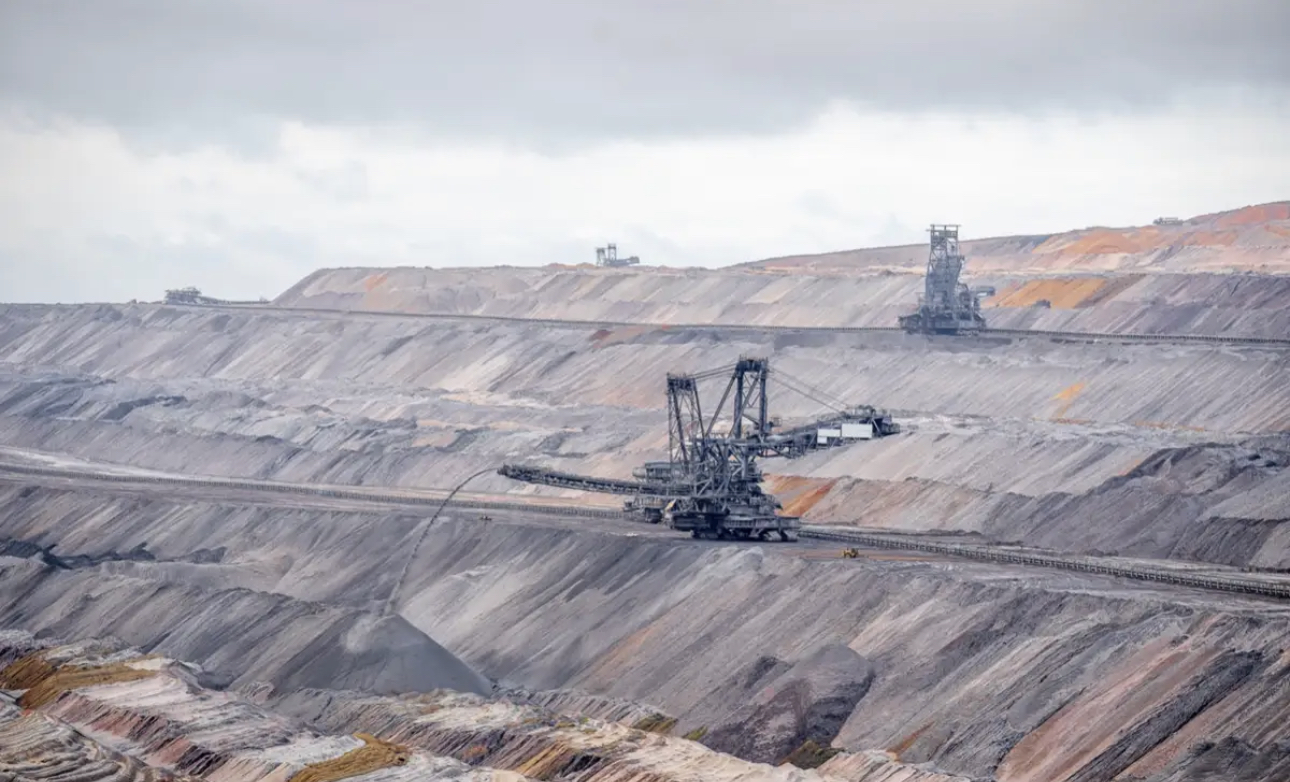
Photo credit: freepik
The newly identified sites – Kok-Zhon, Altyn-Shoko, Samombet, Studencheskiy and Takyr-Kaldzhir – are expected to substantially strengthen the country’s mineral resource base, according to the Prime Minister’s report on Sept. 4.
In 2025 the government allocated 7.6 billion tenge (approximately US$14 million) to conduct detailed studies of 41 geological sites aimed at improving the investment attractiveness of the sector. As a result, Kazakhstan’s resource potential has been considerably enhanced, with an increase of nearly 97.8 tonnes of gold, 11.9 tonnes of silver and more than 36,000 tonnes of copper.
Under the updated State Subsoil Fund Management Program, authorities have added 73 new exploration sites covering more than 2,650 square kilometers, along with 62 deposits that are being prepared for auction to attract domestic and international investors.
For comparison, in 2024 Kazakhstan registered 23 new deposits of solid minerals, as well as several hydrocarbon and groundwater reserves, which led to a significant boost in oil, gas, and water resources. The latest figures demonstrate the systematic and continuous nature of the country’s efforts to expand its geological potential.
In addition to new exploration initiatives, 2025 saw a comprehensive audit of technogenic mineral formations (TMF). The government has now officially recorded 1,630 TMF sites with a total estimated volume of 53.6 billion tonnes, bringing the overall database to 1,747 sites amounting to about 55 billion tonnes. Notably, 450 of these formations are located near populated areas, which underscores the importance of integrating them into processing chains.
Authorities stress that the reuse of these resources carries significant economic, environmental and social benefits, enabling Kazakhstan to strengthen its industrial raw material supply while reducing ecological risks.
