
ASTANA – Kazakhstan is expected to sell up to $500 million from its National Fund in May to support budget transfers, even as analysts warn the recent strengthening of the tenge may not reflect underlying economic fundamentals.
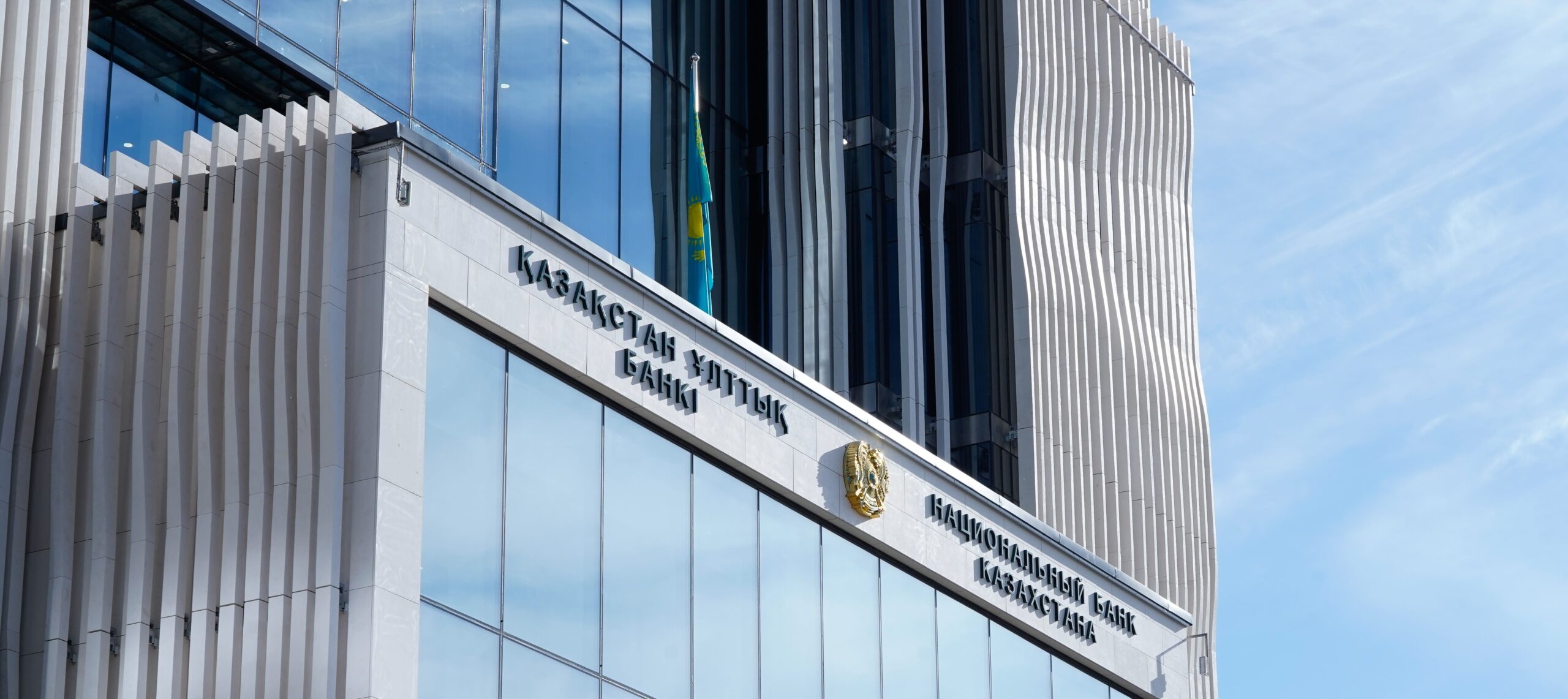
Photo credit: The National Bank
According to a statement from the National Bank of Kazakhstan released on May 4, the tenge had strengthened by 3.1% to 463.09 tenge to the U.S. dollar by the end of April.
The average daily trading volume on the Kazakhstan Stock Exchange rose from $372 million to $394 million over the month.
Currency sales from the National Fund, a sovereign wealth fund, which has been accumulating the nation’s massive oil and gas revenues, in April hit $300 million, which enabled transfers to be made to the national budget. Sales from the National Fund accounted for 3.5% of the total trading volume, or around $13.6 million per day.
According to the government’s preliminary estimates, the National Bank is expected to sell between $400 million and $500 million from the National Fund in May to provide transfers to the national budget.
“As part of currency swap operations, approximately 354 billion tenge [US$766 million] was sterilised in April. In May, currency sales equivalent to 354 billion tenge [US$766 million] are expected for this purpose,” said the National Bank.
Analysts said the surge in trading volumes points to a sharp increase in foreign currency supply rather than stronger market fundamentals. Total trading volume reached $8.7 billion, the highest level since 2024. In comparison, U.S. dollar trading stood at $6.7 billion in March this year and $5.4 billion in April 2025.
“Overall, dollar trading on KASE totaled $27.9 billion in January-April, up $9.2 billion from the same period last year. Against the backdrop of the tenge’s appreciation, the sharp rise in dollar turnover on the exchange points primarily to increased foreign currency supply,” reads the report.
Halyk Finance noted the overall volume of foreign currency supply between January and April, from such sources as sales from the National Fund, foreign exchange sales linked to mirrored gold purchases, mandatory sales of 50% of foreign currency earnings by state-owned companies, and sales tied to non-residents’ purchases of government securities, remained broadly unchanged from the same period last year at around $6 billion.
“Dollar-denominated borrowing by the government, state-owned entities, and private companies during the first four months of 2026 also remained well below the $9.2 billion increase in foreign currency supply,” said the report.
Halyk Finance said the current tenge exchange rate does not fully reflect underlying economic fundamentals and warned the currency could weaken significantly once excess dollar supply fades.
“Uncertainty regarding the continued supply of currency to the market limits the ability of foreign exchange market participants to make long-term forecasts and creates risks of exchange rate volatility once these resources are exhausted,” reads the report .
Analysts expect the tenge exchange rate to stand at 540 tenge per U.S dollar with an average annual oil price of $85 per barrel.
“Key factors will include high inflation, a narrowing of the trade surplus due to insufficient export growth, a cooling of non-resident investment activity in the government securities market, and a significant reduction in currency sales from the National Fund compared with last year,” reads the report.
