
ASTANA — The image of the obedient Kazakh woman is often repeated in discussions of tradition. Yet historians and anthropologists say the reality of life on the steppe was far more complex. In a society shaped by nomadic life, women were not passive members of the household but key partners in family and economic survival.
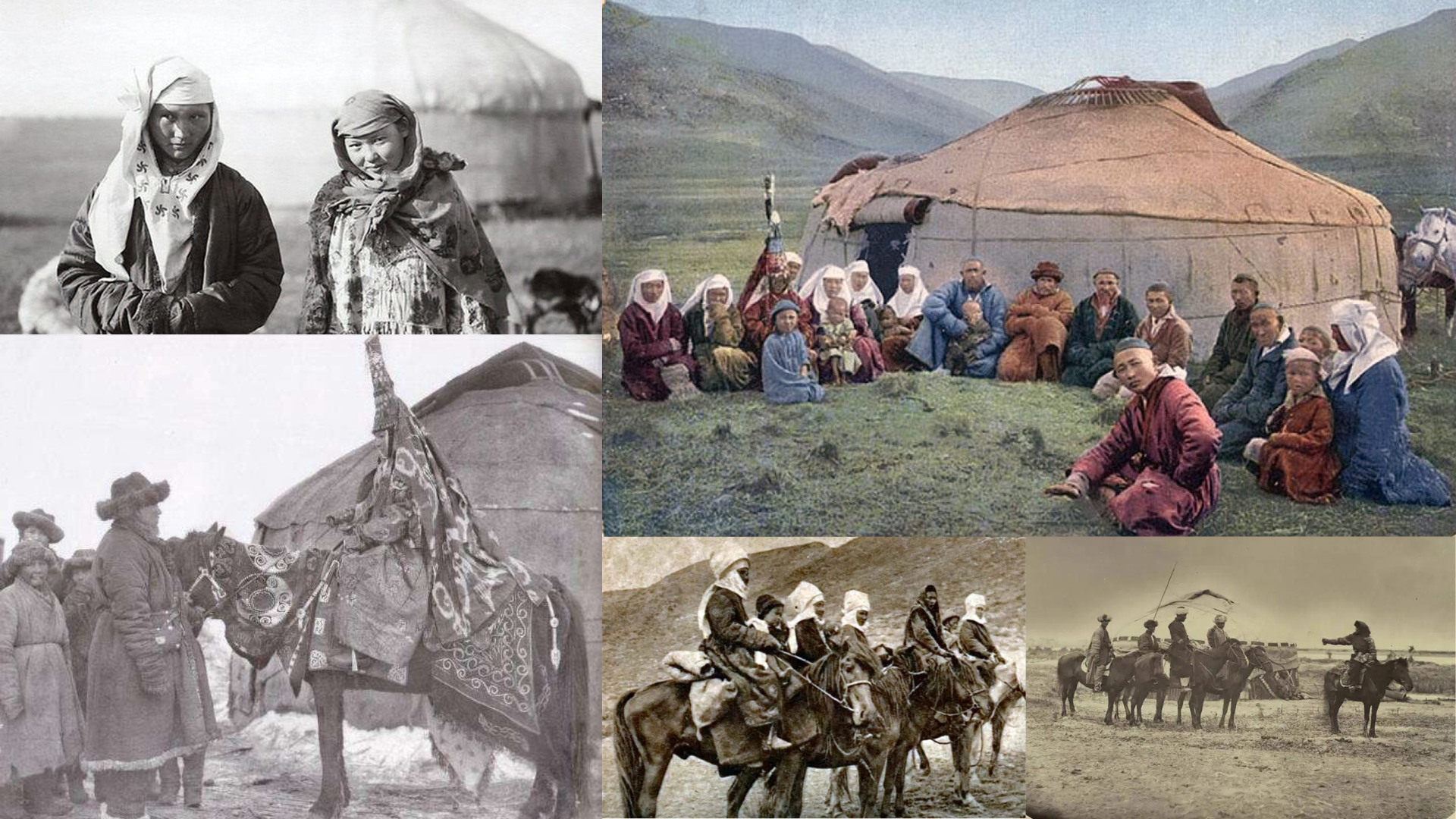
Anthropologist Alima Bissenova, associate professor of anthropology at Nazarbayev University, explains how life in the Kazakh steppe produced a family model built on cooperation between men and women, challenging the persistent myth of the submissive Kazakh woman.
Partnership in the steppe
What did family mean in traditional Kazakh society? And what role did women actually play in it?
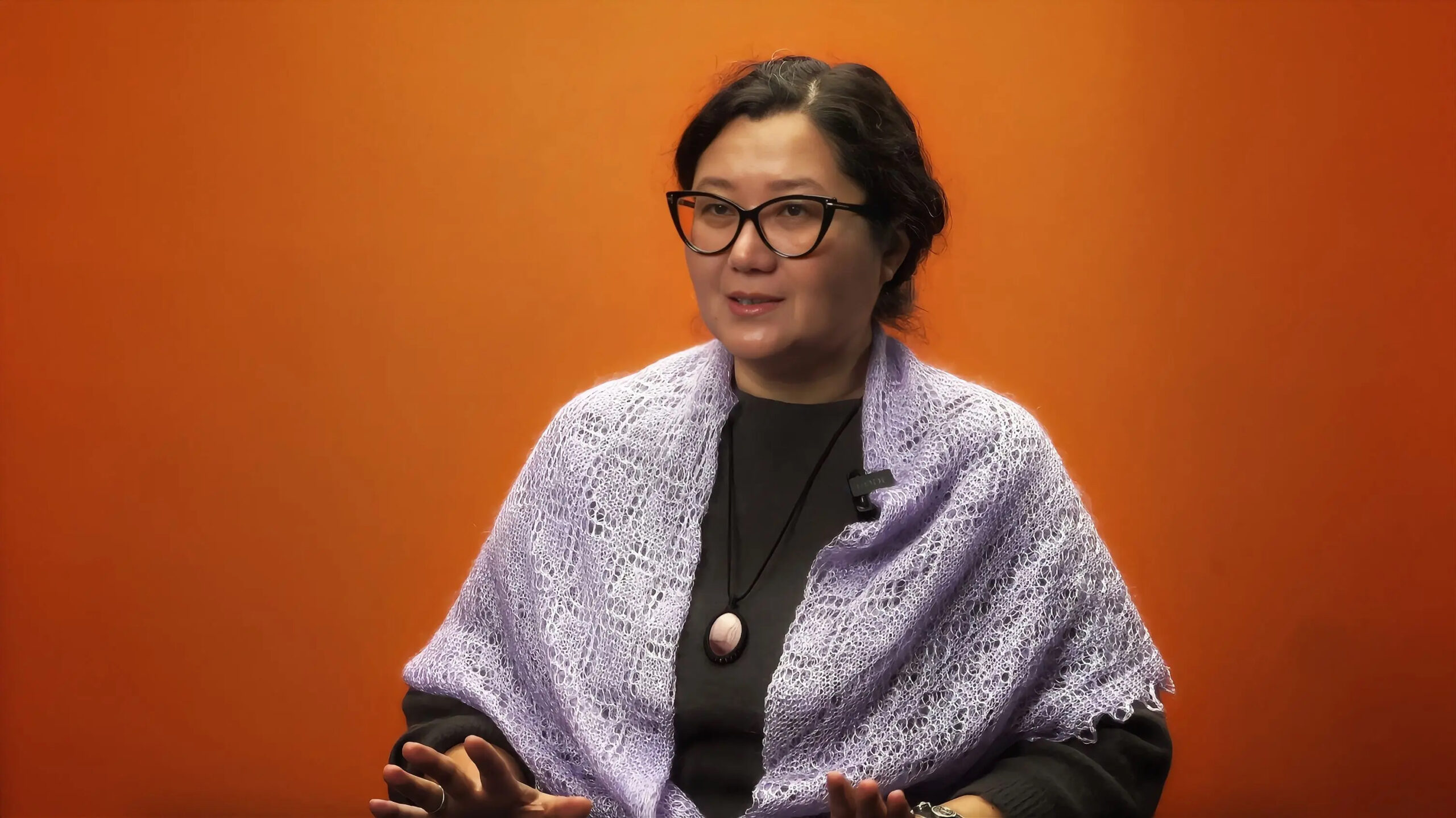
According to Bissenova, the stereotype of the submissive Kazakh woman often reflected misunderstandings of Kazakh customs by European and Russian observers. Photo credit: The Astana Times
According to Bissenova, the widely circulated image of the submissive Kazakh woman is largely a myth. In traditional societies where the family functioned as a unit of production, women worked alongside men and played a crucial role in sustaining the household.
“A hard-working woman understands her contribution to the well-being of the family and society. That sense of responsibility is difficult to take away from her,” Bissenova said.
“This was true whether we speak about Russian women working in the fields or Kazakh women tending herds, sheep and horses. Women were constantly engaged in labor and were deeply involved in everyday economic life,” she added.
Such work, she noted, naturally gave women a degree of independence. Life on the steppe required the efforts of both men and women for families to survive. Harsh climate conditions and the demands of nomadic pastoralism meant that cooperation was essential. In this sense, the Kazakh family structure resembled what today might be described as an “equal partnership.”
In a nomadic society, women’s labor was especially vital because men often spent long periods away from home. They could be herding livestock over large distances, participating in warfare, or guiding caravans along trade routes that crossed the Kazakh steppe.
“In many ways women acted as managers of the household and the herds when men were absent. At the same time, men’s role remained crucial. Certain tasks, particularly horse herding, required significant physical strength. Horses are large animals — you have to tame them, ride them and manage them,” Bissenova explained.
Women also faced biological realities that shaped daily life. Pregnancy and childbirth occupied a large part of their reproductive years, making some physically demanding tasks more difficult. Yet necessity often meant that women performed these tasks when needed.
“In the absence of men, women sometimes had to do everything, including riding horses and managing livestock. Learning these skills gives anyone a sense of empowerment, whether man or woman,” she said.
Traditions misunderstood
Despite women’s central role in maintaining nomadic households, the stereotype of the submissive Kazakh woman began to appear in writings by outsiders in the late 19th and early 20th centuries. According to Bissenova, these interpretations often reflected misunderstandings of Kazakh customs by European and Russian observers unfamiliar with steppe society.
One example is the tradition of kalym, often translated as “bride price.”
“It would be more accurate to describe kalym as a form of family investment rather than a payment for a bride,” she said.
In traditional marriages, the groom’s family contributed livestock or other resources to the bride’s family. These resources were used to prepare the couple’s household and provide necessary items for their new life.
Historical accounts illustrate the scale of these contributions. In the memoirs of Kazakh writer and military commander Baurzhan Momyshuly, he describes how 16 horses were given when his sister married.
“These horses were used to obtain bedding, dishes, household items and even a yurt. Producing such items required significant labor and time. It was not like today, when everything can simply be purchased in a store,” Bissenova explained.
For outside observers unfamiliar with the social context, however, the exchange could appear as if women were being bought and sold.
“Some people concluded that our women were being purchased and had no rights or voice in the marriage process. But at that time Kazakhs themselves produced very few written accounts explaining their own customs, which made these misunderstandings easier to spread,” Bissenova said.
In reality, marriage negotiations involved complex discussions between families and clans. These negotiations often served to protect the bride’s interests and ensure stability between the two families.
Elements of this negotiation culture remain visible today, particularly in weddings involving families from different regions of Kazakhstan, where traditions can vary significantly.
Strength and choice across generations
While Bissenova challenges simplified stereotypes, she also emphasizes that life for women in traditional Kazakh society was far from easy. Marriage often meant leaving one’s home and family due to the practice of exogamy, which required people to marry outside their own clan or village.
“Women often married far from where they grew up. Travel was difficult in those days, and a woman might not see her relatives for many years. She entered a completely new environment and had to build relationships with strangers,” she said.
This reality required resilience.
“Even today, during weddings, we say that women are brave for marrying,” Bissenova said. “They embrace a new family and a new life among people they hardly know.”
Modern Kazakh women, she believes, face a very different landscape of opportunities and pressures. In the past, a woman’s social status was often closely linked to motherhood and the number of children she raised. Today, women have far greater freedom to choose their own paths. At the same time, that freedom comes with responsibility.
“Today a woman decides for herself what life she wants—her career, the partner she chooses and many other aspects of her future,” Bissenova said.
For her, there is no single model of what a Kazakh woman should be.
“There are different Kazakh women and different paths. There is no universal recipe for happiness. Each woman chooses what matters most to her,” she said.
Bissenova also cautions against framing gender relations as a struggle between men and women.
“I don’t think gender wars are the right direction. Healthy societies depend on mutual understanding—between individuals and society, and between men and women,” she said, adding that men, she added, face their own social expectations and pressures that are often overlooked.
Despite ongoing debates about gender roles, Bissenova believes Kazakh women today are successfully navigating the balance between tradition and modern life.
“Kazakh women already have strong achievements. Educational attainment is high, and birth rates remain relatively strong despite higher education levels. Many women are managing to balance family, career and personal aspirations,” she said.
In her view, this ability to adapt while maintaining social stability suggests that Kazakh women are already charting a confident path forward.
What was the real role of women in Kazakh society? Watch our full report on March 25 on The Astana Times YouTube channel.
