
There is a color in Kazakhstan that is more than a national symbol. Turquoise is the color of the sky above the steppe, the color of openness, distance and trust in the future. It appears on the national flag, but it also expresses something deeper: Kazakhstan’s unique ability to connect ancient horizons with the challenges of the 21st century. Today, the world is asking a new kind of question: which places will be able to protect nature, strengthen communities, preserve culture and use technology in the service of human wellbeing?
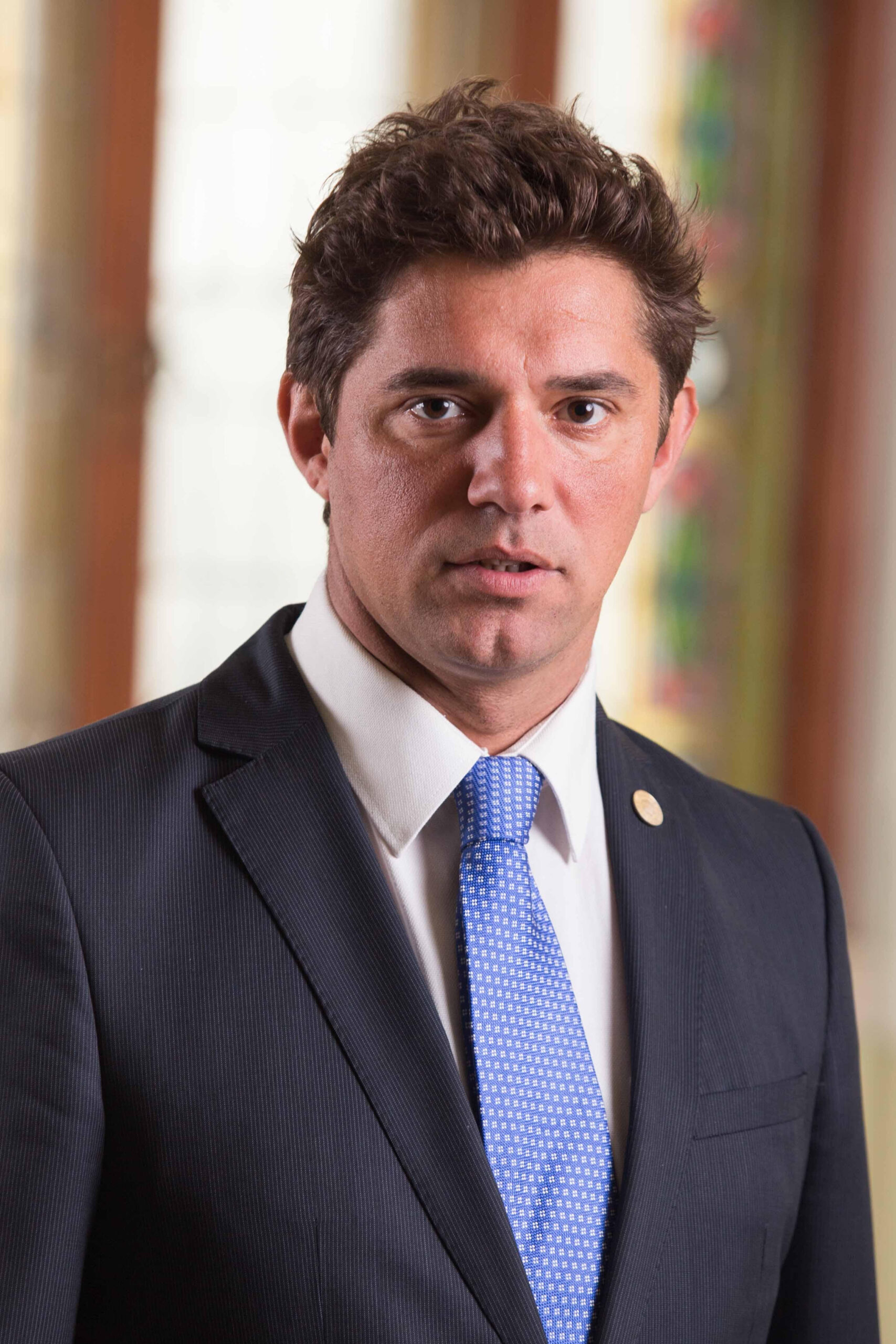
Norbert Csizmadia. Photo credit: personal archive
This is the idea behind Turquoise Zones. Turquoise Zones are places where the wisdom of Blue Zones (the regions of long life and strong communities) meets the richness of Green Zones (the landscapes of biodiversity, balance and ecological value). Turquoise Zones are not just beautiful places or successful economies. It is a living ecosystem where nature, culture, knowledge, innovation, health and community reinforce one another.
From this perspective, Kazakhstan is one of the most fascinating countries of the 21st century. Located at the heart of Eurasia, between Europe and Asia, it has always been more than a territory. It has been a corridor, a meeting point and a civilizational bridge. The Kazakh steppe carried merchants, ideas, languages, traditions and technologies across the Silk Road for centuries. Nomadic culture was never about isolation; it was about movement, adaptation, resilience and connection. These qualities may become essential again.
Astana is one of the clearest symbols of this new Eurasian future. Built in the middle of the steppe, it is not only a capital city but also a statement of ambition. Its modern architecture, international institutions, digital infrastructure and growing academic ecosystem show that Kazakhstan is not merely preserving its past; it is actively designing its future. Yet the real strength of Astana is not only in its buildings. It is in knowledge.
This is why Nazarbayev University has such strategic importance. Young, dynamic and increasingly recognized internationally, Nazarbayev University is becoming one of Central Asia’s most important knowledge hubs. In the 2026 Times Higher Education World University Rankings, Nazarbayev University is ranked in the global 401–500 band and among the top 23% of research universities worldwide, while also being recognized as the leading university in Central Asia. But rankings tell only part of the story. Nazarbayev University represents something larger: the return of the university as a civilizational institution. In the 21st century, leading universities can again become laboratories of the future — places where science, culture, sustainability, technology and social responsibility meet.
This makes the return of the Eurasian Higher Education Leaders’ Forum — EHELF-2026 especially important. On June 5–6, 2026, Astana and Nazarbayev University will once again host leaders, researchers, policymakers and innovators from across Eurasia and beyond. The forum’s theme, “The Future We Dare to Shape,” could not be more relevant. Its focus on sustainable and just futures, artificial intelligence, digital transformation and university leadership directly connects to the Turquoise Zones vision.
For me, it is a special honor to be among the invited speakers at this forum and to speak about the future of Turquoise Zones in the very place where Eurasia’s new academic and civilizational dialogue is taking shape. Kazakhstan’s future importance lies in the fact that many of the world’s greatest challenges are already present in Central Asia: water scarcity, climate adaptation, desertification, food security, energy transition, rapid urbanization and the search for sustainable growth. These are not only problems. They are opportunities for innovation. If Kazakhstan can connect ancient nomadic resilience with modern science, green technology and world-class education, it can become a model region for the future.
Kazakhstan has always understood the meaning of horizons.That is why the future may be turquoise, and one of its most important gateways may be Astana.
The author is Norbert Csizmadia, a Hungarian geographer, founder of the Turquoise Zones concept and author of the book “The Future is Turquoise: Geography of Turquoise Zones.”
He is a Goodwill Ambassador at AUAP (the Association Universities of Asia and Pacific).
Disclaimer: The views and opinions expressed in this article are those of the author and do not necessarily reflect the position of The Astana Times.
