
ASTANA – Twenty years after the first Kazakh crude reached China, the Atasu-Alashankou pipeline has evolved from an infrastructure project into one of Eurasia’s most strategically important energy corridors. More than a transportation route, the pipeline has strengthened economic ties between neighboring Kazakhstan and China while providing an alternative export corridor at a time of growing geopolitical uncertainty.
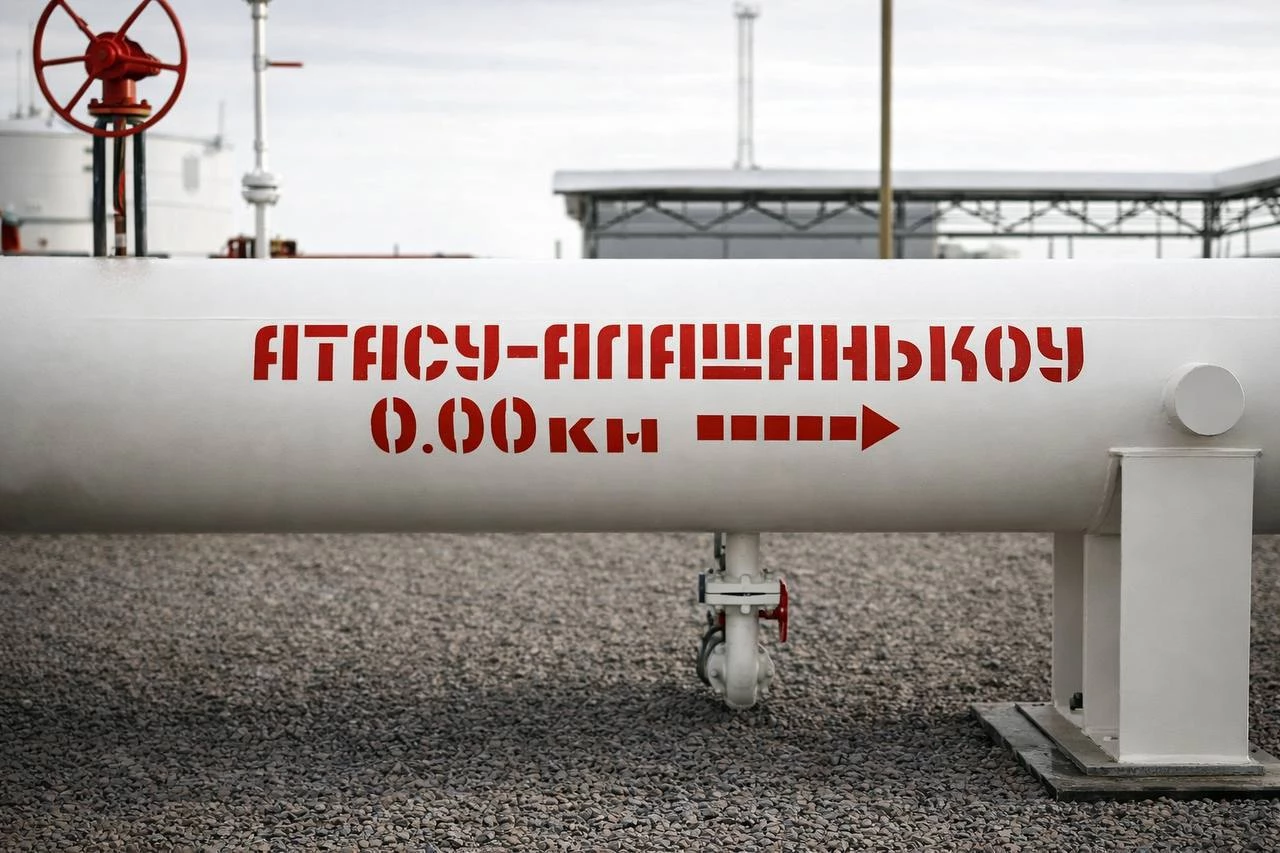
Photo credit: kmg.kz
The Atasu-Alashankou pipeline, the first phase of the Kazakhstan-China oil pipeline system, marked a turning point for Kazakhstan’s energy sector. Stretching nearly 965 kilometers, including 962.9 kilometers across Kazakhstan and 2.2 kilometers inside China, the pipeline passes through the Ulytau, Karagandy, Zhetisu and Abai regions before crossing the border. It transports crude from western Kazakhstan, the Aktobe Region and the Kumkol oil fields while also carrying Russian oil in transit to China.
According to the KazMunayGas national oil and gas company, the Atasu-Alashankou pipeline has transported more than 200 million metric tons of crude oil since commercial operations began in 2006. Another key segment of the network, the Kenkiyak-Kumkol pipeline, has transported more than 100 million metric tons over the same period. Together, the two pipelines form an integrated eastbound export system that has become a cornerstone of Kazakhstan-China energy cooperation.
The corridor has taken on greater strategic importance as geopolitical tensions have reshaped global energy markets. Unlike maritime shipping, pipelines offer uninterrupted overland transportation with lower operating costs and fewer geopolitical chokepoints. For Kazakhstan, the eastern route has become an important element of export diversification.
Reliable partnership
The pipeline also aligns with China’s long-term energy strategy. As the world’s largest crude oil importer, China continues to diversify its supply sources and transportation routes to strengthen energy security.
According to OilGasLook, a Kazakh Telegram channel specializing in oil and gas industry analytics, China imported 247.6 million metric tons of crude oil worth $151 billion from 35 countries during the first quarter of this year. The country’s broad supplier base reflects both the scale of its energy demand and its efforts to reduce exposure to geopolitical risks that could disrupt supplies.
Within that strategy, Eurasia occupies a central position, and Kazakhstan has become one of China’s most important partners thanks to its abundant natural resources, geographic proximity and established pipeline infrastructure.
While oil and gas remain central to bilateral relations between the two countries, cooperation has steadily expanded into manufacturing, transportation, digital technologies and infrastructure. Bilateral trade reached a record $49 billion last year. Over the past 35 years, China has invested more than $30 billion in Kazakhstan’s economy, while more than 8,500 companies with Chinese capital now operate in the country, including major corporations such as CNPC, CITIC and Huawei.
The partnership continued to deepen in July, when President Kassym-Jomart Tokayev and Chinese President Xi Jinping met in Shanghai. Following the talks, the two governments signed a trade and economic cooperation program and a roadmap extending through 2030.
More than 70 commercial agreements worth over $15 billion were also concluded, covering the automotive industry, artificial intelligence, digital infrastructure, transportation, manufacturing and education. The agreements reflect the continued deepening of Kazakhstan-China cooperation and reinforce the two countries’ long-term strategic partnership.
The future of Kazakhstan’s oil exports increasingly depends on the continued development of eastern export routes. Growing geopolitical uncertainty has reinforced the importance of diversification, making the Kazakhstan-China pipeline not simply an alternative route but a strategic asset that enhances export resilience and reduces dependence on traditional western corridors.
At the same time, Kazakhstan still accounts for a relatively modest share of China’s crude imports, leaving considerable room for growth. Expanding that position will require continued investment in production capacity, pipeline infrastructure and cross-border logistics, as well as closer trade and investment cooperation.
Alternative export routes are gaining strategic importance as traditional corridors come under increasing pressure.
