
ASTANA – Rising geopolitical tensions, including air attacks and attempts to overthrow the government in Iran, as well as clashes along the Afghan-Pakistani border, are raising new questions about Central Asia’s ability to maintain maritime trade through ports in Iran and Pakistan.
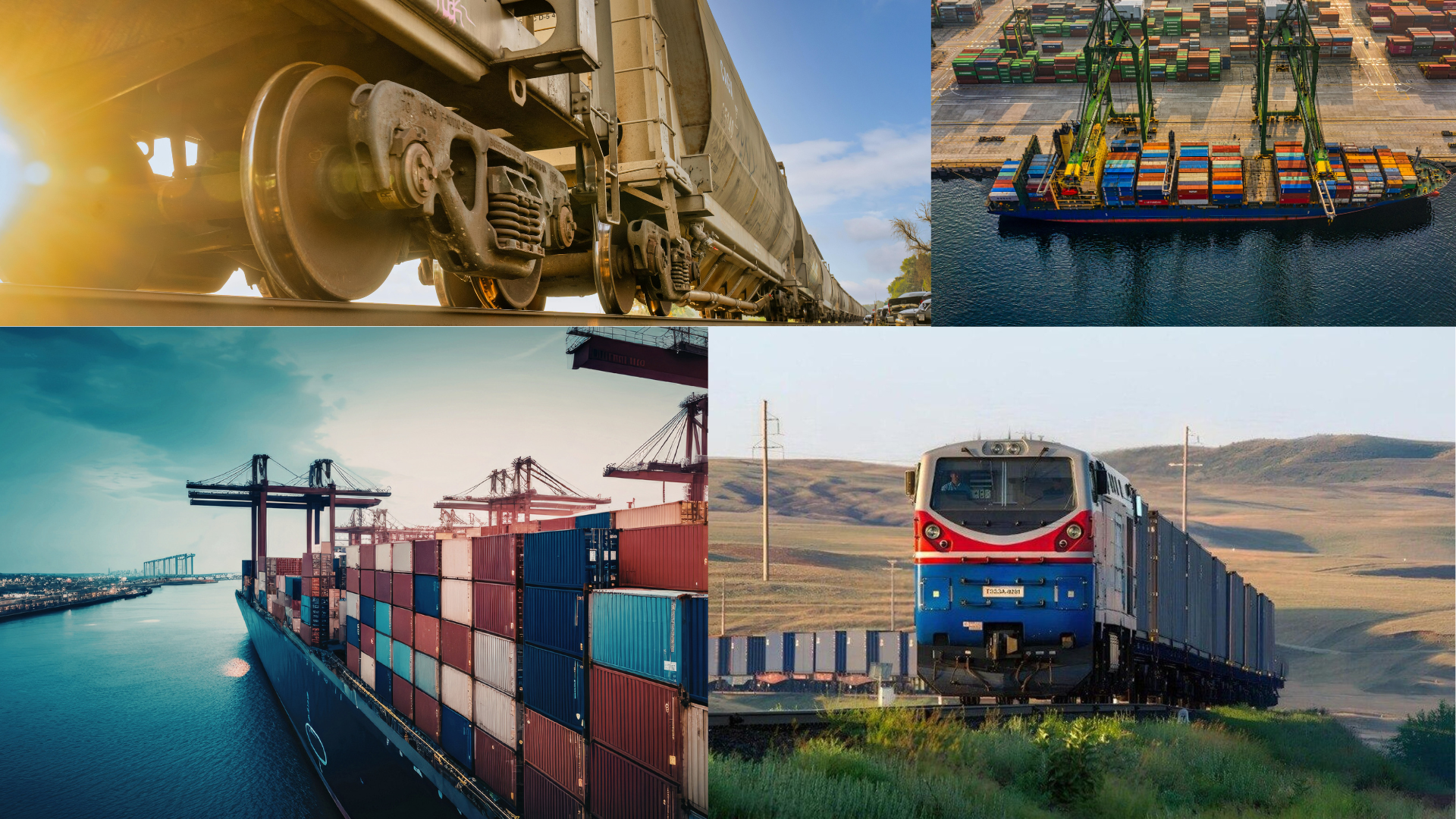
Photo credit: canva
Securing reliable access to the sea through these ports has long been a strategic goal for Central Asian countries. Several ambitious infrastructure initiatives support this objective, including the proposed Trans-Afghan railway.
According to Eldaniz Gusseinov, the head of the research department at the forecasting agency Nightingale Int., the current conflicts threaten Central Asia’s ambitions to gain access to the Indian Ocean.
“There are three main corridors, such as the Trans-Iranian, Trans-Afghan and Trans-Chinese routes. Each offers potential access to the Indian Ocean, but not all have sufficient infrastructure. The railway through Afghanistan remains a project, while rail links to Iran and China exist but often lack capacity,” he said.
With Iran facing a deep political crisis and clashes continuing along the Afghan-Pakistani border, Gusseinov said the most viable route to Indian Ocean ports may currently be the Karakoram Highway, which connects Pakistan through China.
Cargo would first need to reach Kashgar in western China via border crossings from Kazakhstan or the Kyrgyz Republic. From there, goods travel along the Karakoram Highway to the Khunjerab Pass, the world’s highest international border crossing, before continuing through Pakistan to the port of Karachi.
However, the route remains difficult and vulnerable to disruption.
“Severe weather conditions, including heavy snowfall, landslides and extreme cold, regularly affect the road. Only since 2024 has the crossing remained open year-round. Previously, it operated seasonally, from April to November,” Gusseinov said.
Security risks also remain a concern. In southern Pakistan, the anti-government militant group Balochistan Liberation Army opposes economic cooperation with China and frequently targets infrastructure projects linked to Chinese investment.
Gusseinov added that even if the political situation in Iran stabilizes, other challenges could still affect trade routes.
India, which operates the Chabahar Port and uses it to trade with Central Asia while bypassing Pakistan, is currently reassessing its strategy amid U.S. sanctions on Iran. Washington previously granted India a special waiver, but it remains valid only until April 26.
“If the exemption is not extended, cooperation with Iran could lead to higher tariffs on trade with the United States. This would also affect Central Asian countries, as using Chabahar under current conditions could have negative economic consequences, even if the military crisis subsides,” Gusseinov said.
Pacific route through China
He noted that no risk-free routes currently connect Central Asia to the Indian Ocean, suggesting that countries in the region may instead consider relying more on Chinese ports along the Pacific coast.
Transport corridors in that direction have existed for decades. In 1995, China and Kazakhstan signed an agreement allowing Kazakhstan to use the Lianyungang Port as a key maritime gateway for imports and exports.
Other Central Asian states can also use this route. In 2024, the China-Europe Railway Express network handled 911 shipments from Lianyungang, a 13% increase compared with the previous year.
However, Gusseinov noted that the Chinese route is not ideal for trade with the markets most important to Central Asia, including South Asia, East Africa, and Europe.
“Shipping goods through the Pacific would require a long and costly detour. Such routes are better suited for trade with East Asian markets, which represent a different economic direction with their own trade dynamics,” he said.
The article was originally published on POLITIK Central Asia website.
