
ALMATY – Central Asia’s energy transition will be on the agenda of the Regional Ecological Summit (RES 2026) in Astana on April 22–24, with one of the key panel sessions organized by Kazakhstan’s Energy Ministry.
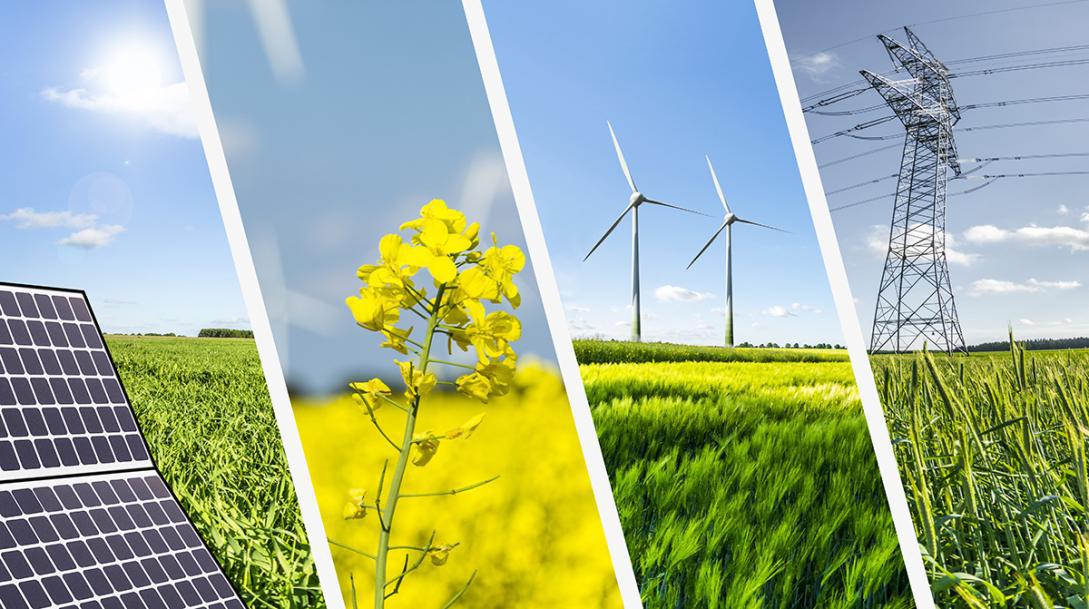
Photo credit: eeas.europa.eu
The panel will focus on approaches to a just energy transition amid rising global energy demand, which continues to drive the need for the preservation and development of all energy sources, including oil, gas, coal, nuclear power, as well as solar and wind generation, reported the ministry’s press service on Feb. 16.
According to the ministry, the main challenge of the energy transition lies not in excluding specific sources, but in making each of them cleaner, more efficient, and technologically advanced. After a period of overly rapid decarbonization, many countries are returning to more balanced, pragmatic energy policies that take national circumstances and transition timelines into account.
The role of digitalization and artificial intelligence in optimizing energy systems will also be in focus, including improving grid reliability, and reducing emissions across the sector.
According to the ministry, Kazakhstan is pursuing an evolutionary approach to the energy transition.
RES 2026 is an international platform that brings together Central Asian countries and global partners to address pressing environmental challenges, including climate change, water resource degradation, and sustainable natural resource management. The summit is expected to attract 1,500 participants, including government officials, representatives of international organizations, businesses, and the scientific community.
The initiative to hold the summit in partnership with the United Nations was proposed by President Kassym-Jomart Tokayev during the 78th session of the UN General Assembly in 2023. Additional details can be found on the official website of the summit.
