
India’s hosting of the Artificial Intelligence Summit in New Delhi on Feb. 19-20, 2026, under the theme “Sarvajan Hitaya, Sarvajan Sukhaya — Welfare for All, Happiness for All,” marks an important milestone in advancing a shared global vision for technology that is ethical, inclusive, and firmly centred on human well-being. The participation of heads of state and government, alongside leading voices from the global AI technology ecosystem, reflects a growing consensus that AI is emerging as one of the defining forces of our era. When guided responsibly, AI has the power to transform economies, strengthen governance, and address complex developmental challenges.
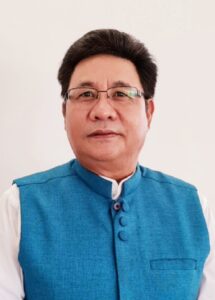
Mr. Y. K. Sailas Thangal. Photo credit: indembastana.gov.in
AI is not an end in itself but a powerful instrument that must be harnessed to augment human capability in various fields. In healthcare, it can broaden access to high-quality diagnostics and accurate treatment. In education, AI can democratize learning and expand opportunities for skill development. In governance, it offers pathways for greater transparency, efficient delivery, and improved decision-making. AI-driven innovation holds immense promise in climate mitigation, energy optimization, modern agriculture, smarter development and in planning sustainable cities.
Within this evolving global landscape, India and Kazakhstan, longstanding strategic partners bound by mutual respect and shared aspirations, are uniquely positioned to deepen cooperation in AI as a cornerstone in their bilateral engagements. Kazakhstan has taken a significant step toward preparing its next generation for its digital future by introducing AI into the higher education curriculum. This forward-looking initiative reflects a national commitment to cultivate advanced digital skills, fostering innovation by embedding AI literacy in academic institutions. Complementing this effort is Kazakhstan’s innovation ecosystem, including initiatives such as the Alem AI platform, which aim to accelerate technological progress and regional leadership.
India’s strong emphasis on AI, supported by robust policy frameworks, expanding research capacity, and a dynamic innovation ecosystem, naturally complements Kazakhstan’s initiatives. Bilateral cooperation is already visible through the Indian Technical and Economic Cooperation (ITEC) programme, under which India offers over 100 annual training slots to Kazakh professionals across priority sectors, including AI and digital technologies. These initiatives strengthen institutional linkages, promote knowledge exchange, and build human capital that will sustain long-term cooperation.
Healthcare collaboration adds a practical and impactful dimension to this partnership. India’s globally recognized expertise in medical innovation and service delivery has translated into tangible cooperation with Kazakhstan. A notable example is the gifting of an advanced MISSO robotic surgical system, an Indian-developed cutting-edge technology and an AI-driven visualization that assists surgeons in navigating complex anatomies with precision, enabling more consistent and customized implant alignment for joint replacement while reducing procedural risks. Indian medical specialists visited Astana to conduct live surgical demonstrations with MISSO and provided hands-on training to local practitioners. This exchange highlights how technology transfer and professional collaboration can directly benefit citizens while reinforcing institutional trust.
The spectrum of potential cooperation in AI extends far beyond these initial successes. Joint research initiatives can accelerate innovation and strengthen academic partnerships that equip young professionals with advanced expertise. Startup collaboration and private-sector engagement can stimulate entrepreneurship and support the commercialization of AI-driven solutions. Logistics optimization, energy management, and cybersecurity collaboration will further strengthen economic growth. These demonstrate how AI can bridge innovation with everyday needs.
Beyond bilateral benefits, an India–Kazakhstan partnership in AI carries broader regional and global significance. Both nations share a commitment to multilateral cooperation, inclusive development, and responsible technological governance. By aligning their efforts, they can help shape global norms that prioritize human-centric innovation, equitable access, and ethical stewardship, reinforcing a shared vision of narrowing developmental divides while promoting stability and prosperity.
The meeting between Prime Minister Narendra Modi and Prime Minister Olzhas Bektenov on the sidelines of the AI Summit underscores the strategic importance both countries attach to emerging technologies. High-level dialogue offers an opportunity to embed AI cooperation within the broader framework of bilateral relations spanning education, research, trade, healthcare, and innovation, ensuring that collaboration remains forward-looking and results-oriented.
As AI reshapes the contours of global progress, India and Kazakhstan are well placed to translate their partnership into a model of constructive technological cooperation. Kazakhstan’s integration of AI into higher education, combined with India’s capacity-building initiatives and healthcare innovation, demonstrates how complementary strengths can be mobilized for shared advancement.
Ultimately, cooperation in AI represents more than technological progress it embodies the shared strategic vision of India and Kazakhstan to place human welfare at the centre of innovation. As trusted strategic partners enjoying strong political goodwill and expanding collaboration across sectors, both countries are uniquely positioned to translate their partnership into tangible benefits for their citizens. By aligning their capabilities, nurturing innovation, and upholding responsible governance, India and Kazakhstan can ensure that AI becomes a driver of inclusive growth, resilience, and prosperity.
Y.K. Sailas Thangal is the Ambassador of India to Kazakhstan.
Disclaimer: The views and opinions expressed in this article are those of the author and do not necessarily reflect the position of The Astana Times.
