
ASTANA – Kazakhstan is moving to upgrade its energy system, working with the Asian Development Bank (ADB) to modernize key power infrastructure, expand renewable energy, and improve electricity reliability for millions of people in the country.
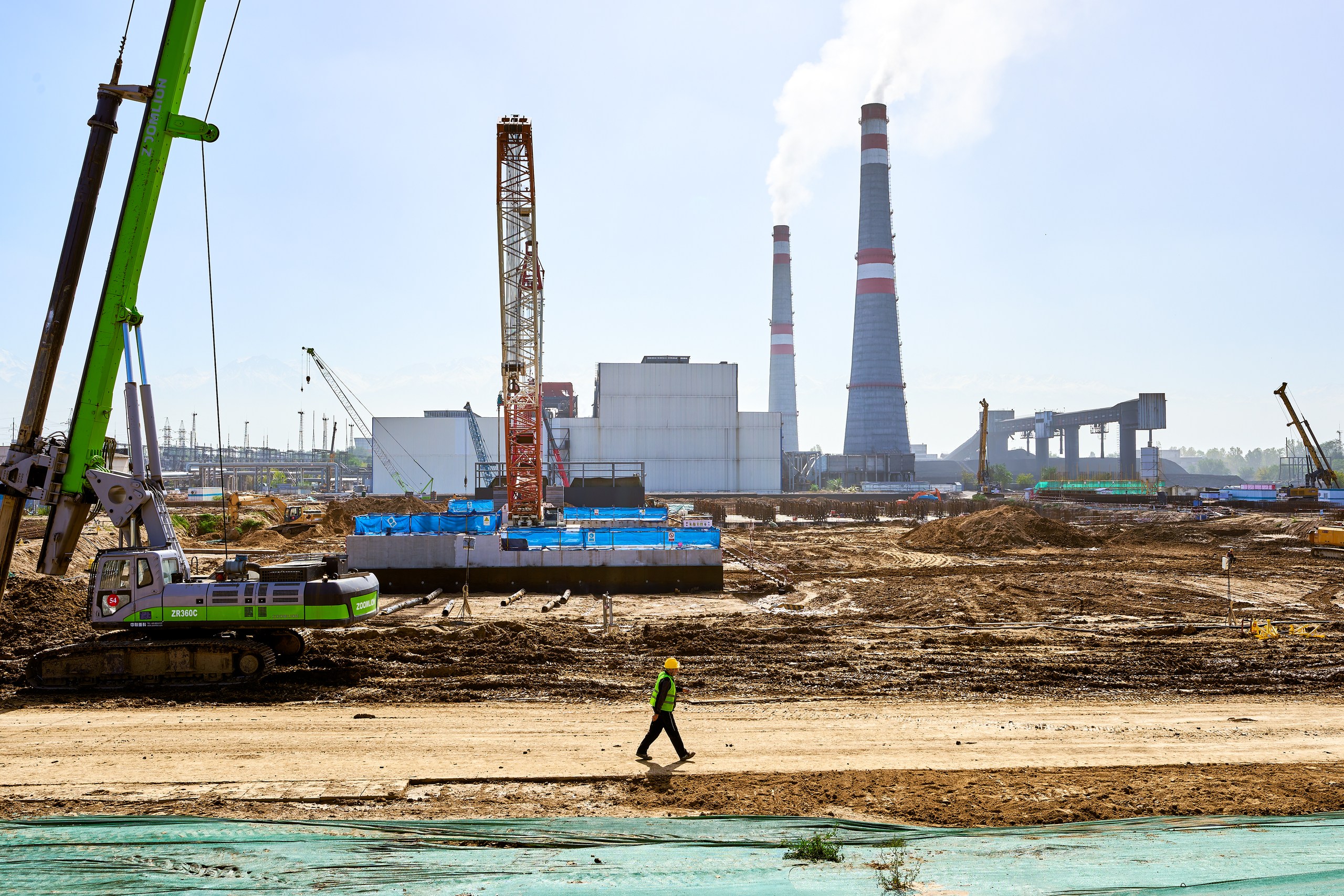
Almaty CHP 2. Photo credit: ADB in Kazakhstan
“ADB has invested over $500 million to strengthen Kazakhstan’s energy sector. These investments include renewable energy projects, modernization of the Almaty Combined Heat and Power Plant 2 [CHP-2], and grid expansion in the southern regions. The projects align with Kazakhstan’s Strategy for Achieving Carbon Neutrality by 2060, foster private sector development, and create a more favorable business environment,” said ADB Country Director for Kazakhstan Utsav Kumar.
One of the key projects is the planned conversion of Almaty’s CHP-2 from coal to natural gas, scheduled for completion by late 2026. The bank said this project will help cut emissions by almost 13-fold, a major step for Almaty, where air pollution remains a serious concern.
ADB is one of the international financial institutions backing the project.

Alibek Abdrakhmanov. Photo credit: ADB in Kazakhstan
“This project is important for Kazakhstan’s energy transition and a major step toward improving Almaty’s environment,” said Alibek Abdrakhmanov, ADB’s country operations head.
“It will significantly reduce carbon dioxide emissions and other air pollutants and help the country meet its Paris Agreement commitments. Beyond environmental benefits, the project will generate additional tax revenues during construction and operation. Indirectly, though harder to quantify, it will lower healthcare costs and improve public health thanks to cleaner air,” Abdrakhmanov said.
In the Zhambyl Region, the M-KAT solar power plant highlights Kazakhstan’s push to expand its renewable energy capacity. With a capacity of 100 megawatts and nearly 300,000 solar panels, the facility generates approximately 174 million kWh annually, enough to power thousands of households.
Operated by TotalEnergies Renewables Kazakhstan, the plant uses advanced tracking systems that optimize panel tilt to follow the sun, boosting efficiency by 25%. The plant’s seasonal employment reaches up to 140 people.
Since its launch in December 2019, M-KAT has produced over 966 million kWh of electricity, avoiding emissions equivalent to those generated by coal plants over several years.
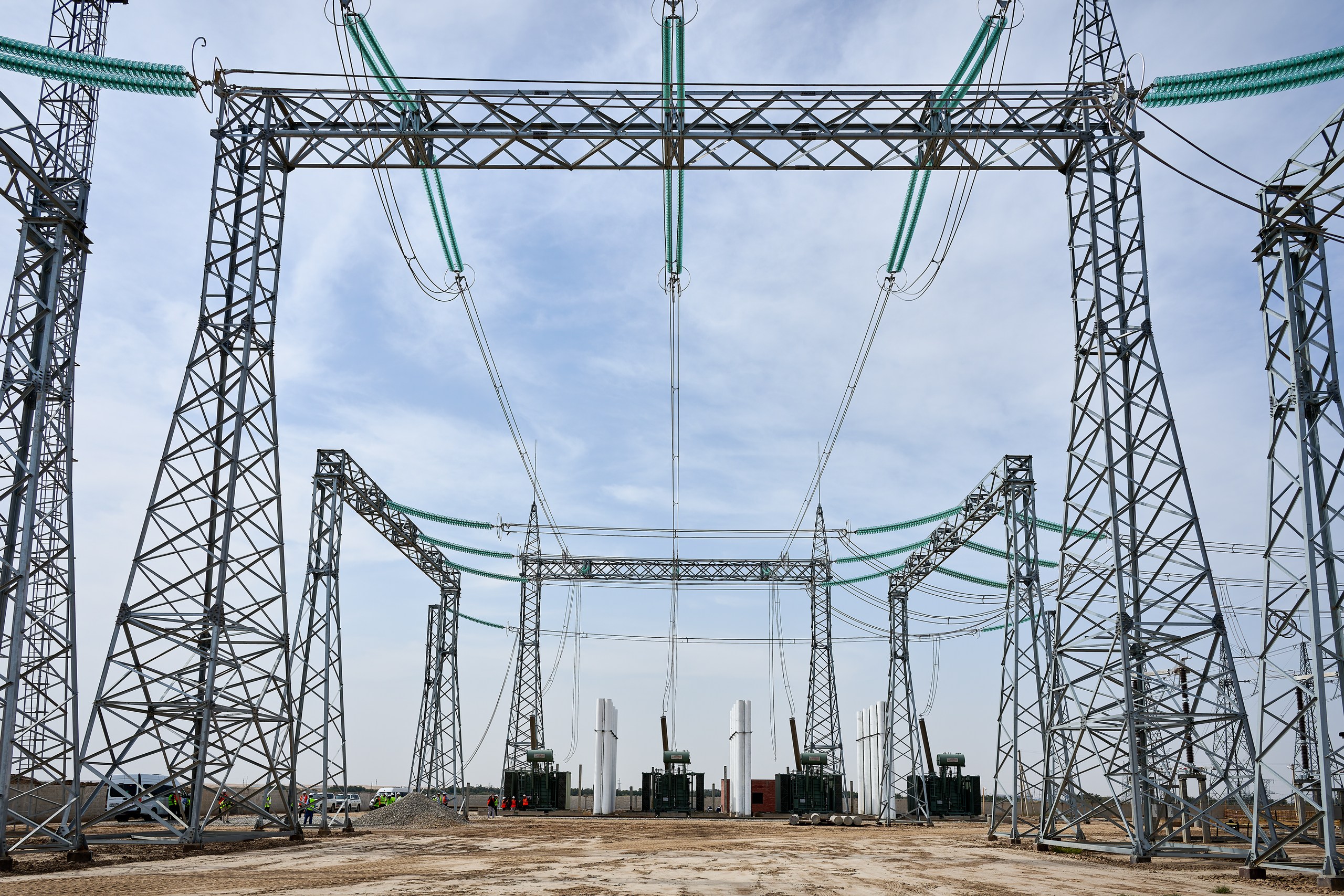
KEGOC grid expansion. Photo credit: ADB in Kazakhstan
Reliable transmission lines are critical for bringing more renewable energy into Kazakhstan’s grid. KEGOC is leading a major upgrade of the southern network, including expanding the Shu 500-kV substation and building a 475-kilometer high-voltage line linking Shu, Zhambyl and Shymkent.
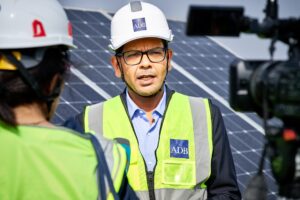
Utsav Kumar. Photo credit: ADB in Kazakhstan
The upgrade is slated to be completed in mid-2027. Officials expect it will ensure an uninterrupted power supply for Almaty, Jambyl, Turkistan, Kyzylorda, and Zhetisu regions, while preparing the grid for new generation facilities, including solar and wind farms.
“Strengthening the grid is critical for integrating renewable energy. In Kazakhstan’s southern region, densely populated and facing an energy deficit, ADB financing is helping meet urgent power needs,” said Utsav Kumar.
Beyond infrastructure investment, ADB also provides transaction advisory support to public-private partnerships in the hydropower sector, technical assistance for the Energy Transition Mechanism, and policy advice to the Ministry of Energy. These initiatives are part of ADB’s broader country partnership strategy to help Kazakhstan build an inclusive and sustainable economy that benefits all citizens.
Kumar spoke in detail about ADB priorities and milestones in Kazakhstan in an interview with The Astana Times in December 2024.
