
ASTANA – When leaders gathered for the 29th United Nations Climate Change Conference (COP29) in Baku in November, expectations were high and stakes even higher. As the world looks ahead to COP30 in Belém, Special Representative to the President on International Environmental Cooperation Zulfiya Suleimenova explains in an interview with The Astana Times why climate action should be collective and what Kazakhstan’s vision is.
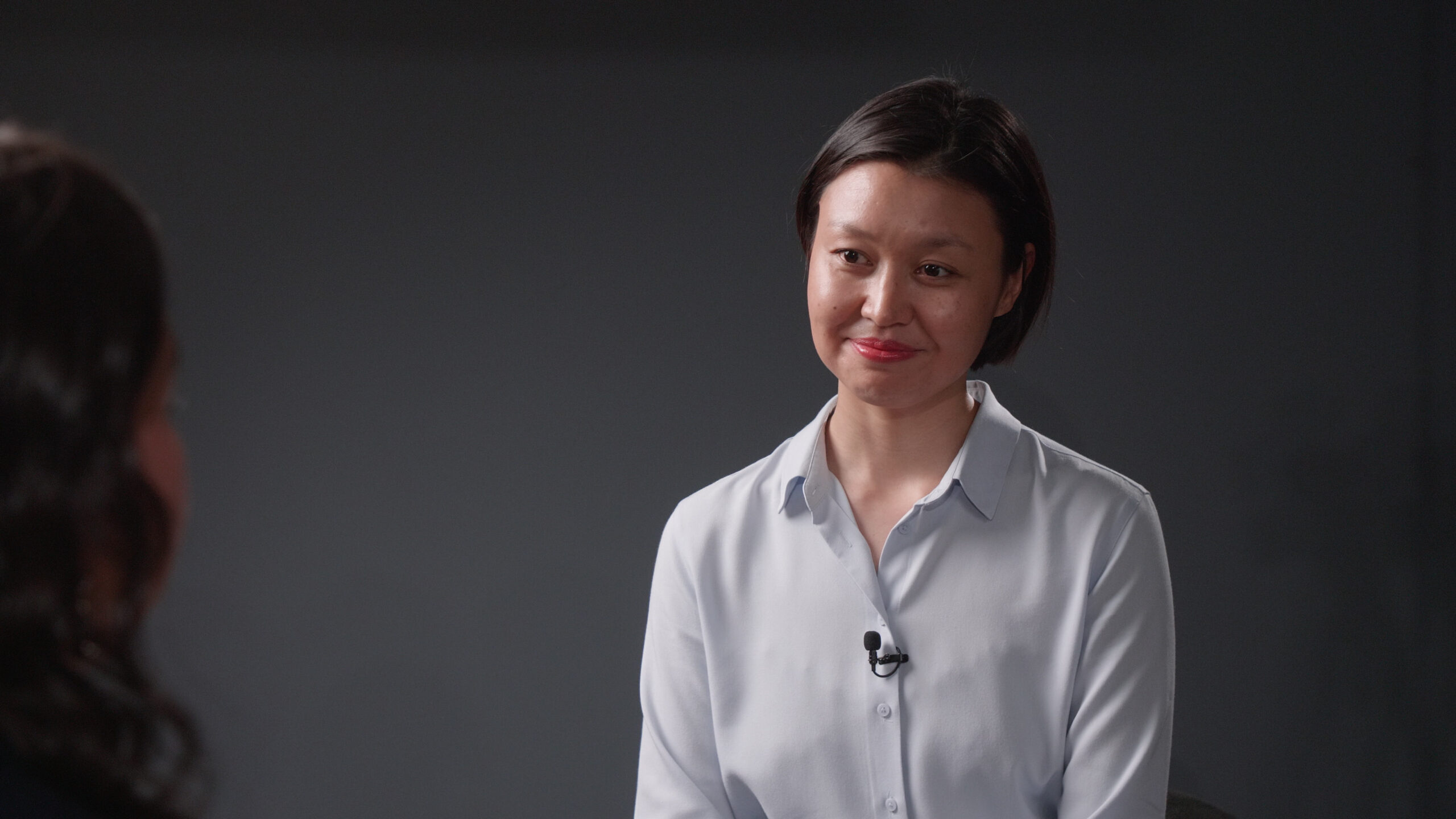
Suleimenova was appointed Special Representative of the President on International Environmental Cooperation in 2023. Photo credit: The Astana Times
Takeaways from COP29 and the road to COP30
A former minister of ecology and one of the country’s most internationally engaged environmental leaders, Suleimenova headed Kazakhstan’s delegation to COP28 in Dubai and COP29 in Baku. According to her, UN climate negotiations are “never easy.”
“What was the decision? The decision was that the developed countries would provide about $300 billion annually. About $1.3 trillion will be mobilized annually in climate financing from different sources by 2035. This is very important because until this moment, the goal was to have about $100 billion in climate financing. We are talking about tripling those resources,” she explained.
“Of course, we might have very different ideas and different visions of certain things. But at the end of the day, I think, the biggest, if I may say, vibe that you get [at COP] is that everyone is understanding we have no time, that acceleration of climate action is extremely important, and that we need to really find the ways how to make that happen,” she said.
At COP29, Zulfiya Suleimenova and Francesco Carvaro, Italy’s special envoy for climate change, served as the High-Level Pair on Transparency.

Assel Satubaldina and Zulfiya Suleimenova during their conversation for The Astana Times YouTube channel. Photo credit: The Astana Times
“We were working with member states on encouraging them to submit their Biannual Transparency Report. The Biannual Transparency Reports, or BTRs, as we call them, might not be very familiar to people who are outside of this climate agenda, to journalists, or the general public,” she said.
Suleimenova explains that these reports are crucial because they reveal where countries stand, who is taking action, and what further action is needed. They help determine whether current efforts and resources are sufficient to meet global climate targets, particularly the goal of staying below a 2-degree Celsius rise by 2050, and ideally within 1.5 degrees Celsius.
Climate action is a marathon
Suleimenova emphasized that meaningful progress depends on shared responsibility and practical solutions, including those in technology transfer and financing opportunities. She frames climate action as a marathon, which is “not finished until everyone has finished.”
“The current projections are not very optimistic; there needs to be very concrete channels and mechanisms which support the ambitions and actions of the countries who are willing to do more,” she said.
“If someone is lagging behind, unfortunately, we all are lagging behind,” she added.
She particularly emphasized the importance of mitigation actions, because if these fail, the financial burden from dealing with adaptation, losses and damages will only grow. In 2024, severe floods devastated parts of Kazakhstan, displacing families, damaging property, and straining both businesses and the budget.
The nature of the climate crisis, she noted, is that these challenges will rise in numbers and intensity.
“Our job is to make sure that, first of all, we create the right instruments and mechanisms, adaptive coping mechanisms, that can help us to minimize this kind of economic losses in the future, that we make sure that we are reducing our own carbon footprint so that to reduce the frequency or the intensity of such events in the future, but also making sure that we have very concrete understanding how we are going to address the losses and damages, especially of the people and of the communities,” she explained.
Leaving no one behind
While data and metrics matter, human-centered climate policies remain at the heart of meaningful and lasting change.
“When we speak about the communities and climate, that actually constitutes a very important debate that is happening around just transition. Because while we are trying to reach our numbers in terms of mitigation, that is reduction of our greenhouse gas emissions, which is critical, while we are having these discussions around the importance of adaptation and doubling the financing in adaptation, what is also very important is that is that we don’t really leave anyone behind,” Suleimenova said.
“We really have to make sure that the policies that we are implementing, or the decisions that we are making, they are not alienating the population and the communities. Because at the end of the day, it is about people, and it is about their livelihood. It is about their everyday life and their families. And we can’t really be doing something differently,” she said.
Kazakhstan is doing its own fair share
“Coming back to Kazakhstan, we have set a very concrete goal of reduction of our greenhouse gas emissions by 15% by 2030 and 25% contingent on the international support and technology transfer,” Suleimenova said.
There are many discussions about the level of ambition, but Suleimenova cautions that one should first understand the context.
“Kazakhstan is a developing country, and we are already setting an absolute greenhouse gas emission reduction goal. This is very ambitious based on the projections and the calculations. Of course, this kind of course will help us to set our further path towards decarbonization,” she said.
The country’s ultimate target is carbon neutrality by 2060, announced by President Kassym-Jomart Tokayev in 2020. Suleimenova said that the strategy is already in place, with a detailed roadmap in the final stages of development.
“This year, we are working on our nationally determined contributions, which are going to be our new ambitions and goals, which will be going towards 2035. Hopefully, we will be able to develop it as an investment plan, so that there is a very clear understanding from the investors and from different actors where we want to go, how we want to go, and how we want to decarbonize the economy,” Suleimenova explained.
Suleimenova emphasized that Kazakhstan understands the importance of a just transition.
“There is actually a very fundamental question: how fast we can go forward with climate policy? We can go very fast, but then we can be leaving people behind,” she added.
If a country seeks long-term support and genuine change, it should prioritize people’s needs, including job creation, opportunities, and fairness. That takes more time, she noted, but it builds lasting results.
Cooperation is critical
While Kazakhstan is doing its part, she stresses that global cooperation remains the cornerstone of change. The One Water World Summit, hosted jointly with France, and the upcoming Regional Ecological Summit in 2026, are how Kazakhstan is spearheading environmental diplomacy.
“We also understand that really dealing with climate, especially mitigation actions, also requires a regional approach, because, regionally, it is more manageable and more and more efficient to deliver very concrete results. That is the reason why the President has announced the initiative to hold the Regional Ecological Summit in partnership with the United Nations and other international organizations in 2026,” Suleimenova said.
Watch the full interview on The Astana Times YouTube channel.
