
ASTANA – Kazakhstan’s vast landscapes, spanning from the steppe to the mountains, harbor a wealth of biodiversity. Located at the crossroads of Eurasia, the country is home to rare species found nowhere else. Like much of the world, Kazakhstan faces mounting pressures from climate change, habitat loss, and human activity.
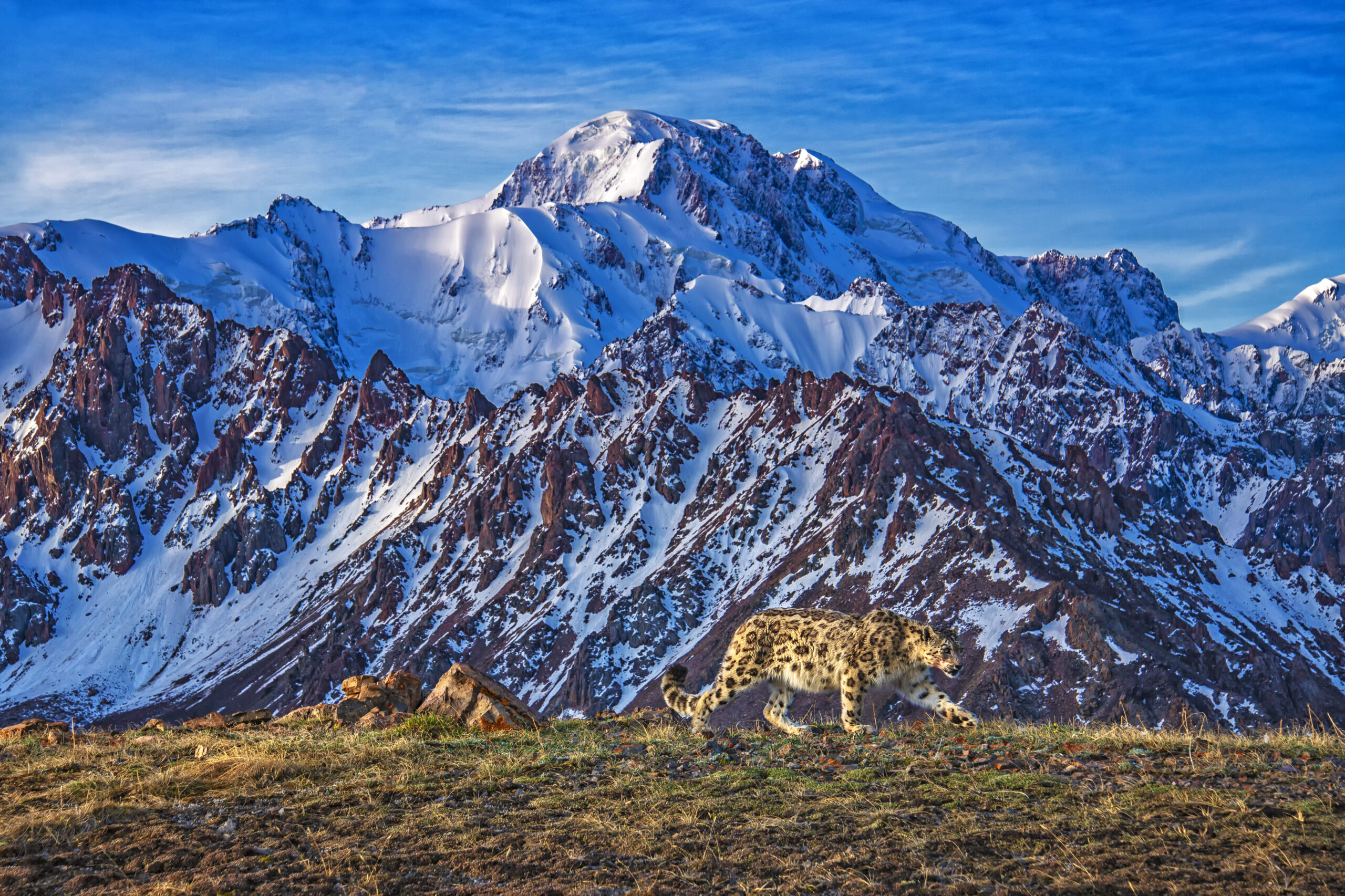
Photo credit: Saltore Saparbayev
As global attention turns toward preserving biodiversity, Kazakhstan is updating one of its most critical conservation tools: the Red Book of Kazakhstan. For the first time in 15 years, the country is revising this official list of endangered species, drawing on two decades of research.
The Red Book of Kazakhstan, first published in 1978, holds legal status. Changes to the list are regulated by government decree, making it a powerful tool for driving conservation efforts.
According to the Institute of Zoology, which leads the update, the new edition proposes removing 21 species that have recovered sufficiently and adding 11 more in need of protection.
In total, the fifth edition will cover 217 animal species and subspecies, comprising 135 vertebrates and 82 invertebrates. Each listing includes detailed data on population size, habitat range, threats, and recommended conservation actions.
Protected areas drive conservation success
Kazakhstan’s strategy for protecting rare species has relied heavily on creating specially protected natural areas, a method recognized globally as one of the most effective conservation tools. Since gaining independence, Kazakhstan has expanded specially protected natural areas from 869,000 hectares to more than 30.9 million hectares.
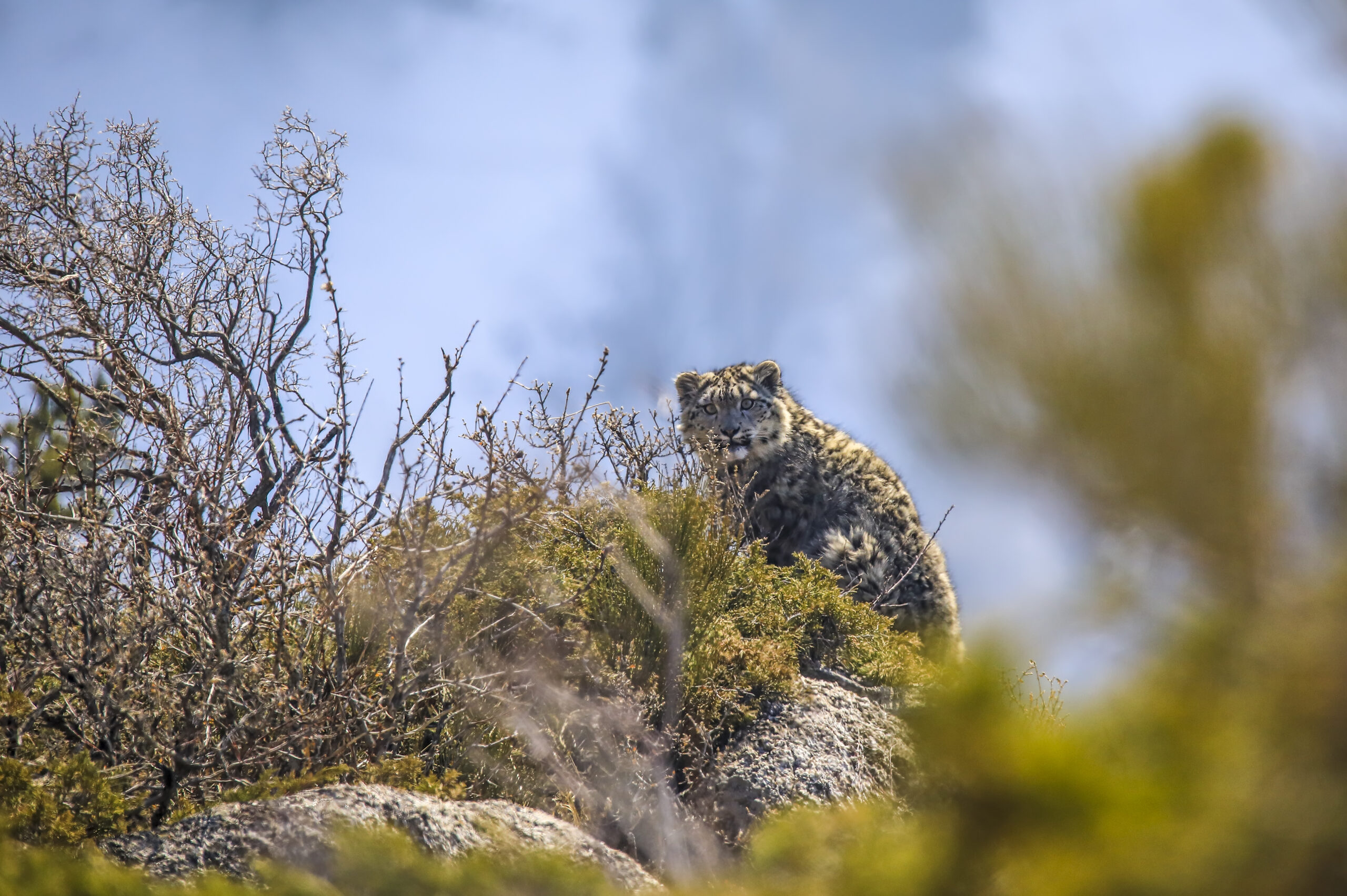
Around 70% of snow leopard live in protected zones. Photo credit: Saltore Saparbayev
Population surveys of large mammals and birds now incorporate modern technologies, including drones, camera traps, and satellite telemetry. For herd animals such as the saiga, aerial surveys remain the standard. However, much of the work still relies on ground-based surveys, which require significant manpower and coordination across government bodies.
Despite progress, institutional fragmentation continues to be a challenge. The Forestry and Wildlife Committee, which oversees conservation programs, reports to the Ministry of Ecology and Natural Resources, while the Institute of Zoology, which manages the Red Book, reports to the Ministry of Higher Education and Science. Fisheries fall under the Ministry of Agriculture, complicating unified efforts to protect species across ecosystems.
Saiga recovery: a global model
One of Kazakhstan’s most celebrated conservation stories is the saiga antelope. Poaching in the late 20th century devastated the population, primarily for their horns, used in traditional Chinese medicine. By 2003, only 21,000 remained.
Government protection measures and international partnerships reversed the trend. By 2023, saiga numbers had soared to 1.915 million. Forecasts for late 2023 estimated the population at 2.6 million, including more than 1.5 million in the Ural population.
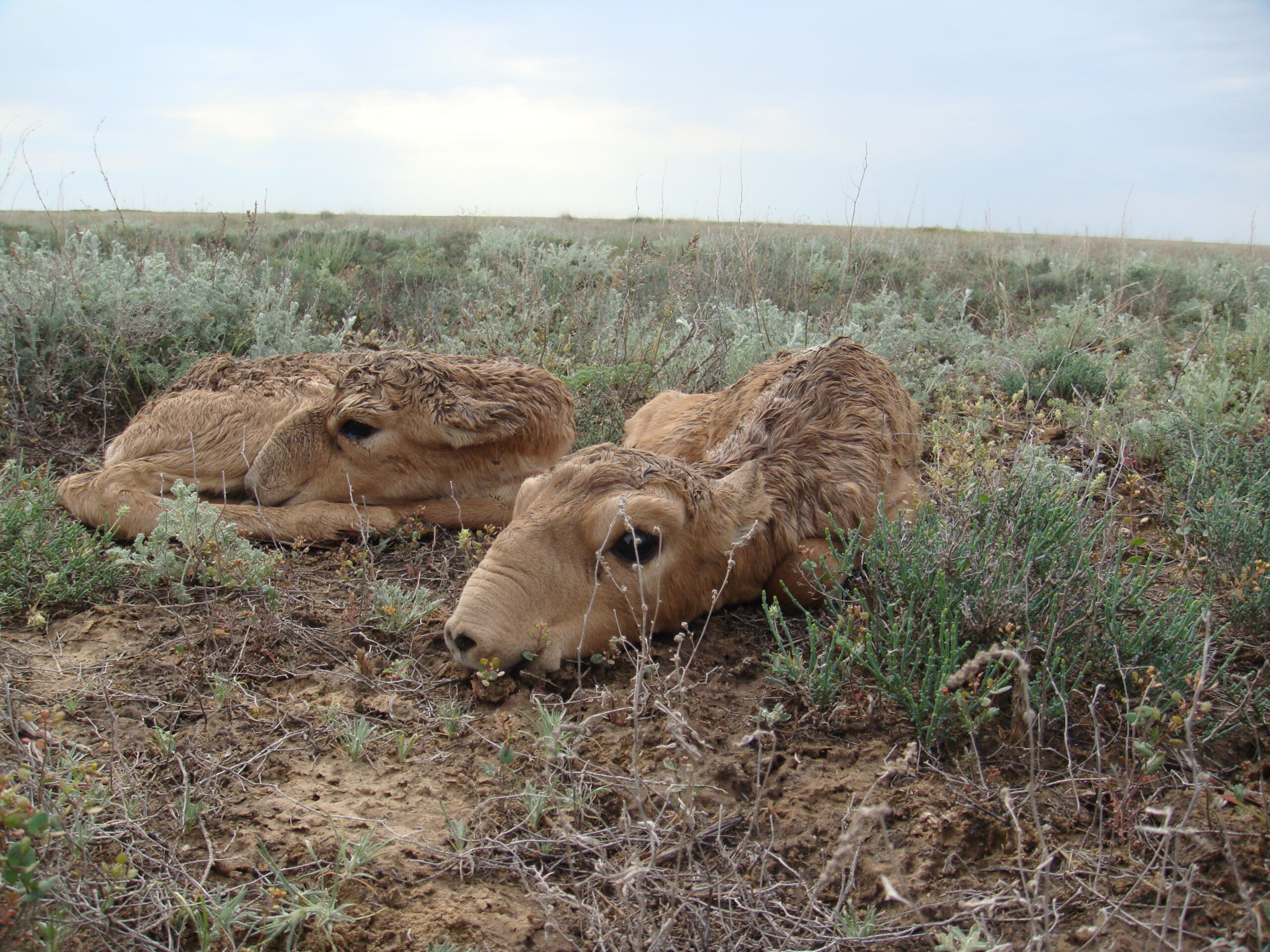
For 20 years, the Altyn Dala Initiative has worked to protect Kazakhstan’s wildlife, helping the saiga population recover. Photo credit: Altyn Dala Conservation Initiative
For 20 years, the Altyn Dala Conservation Initiative has worked to protect Kazakhstan’s wildlife. Its efforts have helped to rebound the saiga population to nearly four million.
The International Union for Conservation of Nature (IUCN) recognized this achievement by reclassifying the saiga from critically endangered to near threatened in 2023.
However, the saiga’s success has sparked new tensions. Farmers say the animals damage crops and overgraze pastures. Balancing wildlife conservation with agricultural livelihoods has become a major policy challenge.
Legalizing trade in saiga meat and horns is being discussed as a way to both manage the population and create economic opportunities, though strict controls are needed to prevent a resurgence in poaching. In June, Kazakhstan donated 1,500 saiga antelopes to China for resettlement in the country’s western regions.
Snow leopard comeback
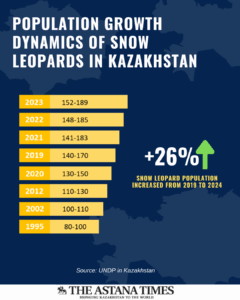
Kazakhstan’s snow leopards, once reduced to just 80–100 individuals by 1995, have also made a steady recovery. This progress is driven by ecosystem restoration, stronger wildlife protection laws, and the use of new monitoring technologies in protected areas.
According to the United Nations Development Programme (UNDP), Kazakhstan’s snow leopard population increased by 26% between 2019 and 2024, from 140 to 170 individuals to 152 to 189. Around 70% of them now live in protected zones.
 Since 2004, UNDP has implemented 12 biodiversity projects in the country, with five more currently underway. One key initiative launched by the Global Environment Facility in 2018 has supported the conservation of forest ecosystems and wildlife, including efforts to preserve snow leopard habitats and their prey species.
Monitoring tools have helped deepen understanding of the species. Between 2021 and 2023, satellite collars were fitted on 11 snow leopards in the Northern and Central Tien Shan. The data mapped their cross-border migration routes, helping scientists and policymakers improve conservation strategies.
Camera traps recorded a snow leopard in the Zhambyl Region in 2019, and in 2021, scientists discovered a breeding group in Altyn Emel National Park, where the species had previously been thought to be extinct. The return is credited to land protection, prey restoration, and ecosystem recovery. Today, 294 camera traps and 28 thermal imagers are in use across 14 pilot protected areas for continuous, weather-resilient monitoring.
The UNDP and Kazakhstan are working to establish six new protected areas, totaling over 1.6 million hectares, and to expand three others by more than 214,000 hectares. A new Merke Regional Nature Park is also in the works to safeguard snow leopard populations in the Zhambyl Region.
The organization is also implementing the Biodiversity Conservation and Sustainable Use Concept through 2035, which includes improving land-use planning, enhancing the resilience of mountain ecosystems, and supporting the Caspian region, which faces sea-level decline and pollution.
Rewilding kulans and Przewalski’s horses
Kazakhstan’s reintroduction projects also extend to herbivores. In 1960, 14 kulans were brought to Barsakelmes Island in the Aral Sea. Their numbers have grown to more than 4,600, with many living in Altyn Emel National Park.
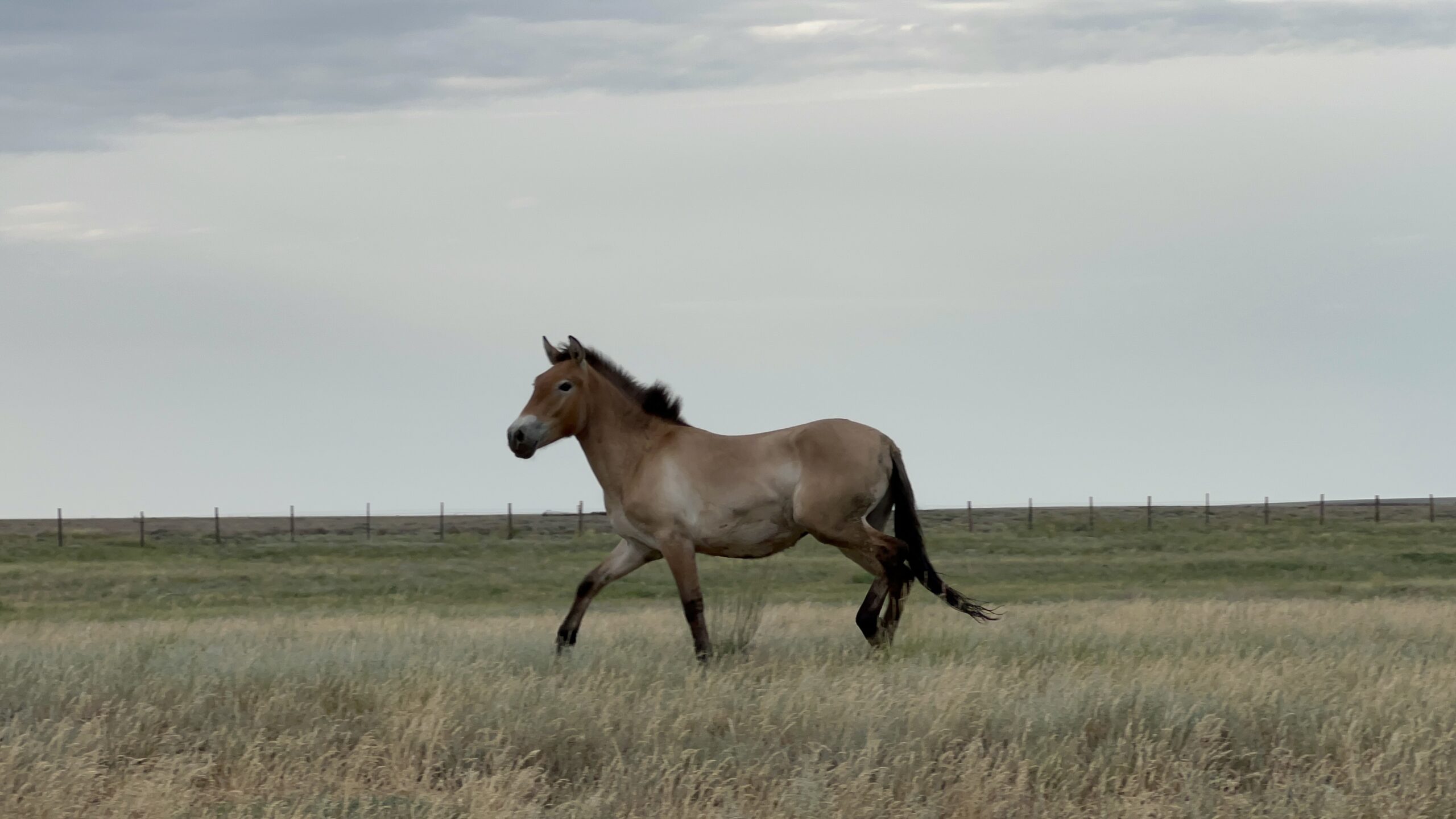
Przewalski’s horses are the last truly wild horses native to the steppes of Kazakhstan, Mongolia, and China. Photo credit: Nagima Abuova/The Astana Times
Przewalski’s horses, extinct in the wild for decades, are being reintroduced to Kazakhstan’s steppes. The first seven horses arrived from the Prague Zoo in 2024, followed by another group in 2025. The plan is to reestablish a stable population of around 45 horses by 2029.
Last year, two Amur tigers were transported from the Netherlands to the Ile-Balkhash State Nature Reserve in the Almaty Region to revive the wild tiger species. Currently, three or four tigers are expected to be brought from the wild in Russia.
Ecosystem threats persist
Despite conservation successes, Kazakhstan’s ecosystems face accelerating degradation. Climate change, water diversion for agriculture, forest fires, and the expansion of farmland and cities are eroding natural habitats.
“The expansion of agriculture, urbanization, and industry destroys natural habitats, leaving many species without the ecosystems they need to survive,” said Annel Amengeldi, an environmental activist and manager of the Eco Steppe project, in an interview with The Astana Times.
She highlighted that in response, a growing number of eco-activists in Kazakhstan are launching grassroots initiatives. Their projects focus on raising environmental awareness, preserving biodiversity, managing waste, planting trees and cleaning natural springs.
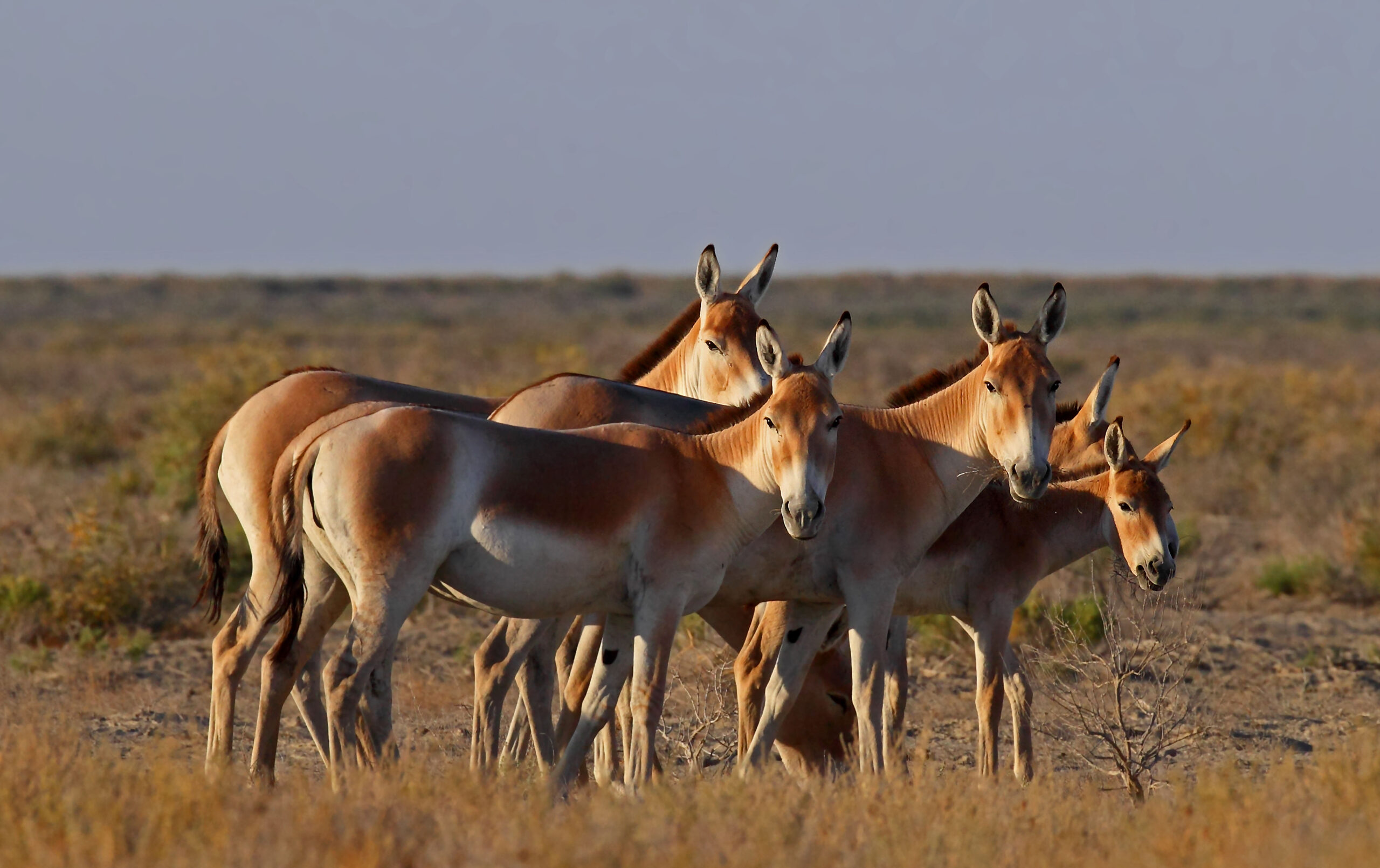
Currently, the kulan population has grown to more than 4,600, with many living in Altyn-Emel National Park. Photo credit: Oleg Bilyalov
Amengeldi said the biggest challenge facing these projects is funding.
“The government is trying to support such efforts through grants. Previously, the Ministry of Culture and Information awarded ten small grants of up to 300,000 tenge (US$580) each to support volunteer-led projects addressing local challenges, including environmental issues. This year, the grant size increased to one million tenge (US$1,935),” she said.
She added that the increase in funding shows the government’s growing recognition of the importance of such initiatives and its commitment to creating more opportunities for local action.
