
ASTANA – Kazakhstan reached an agreement with the European Union (EU) on July 29 to allow the continued transit of its coal exports to Europe, despite the EU’s ongoing sanctions against Russia, the Trade and Integration Ministry reported.
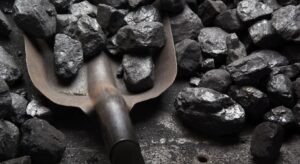
Photo credit: inbusiness.kz
This was achieved following months of negotiations caused by the 16th EU sanctions package adopted in February, which banned transactions with several Russian ports. For example, the port of Ust-Luga has historically been used as a key transit point for Kazakh coal to Europe.
To resolve the situation, the ministry, in cooperation with the Foreign Ministry and the country’s Mission to the EU, initiated dialogue with European partners. An official request was submitted to the European Commission to make appropriate changes to the EU sanctions regime.
As a result, the EU amended its 18th sanctions package to introduce an exemption for Kazakh coal. The exemption permits the use of specific Russian ports for coal transit under strict conditions: the coal must be exclusively of Kazakh origin; ownership of the cargo must belong to non-residents of the countries to which restrictive measures apply; and the ports may only serve as transit points for loading or dispatch, without the purchase or production of goods on its territory.
In 2022, the EU accounted for 45% of Kazakh coal exports, or 4.4 million tons worth $419.2 million. This share grew to 54.3% or 6.1 million tons worth $382 million in 2023, then decreased in 2024 to 51.8% or 5.2 million tons worth $312.5 million.
In January-May 2025, Kazakhstan exported 1.6 million tons of coal to the EU worth $82.9 million, or 38.5% of total coal exports.
Despite a temporary decline in volume, the new EU exemption is expected to restore Kazakh coal supplies and enhance the sustainability of logistics routes.
