
ASTANA – The 20th Asian Games opened in Japan on Sept. 19, bringing together thousands of the continent’s top athletes. Kazakhstan is represented by 558 athletes competing in 35 of the 43 sports on the program, reported the Ministry of Tourism and Sports.
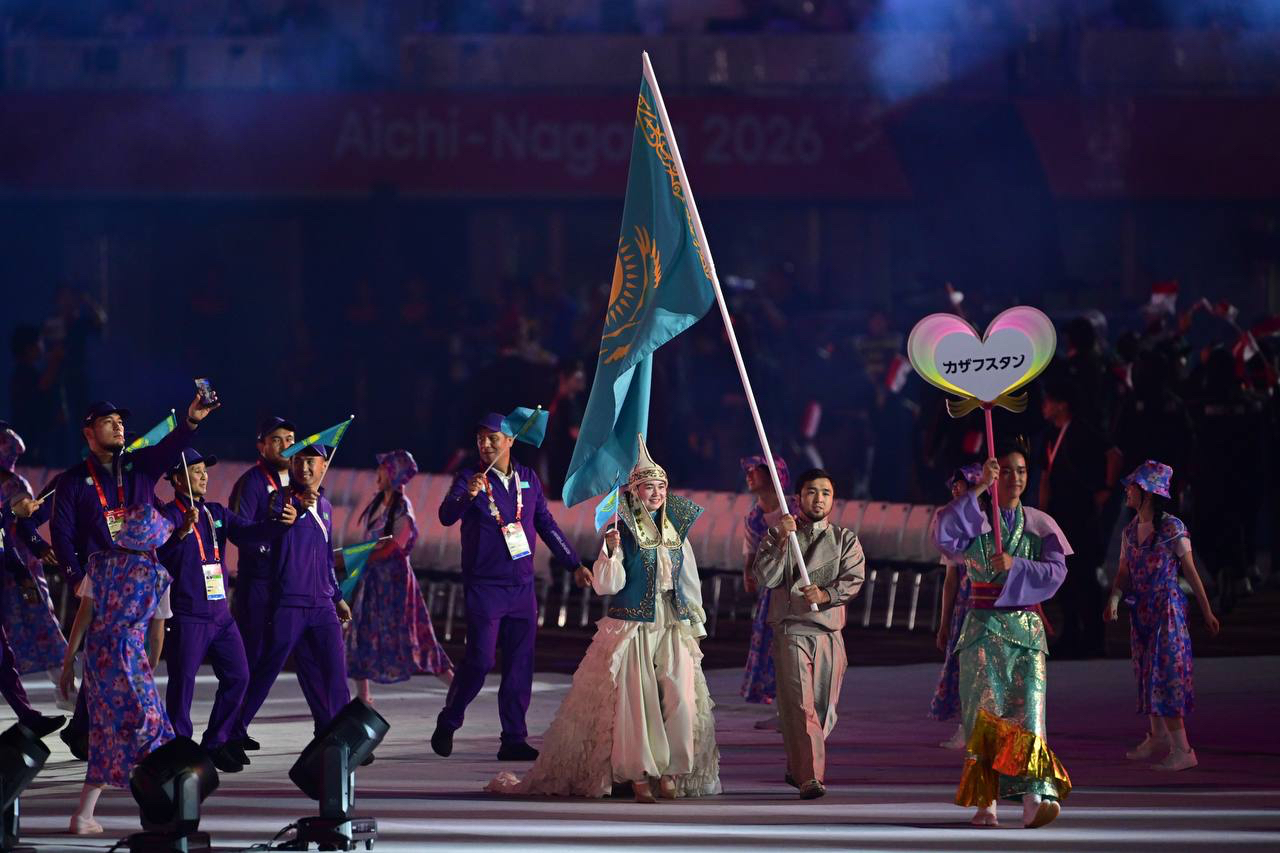
At the opening of the Games on Sept. 19. Photo credit: Kazakh Ministry of Tourism and Sports
The opening ceremony was held in Aichi Prefecture and Nagoya, and the Games run through Oct. 4.
More than 15,000 athletes are expected to compete for medals in 469 events across 43 sports, spanning both Olympic and non-Olympic disciplines. Several competitions will also count toward qualification for the 2028 Olympic Games, either by awarding direct quota places or points toward Olympic rankings.
Paris 2024 Olympic judo champion Yeldos Smetov and national table tennis team member Sarvinoz Mirkadirova carried the Kazakh flag at the opening ceremony. Smetov is a three-time Olympic medalist, having also won silver at the 2016 Rio Games and bronze at Tokyo 2020, while Mirkadirova is a multiple Kazakh champion and medalist on the WTT Feeder circuit.
Mirkadirova and Smetov bear the Kazakh flag at the opening ceremony. Photo credit: Kazakh Ministry of Tourism and Sports
The scale of Kazakhstan’s delegation reflects a broader push ahead of the Games to strengthen the national team system. The ministry said foreign specialists with international experience and modern training methods had been brought into the preparation process, with the longer-term goal of developing domestic coaching expertise as well as improving results at major international competitions.
The country won 80 medals, including 10 gold, 22 silver and 48 bronze, at the previous Asian Games in Hangzhou, finishing 11th in the medal standings. Ahead of the competition in Japan, the ministry has set a target of 99 medals. Meeting that goal will depend on sports in which Kazakhstan has traditionally been competitive in Asia, including boxing, wrestling, judo, fencing and shooting. But several of the country’s leading medal contenders arrive in Japan with another layer of pressure, according to the National Olympic Committee press office. Many will be facing opponents they already know from Olympic finals, world championships and previous Asian Games.
Familiar rivals
One of the examples comes in men’s team épée, where Kazakhstan and host Japan have developed one of the continent’s strongest fencing rivalries.
Japan beat Kazakhstan in the semifinals of the 2018 Asian Games, while Kazakhstan took silver and Japan gold at the following edition. A few years later in the semifinals of the 2025 world championships, Japan edged Kazakhstan 42-41 before going on to win the title.
A year later, Kazakhstan won its first men’s team épée world championship, defeating Ukraine 45-40 in the final. It also won the 2026 Asian championship, with Japan finishing second.
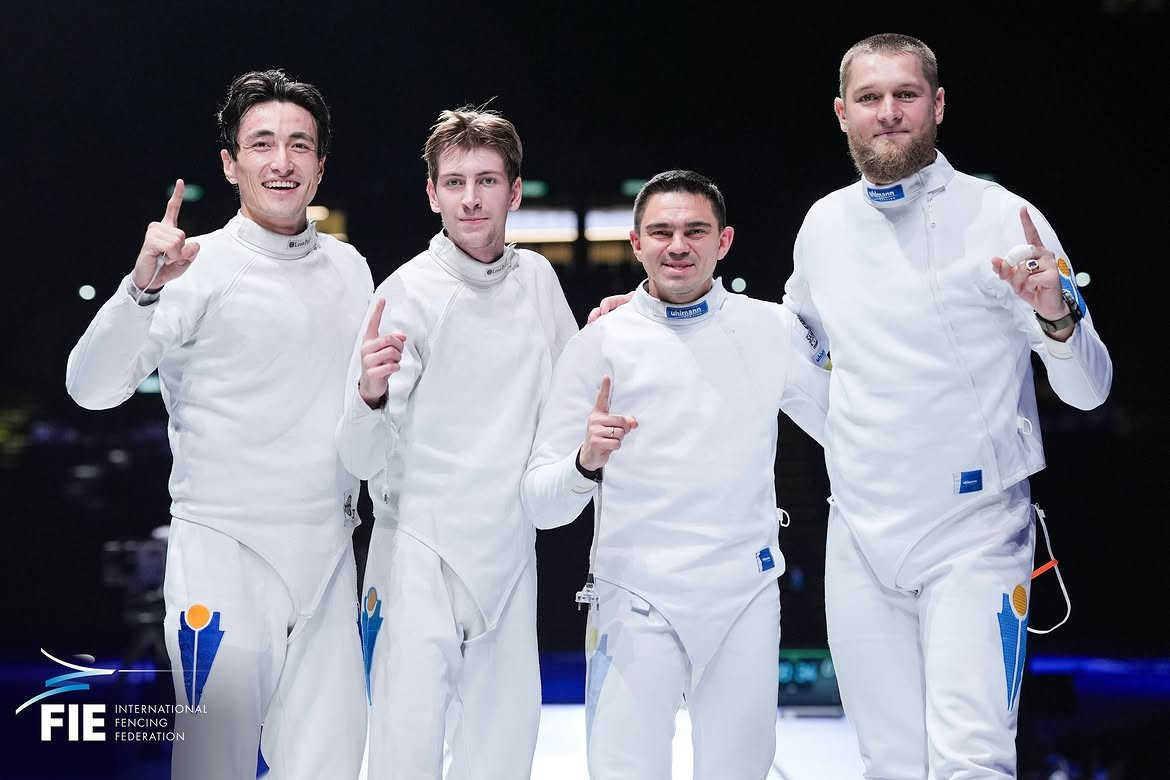
Men’s team épée from Kazakhstan. Photo credit: International Fencing Federation
That means the two teams arrive at the Asian Games as winners of the past two world championships.
Boxing
Boxing brings another major regional test, particularly against Uzbekistan.
Kazakhstan finished first at the inaugural World Boxing Championships in Liverpool in 2025 with seven gold medals, while Uzbekistan won six. Kazakh and Uzbek male boxers won in 10 weight categories at the tournament, setting up the possibility of several high-profile rematches in Japan.
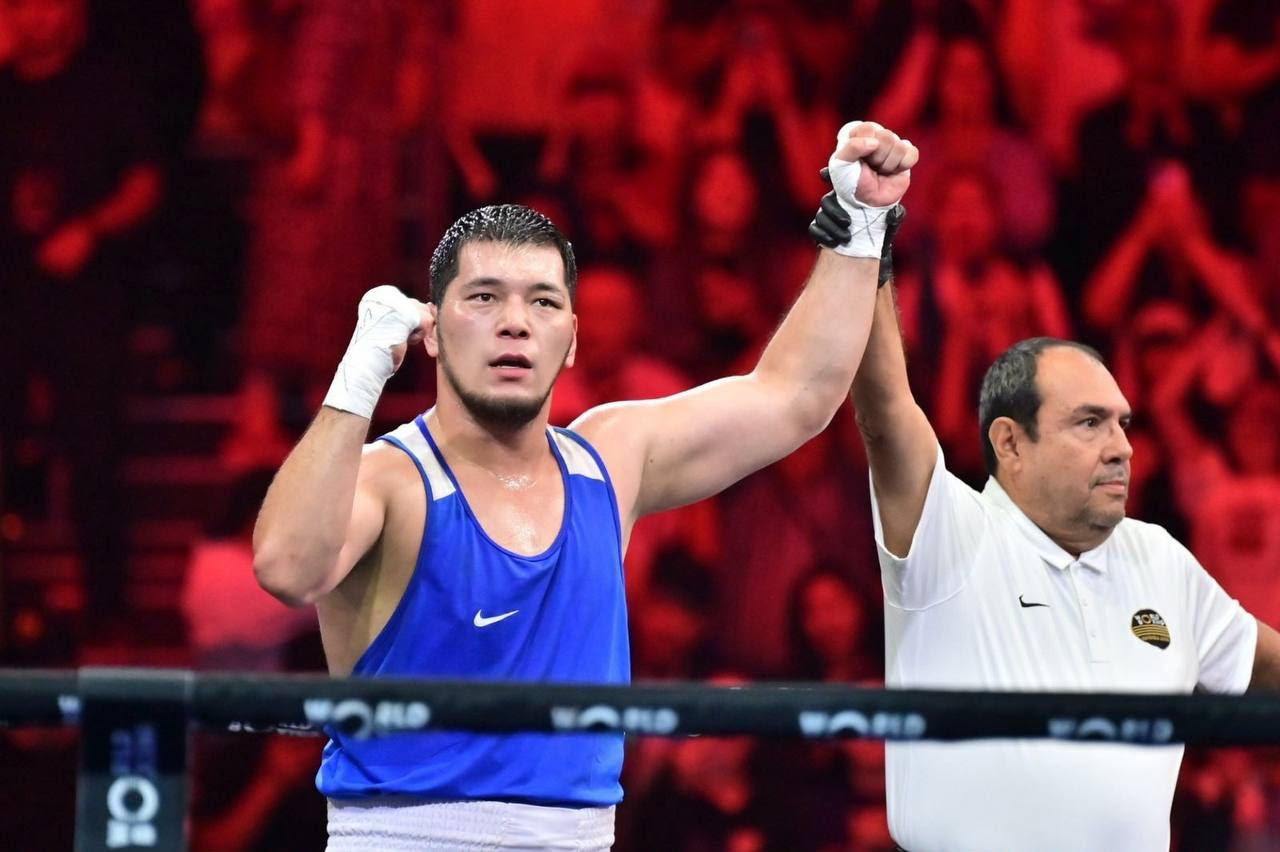
Aibek Oralbay. Photo credit: olympic.kz
Among them is Aibek Oralbay, who defeated Uzbekistan’s Jakhongir Zokirov in the over-90-kilogram final in Liverpool.
Aida Abikeyeva could also renew her rivalry with Uzbekistan’s Navbakhor Khamidova after the pair finished first and second at major international events over the past year.
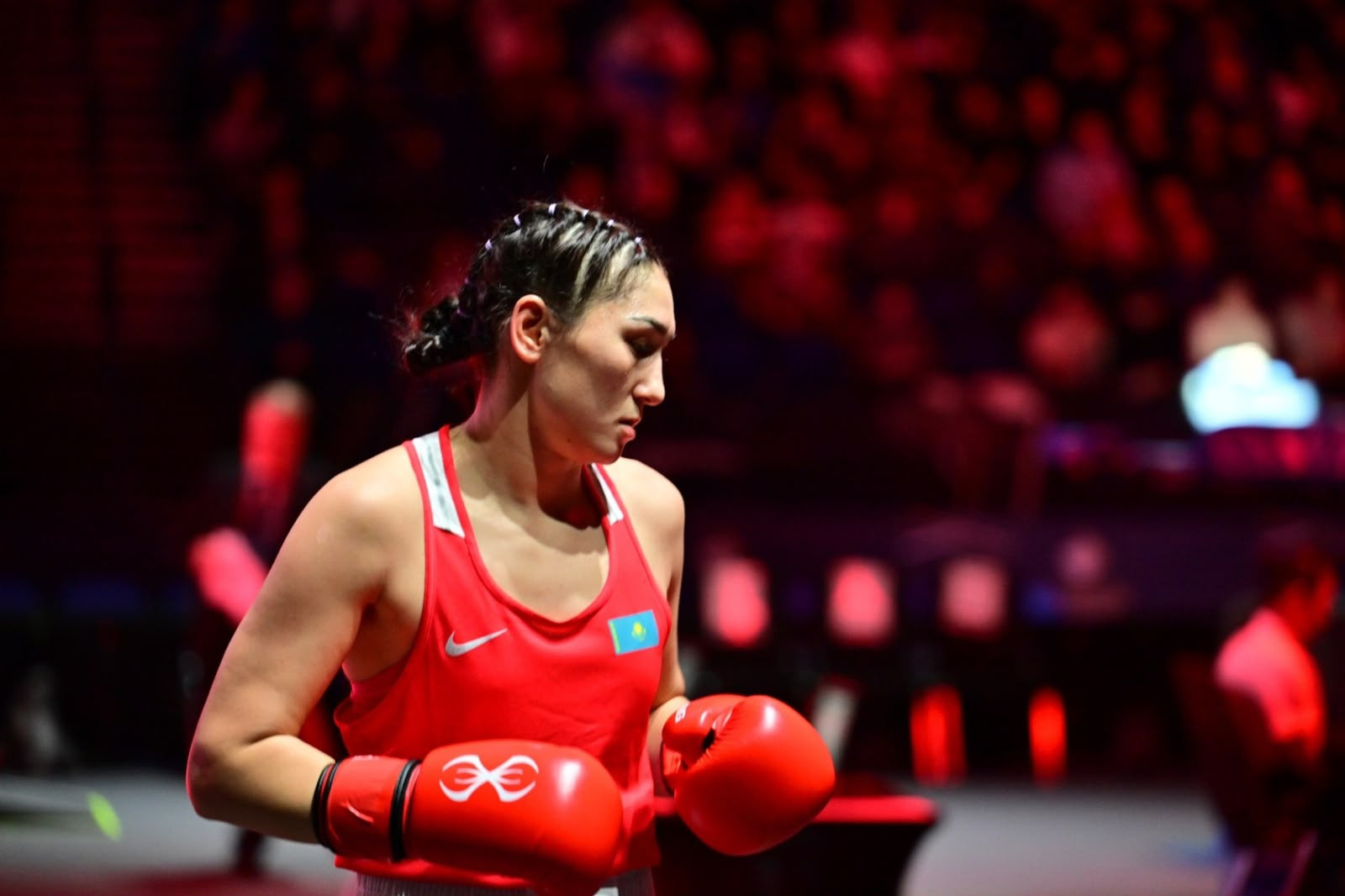
Aida Abikeyeva. Photo credit: olympic.kz
Torekhan Sabyrkhan could again face Japan’s Sewonrets Okazawa after defeating him in the 70-kilogram world championship final in Liverpool.
Another major Kazakh medal contender is Nazym Kyzaibay, one of the most decorated athletes on the team. The Paris 2024 Olympic bronze medalist has repeatedly reached the podium at major international tournaments and took silver at the 2025 world championships while competing in the 48-kilogram division.
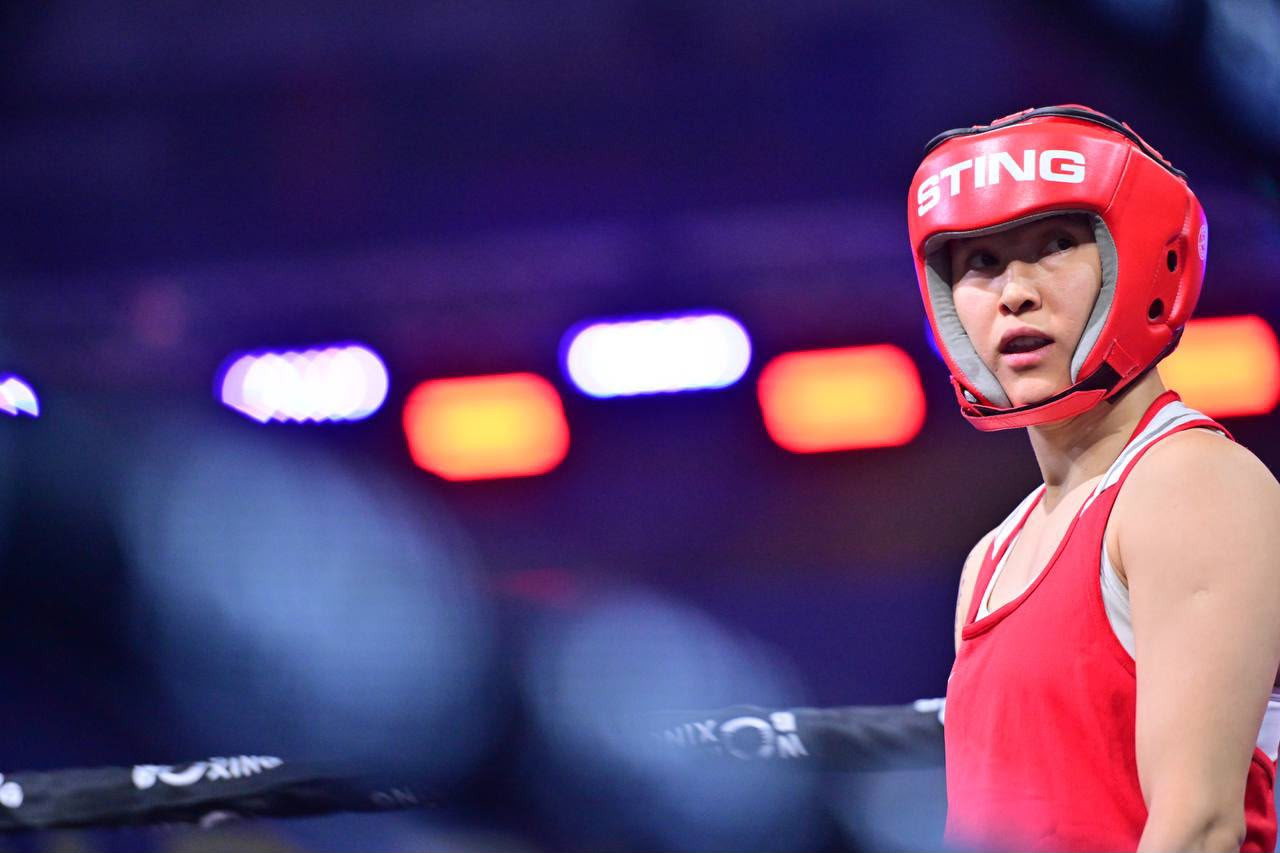
Nazym Kyzaibay. Photo credit: olympic.kz
In Nagoya, Kyzaibay moves up to 54 kilograms, where she faces a particularly strong field. Her potential rivals include reigning world champion Huang Hsiao-wen of Chinese Taipei, Paris Olympic silver medalist Pang Chol-mi of North Korea, South Korea’s Olympic bronze medalist Im Ae-ji and Japan’s Tokyo Olympic bronze medalist Tsukimi Namiki.
Namiki also has a history with Kyzaibay: the Japanese boxer defeated her in the semifinals of the 2022 Asian championships, giving a potential meeting in Nagoya the added dimension of a rematch.
Olympic champions
Kazakhstan also brings considerable experience into the judo competition.
Smetov, the reigning Olympic champion in the 60-kilogram division, could again face Chinese Taipei’s Yang Yung-wei. Yang won silver at the Tokyo Olympics and gold at the previous Asian Games, while Smetov defeated him in the Paris 2024 Olympic quarterfinals on his way to the title.
Smetov is himself a former Asian Games champion, having won gold in Incheon in 2014.
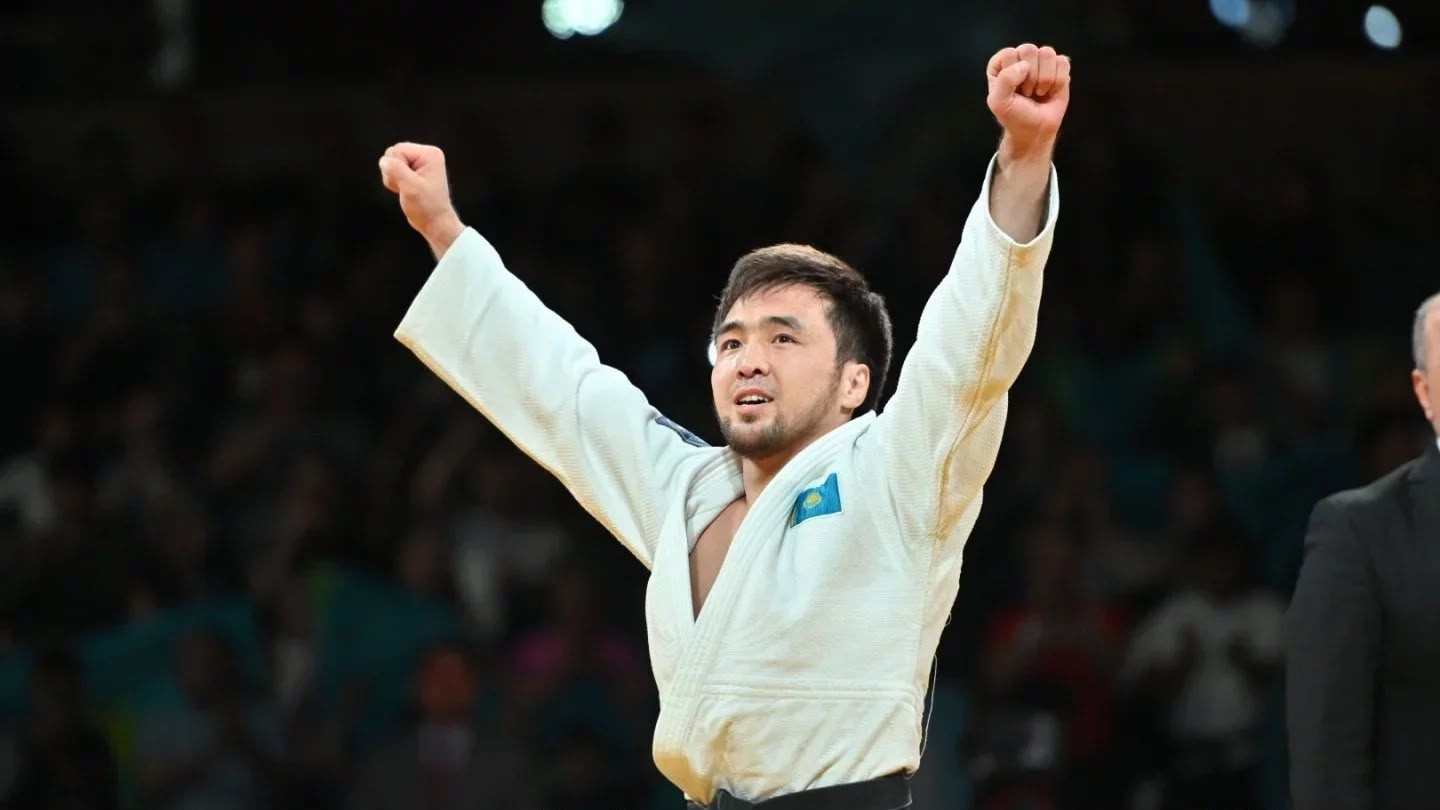
Yeldos Smetov. Photo credit: olympic.kz
Abiba Abuzhakynova gives Kazakhstan another strong medal opportunity in judo. She won silver at the previous Asian Games and has since added bronze at the 2024 world championships and silver in 2025, giving her three senior world championship medals.
Some of Kazakhstan’s most intriguing contests could come against Japanese athletes competing before a home crowd.
In Greco-Roman wrestling, Demeu Zhadrayev could meet Japan’s Nao Kusaka in a rematch of the Paris Olympic final. Zhadrayev took an early lead back then before Kusaka came back to win 5-2 and claim Olympic gold. Both return in the 77-kilogram division in Japan.
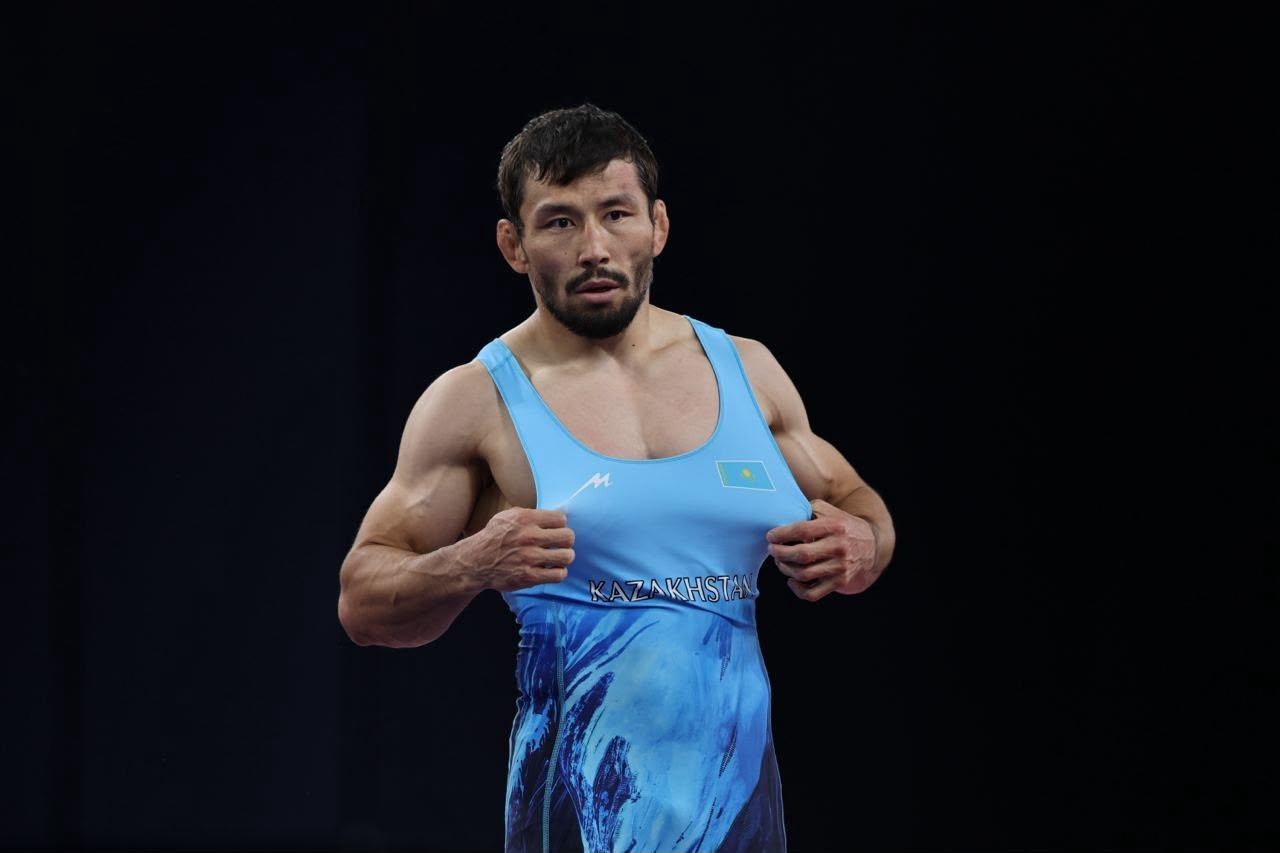
Demeu Zhadrayev. Photo credit: olympic.kz
In breaking, Amir Zakirov could renew his rivalry with Japan’s Shigekix, or Shigeyuki Nakarai. Zakirov beat the Japanese star at the Breaking for Gold World Series in Kitakyushu in 2023, while Shigekix later won Asian Games gold in Hangzhou and became world champion in 2025. Both also competed at the Paris Olympics.
Medal chances
Kazakhstan’s medal ambitions extend beyond its traditional strengths in boxing, wrestling and judo.
Skeet shooter Assem Orynbay enters the Games after beating China’s Jiang Yiting at the World Cup in Almaty in May, where Orynbay hit 33 targets in the final, equaling the world record.
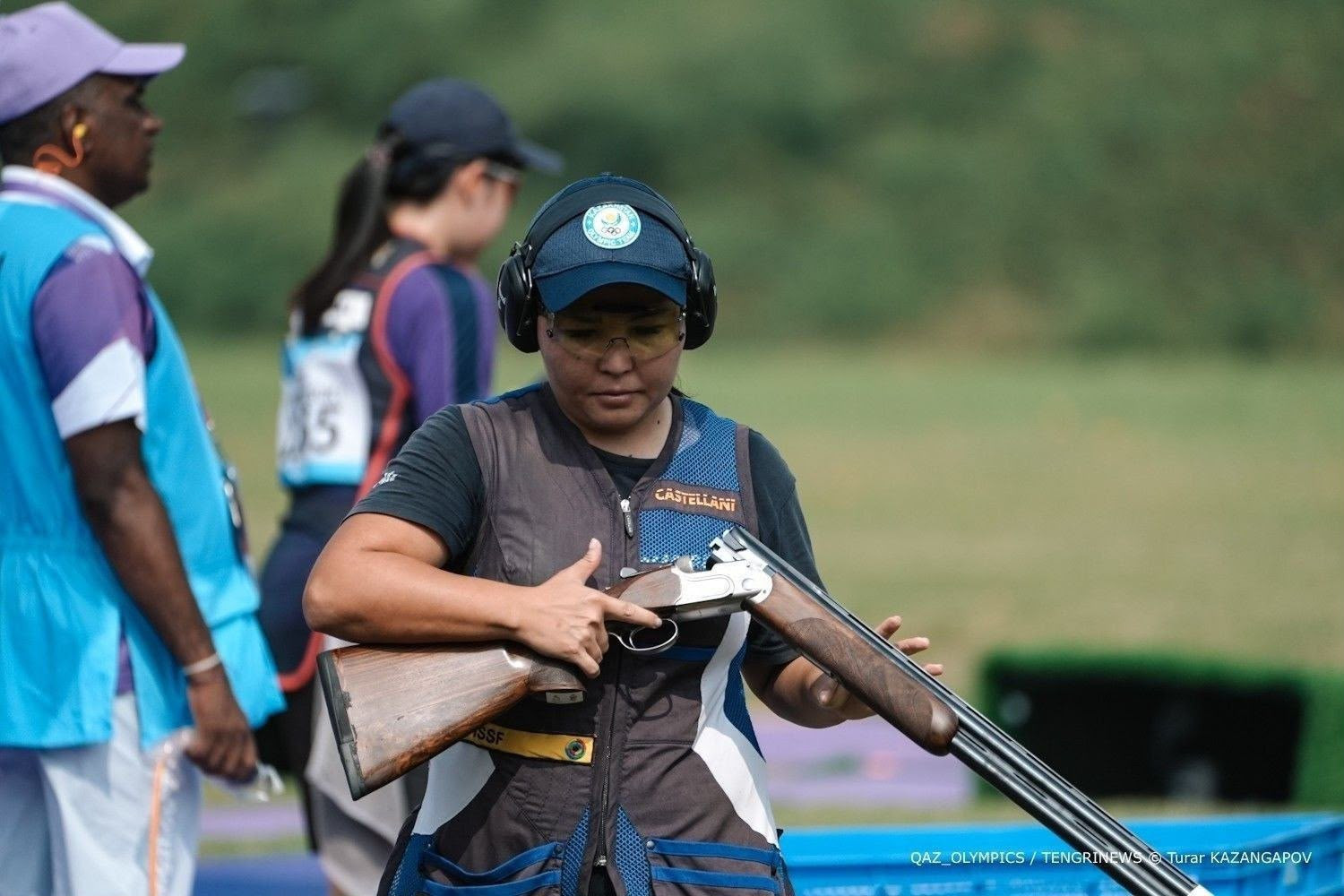
Assem Orynbay. Photo credit: olympic.kz
In athletics, former world champion Norah Jeruto could line up against Bahrain’s Olympic champion Winfred Yavi in the women’s 3,000-meter steeplechase. Yavi won the world title in 2023 and Olympic gold in Paris, while Jeruto was world champion in 2022.
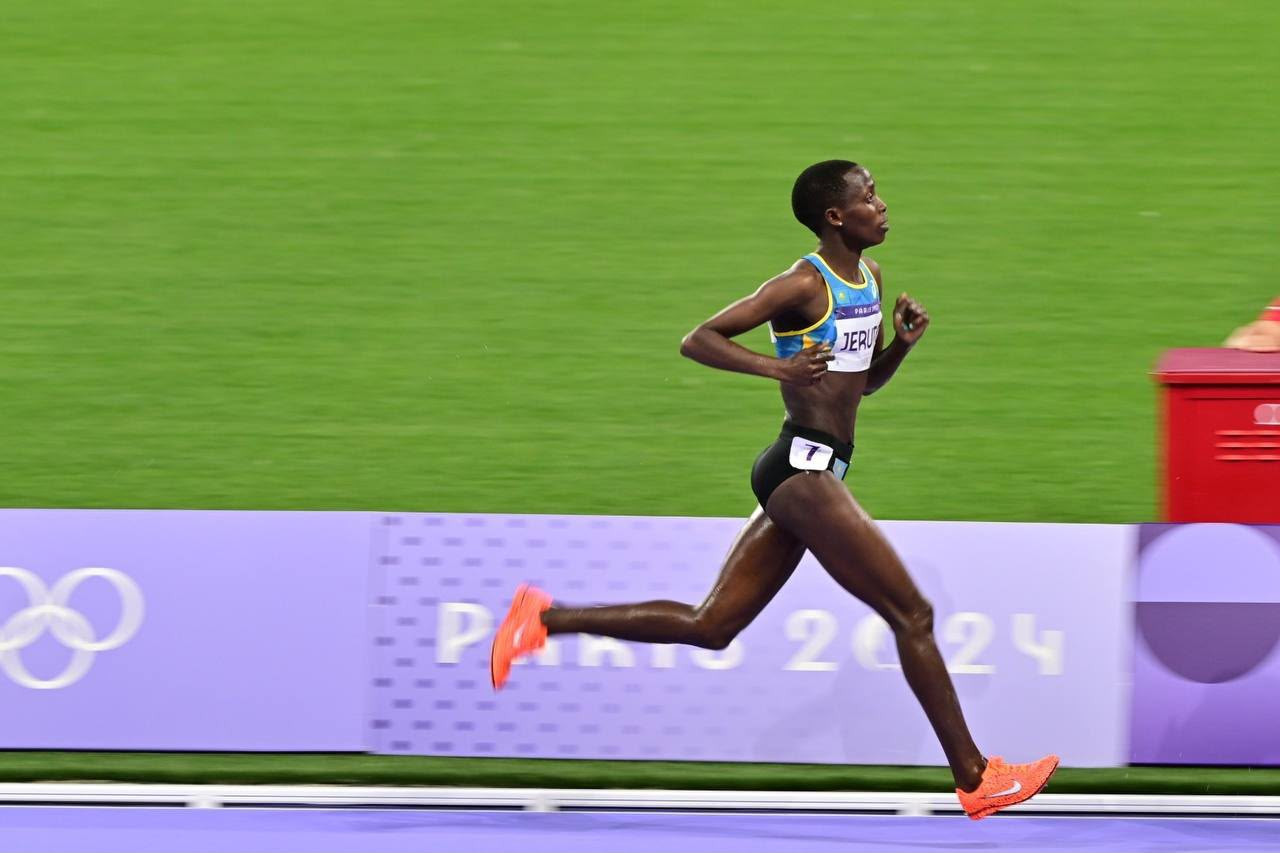
Norah Jeruto. Photo credit: olympic.kz
Rhythmic gymnast Akmaral Yerekesheva arrives after a breakthrough first senior season. She won three medals at the 2026 Asian championships and finished sixth in the all-around at the world championships, putting her among Kazakhstan’s emerging medal prospects in Nagoya.
The men’s water polo tournament carries another long-running rivalry.
Kazakhstan won six Asian Games titles between 1994 and 2018, including one-goal victories over Japan in the finals in both 2014 and 2018. Japan reversed the balance in Hangzhou, beating Kazakhstan 15-13 in the group stage before winning gold, while Kazakhstan finished with bronze.
The two sides are drawn together again and are scheduled to meet Sept. 26.
Olympic Games official website describes China, Japan and South Korea as “three traditional powerhouses at the Asian Games.”
“Those three National Olympic Committees have won the most gold medals between them at every single Asian Games since 1978, with 1974 the last time one of those three NOCs did not win at least the third-most gold medals at the Games,” reads the website.
