
ASTANA — Kazakhstan’s capital Astana is shaped by rapid development, open steppe geography and extreme seasonal changes. For first-time visitors, understanding how the city functions, especially in winter, can help set realistic expectations.
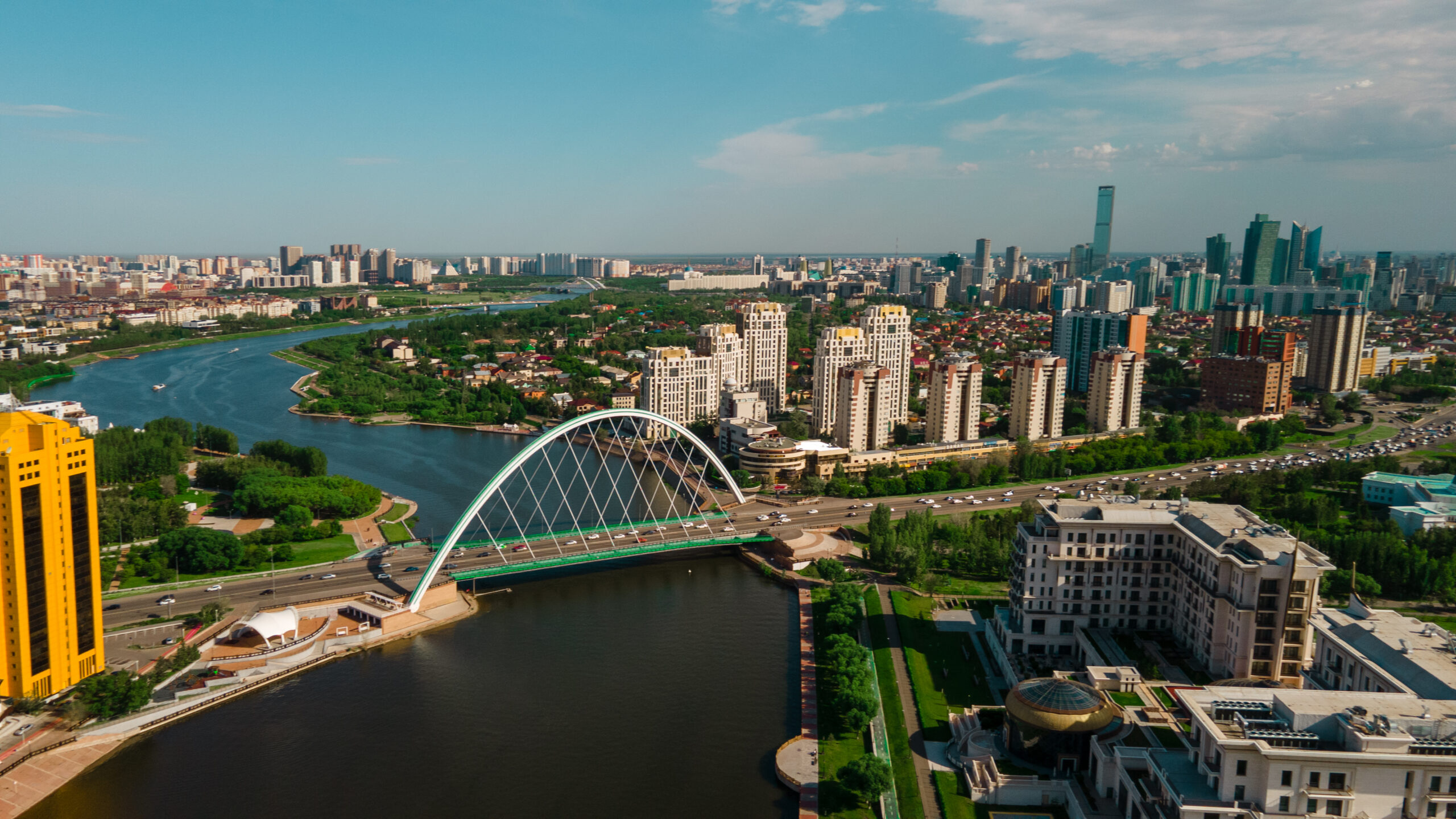
Photo credit: The Astana Times
Arrival and getting around
Astana International Airport is located approximately 17 kilometres from the city center. Ride-hailing apps such as Yandex Go and Uber operate in the city and allow visitors to order taxis at fixed rates through the app. Using these services is generally considered more transparent and predictable than accepting rides from drivers offering services inside the terminal.
Visitors may also download the 2GIS mobile app, widely used in Kazakhstan for navigation. The app provides detailed city maps, public transport routes and bus schedules, making it easier to understand how to get around.
Public buses connect the airport to the central districts. Travel time can vary depending on traffic and weather conditions.
One of the youngest capitals in the world
Astana is one of the world’s youngest capitals. In 1997, Kazakhstan moved the capital from Almaty, the country’s largest city, to a small town, then known as Akmola. The strategic decision let many parts of the city grow almost from scratch, and its population to surpass one million in just a few decades.
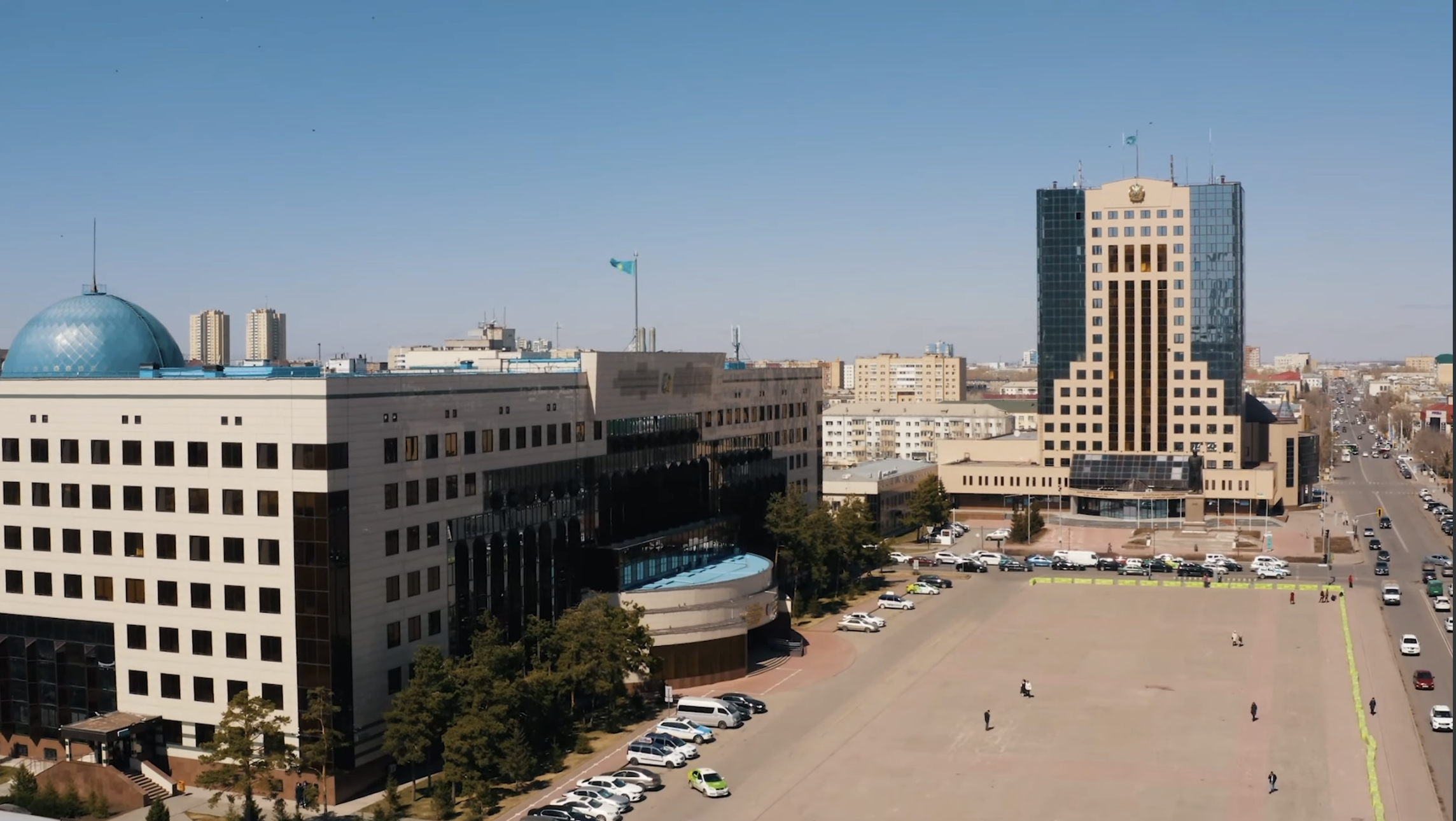
Make sure to visit the old part of the city that keeps history. Photo credit: The Astana Times
Much of the city has been built over the past three decades, resulting in wide avenues, large residential districts and bold contemporary architecture.
The city’s relatively recent development means that infrastructure is modern, with new residential complexes, shopping centers and business districts concentrated primarily on the left bank of the Yessil River. Construction remains ongoing in several areas, reflecting continued urban expansion.
Unlike many historic capitals, Astana does not have a centuries-old urban core. Its identity is closely tied to its role as a planned administrative center.
One of the coldest capitals globally
Astana is widely regarded as one of the coldest capital cities in the world. Winter temperatures can drop below 30 degrees Celsius, and strong steppe winds can push wind chill levels to minus 35 degrees Celsius and below, as highlighted in The Astana Times’ recent winter episode.
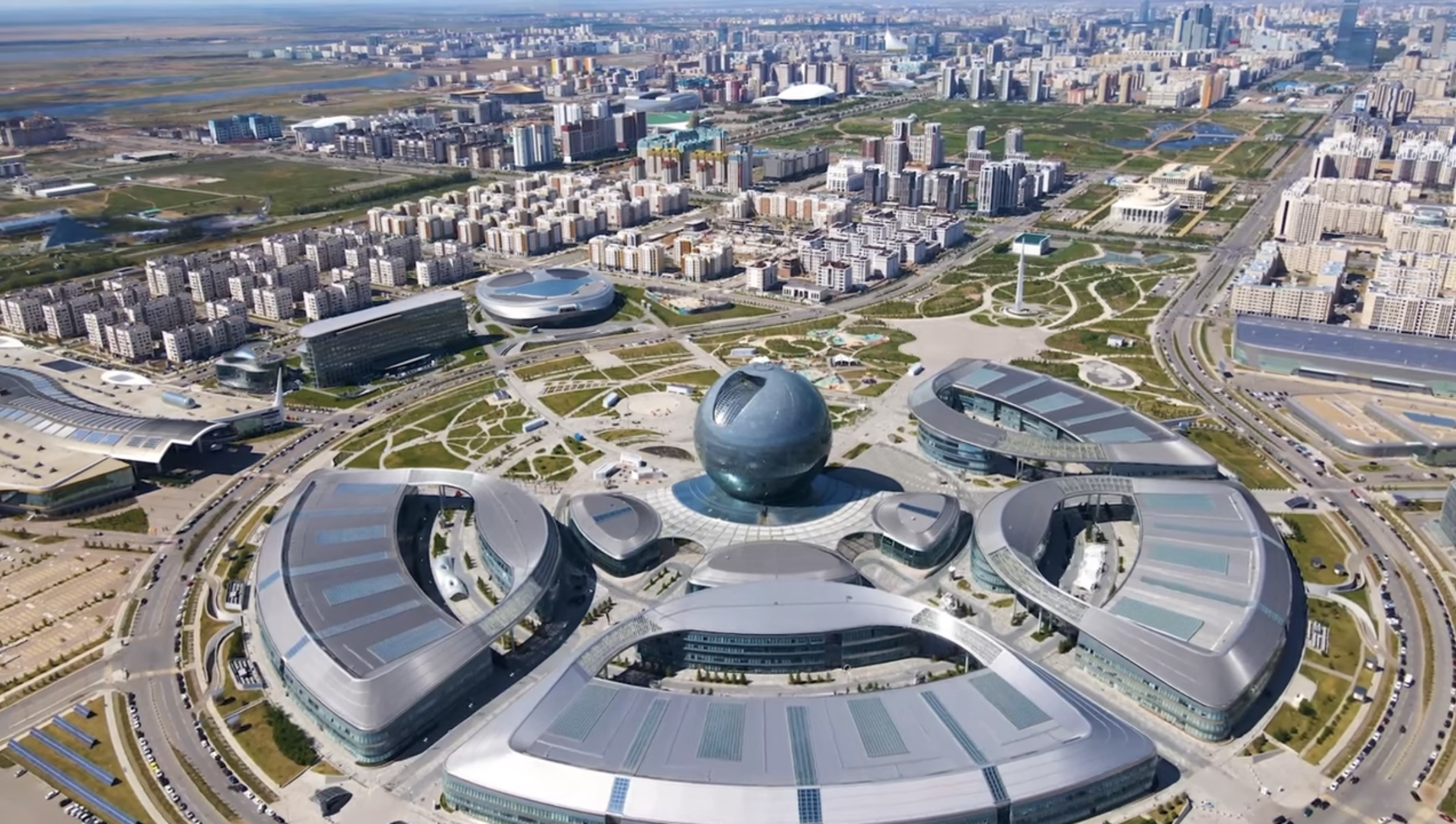
The left bank of the city was built completely from scratch. Photo credit: The Astana Times
Located in the open steppe, the city is particularly exposed to wind, which shapes how residents move and dress during the colder months. Wide streets and open public spaces can make the cold feel even harsher, and daily routines often require careful planning around weather conditions. Locals often say Astana has two seasons: winter, which lasts beyond three months, and preparation for winter.
Summer, however, changes daily life. From June to August, parks fill with residents, outdoor cafés open along the Yessil River embankment, and public events become more frequent. Seasonal contrast defines life in the capital.
The city divided by the river
The Yessil River separates Astana into two distinct parts that reflect different stages of development.
The left bank, largely built from scratch after 1997, contains government institutions, business centers and many of the city’s most recognizable landmarks. Much of the imagery associated with Astana internationally is concentrated in this district.
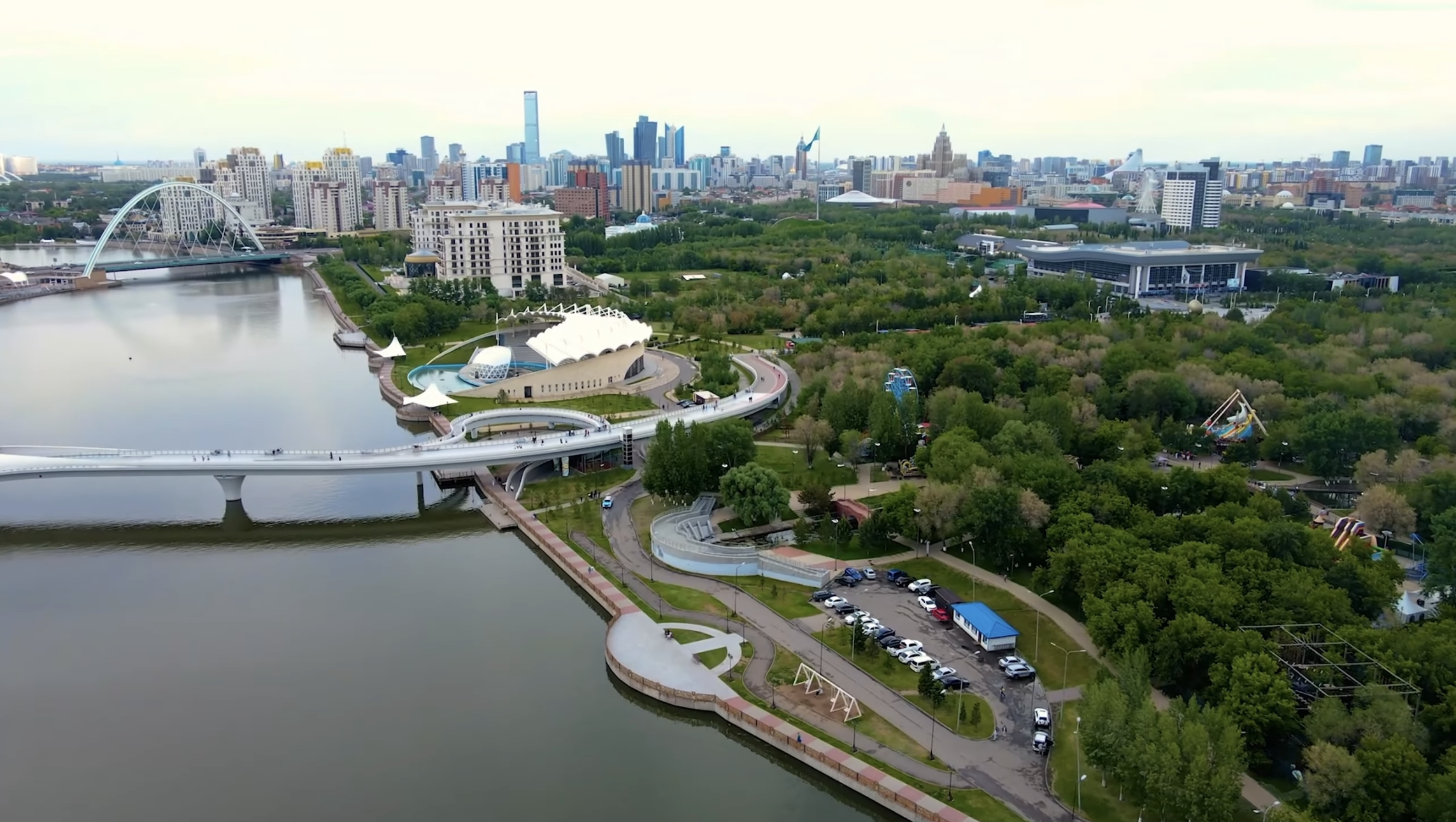
Astana is a city of contrasts: freezing winters and hot summers, futuristic skylines and green spacious old part of the city. Photo credit: The Astana Times
The right bank, developed earlier, includes older residential neighborhoods and buildings dating back to the Soviet period. While less visible in promotional materials, it remains an active and densely populated part of the city. This division illustrates both the capital’s modernization and its historical layers.
Language considerations
Kazakh and Russian are widely spoken across the city. English is increasingly common in hotels, major restaurants and business settings, but it may not be guaranteed in smaller shops or service areas.
Learning basic Kazakh greetings, “Salemetsiz be” (hello) or “Rakhmet” (thank you), can be helpful and is generally appreciated.
Dining reflects the city’s diversity
Astana’s dining scene reflects both its geographic position and its modern character. Visitors can find traditional Kazakh dishes such as beshbarmak, kazy and baursaks in national restaurants, while Central Asian cuisine, including plov and lagman, is also widely available.
Many of these restaurants are concentrated on the city’s left bank near Baiterek, where a mix of Central Asian, Korean, Indian and European dining options has grown alongside Astana’s modern business districts.
Hospitality remains an important social norm in Kazakhstan. While traditional cuisine can be enjoyed in restaurants, locals often say its most authentic form is found in homes. Being invited for tea is rarely just about tea. It usually means a table full of homemade dishes and long conversations with family and guests.
