
ASTANA – Kazakhstan is among the world’s top 30 countries for its achievements in cardiac surgery, said Health Minister Akmaral Alnazarova during her address at the first international conference titled Development of Medical Tourism in Kazakhstan: Prospects and Opportunities.
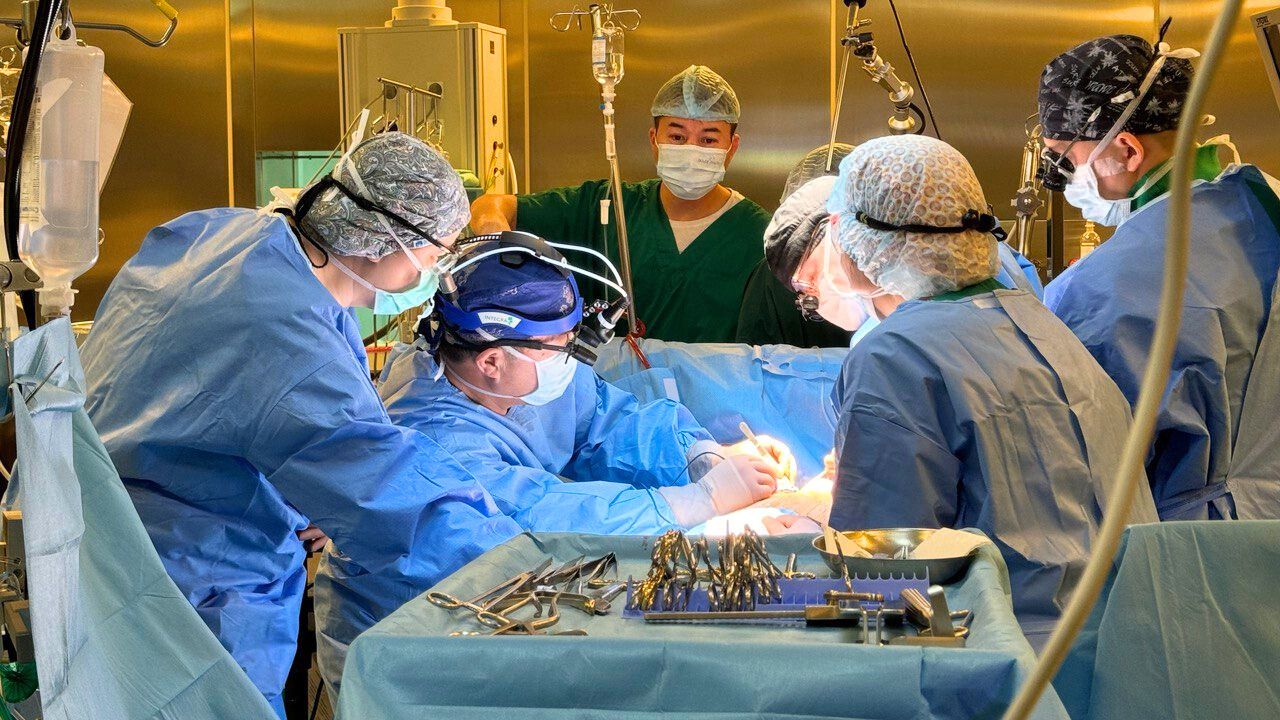
Photo credit: umc.org.kz
According to Alnazarova, Kazakhstan continues to make significant progress in high-tech medical care, including cardiac surgery, organ transplantation, and modern rehabilitation. Citizens currently have access to 80 types of high-tech medical care, covering a wide range of advanced procedures that meet international standards.
Over the past 15 years, mortality from cardiovascular diseases has decreased by threefold, as a result of ongoing investment in healthcare infrastructure, technology, and professional training, the ministry’s press service reported on Oct. 13.
Kazakhstan’s leading cardiac surgery clinic, recognized as the foremost institution in Central Asia, has received international certification in two major programs – Chronic Heart Failure and Implantation of Artificial Left Ventricular Devices. These accreditations have enabled the center to expand its services to international patients and strengthen Kazakhstan’s position in the global medical tourism market.
The clinic’s specialists conducted 86 heart transplants, 460 implantations of artificial left ventricular devices, 17 lung transplants, and three total artificial heart implantations, followed by heart transplantation. Over the past decade, the number of interventional procedures in Kazakhstan has tripled.
Currently, 42 percutaneous coronary intervention centers and 89 angiographic units are operating nationwide. Since 2012, the number of open-heart surgeries performed annually has doubled, leading to a significant decline in mortality from circulatory diseases.
Kazakhstan has also created favorable conditions for the development of transplantation services. Each year, domestic surgeons conduct between 250 and 260 organ transplants, including kidney, liver, and heart transplants.
The Health Ministry continues to strengthen the legislative framework, promote organ donation, and expand access to transplant care for all patients in need, said Alnazarova.
