
ASTANA – In a modest studio in northern Kazakhstan, silence is not an obstacle — it is the stage. The Sensitive Dance Theater, based in Petropavlovsk, is the only professional dance company in Kazakhstan for children with hearing impairments. Through movement, vibration, and emotion, its performers speak a language that transcends sound.
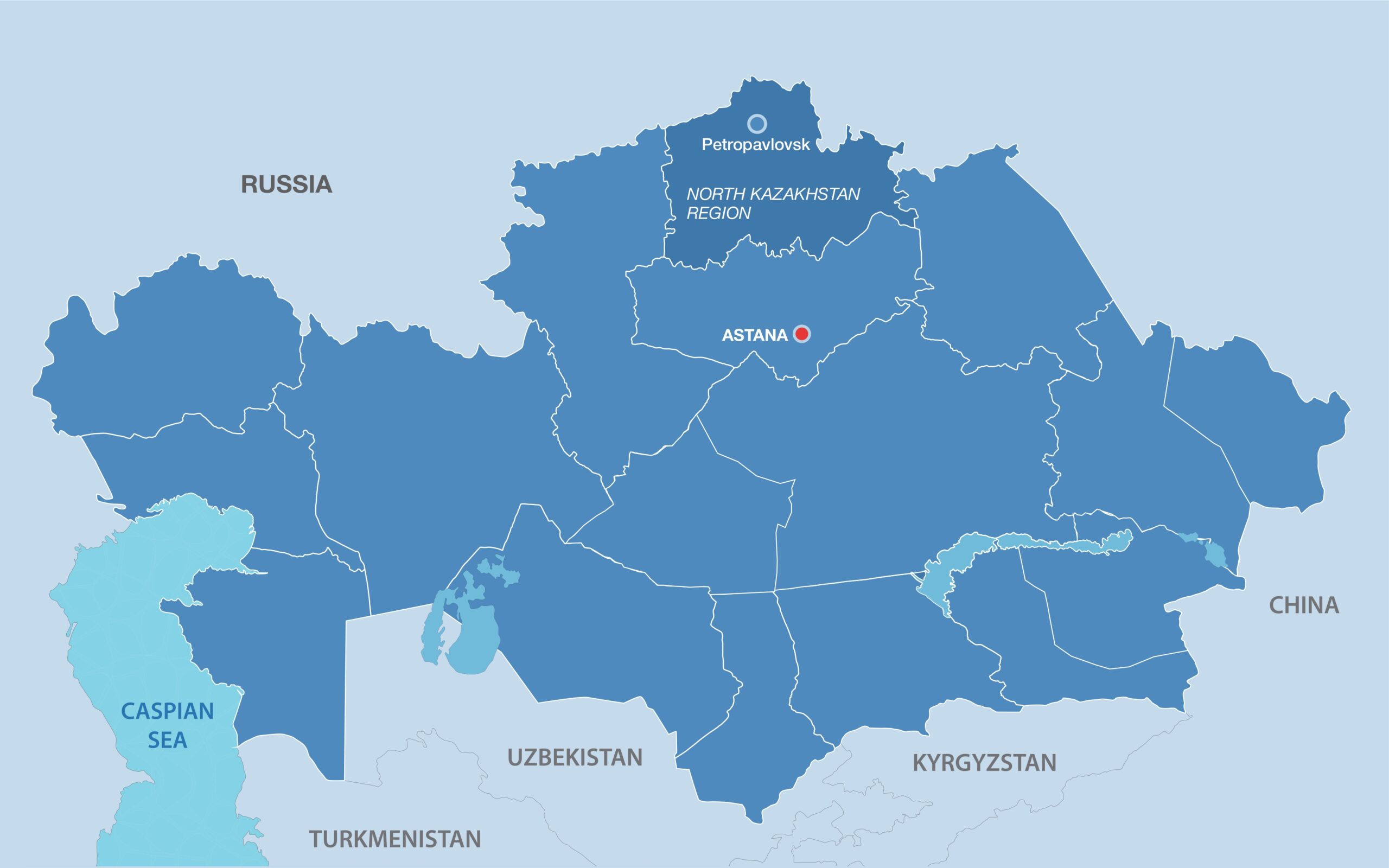
Photo credit: Rostovshchikova’s personal archieve Click to see the map in full size. The map is designed by The Astana Times.
Founded in 2006, the troupe has grown from a small school club into a nationally recognized ensemble that has won 16 Grand Prix titles and over 40 awards at national and international competitions. The group continues to expand its repertoire, mastering modern choreography styles alongside classical and folk forms.
A leap of faith
Olga Rostovshchikova, who serves as both the artistic director and executive leader of the group, first encountered the world of deaf culture almost by chance. While studying choreography in college, a professor mentioned a school for children with hearing disabilities was looking for a ballroom dance instructor.
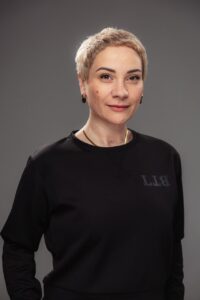
Olga Rostovshchikova, a choreographer and artistic director of the Sensitive Dance Theater. Photo credit: Rostovshchikova’s personal archieve
“I was intrigued and decided to give it a try. Of course, I had many questions: How do I teach them? How do I explain movement technique, emotions? And most importantly, how do I help them develop musical taste and understand rhythm?” Rostovshchikova told The Astana Times.
She recalled the first year as the most emotionally challenging, especially since technology at the time was limited. Communication relied on a pen and notebook.
“We had to explain everything through gestures and body language. I didn’t know how to work with them at first. I would sketch diagrams in my notebook or show positions on the wall. Eventually, I realized the key was to dance with them. These kids hear with their eyes. It became a mutual exchange — I taught them choreography, and they taught me sign language,” said Rostovshchikova.
What started as a trial became a calling.
“I entered the world of the deaf — and I stayed. I saw how much potential these children have to grow, to perform, to be equal,” she added.
From school club to national stage
Today, nearly two decades later, the Sensitive Theater includes over 40 dancers of different ages and backgrounds. Many have participated since early childhood, progressing through preparatory stages into advanced performance groups. Training is carefully structured. Lessons for younger children use play-based methods and short 45-minute sessions with breaks. Older students train more rigorously, like any professional troupe.
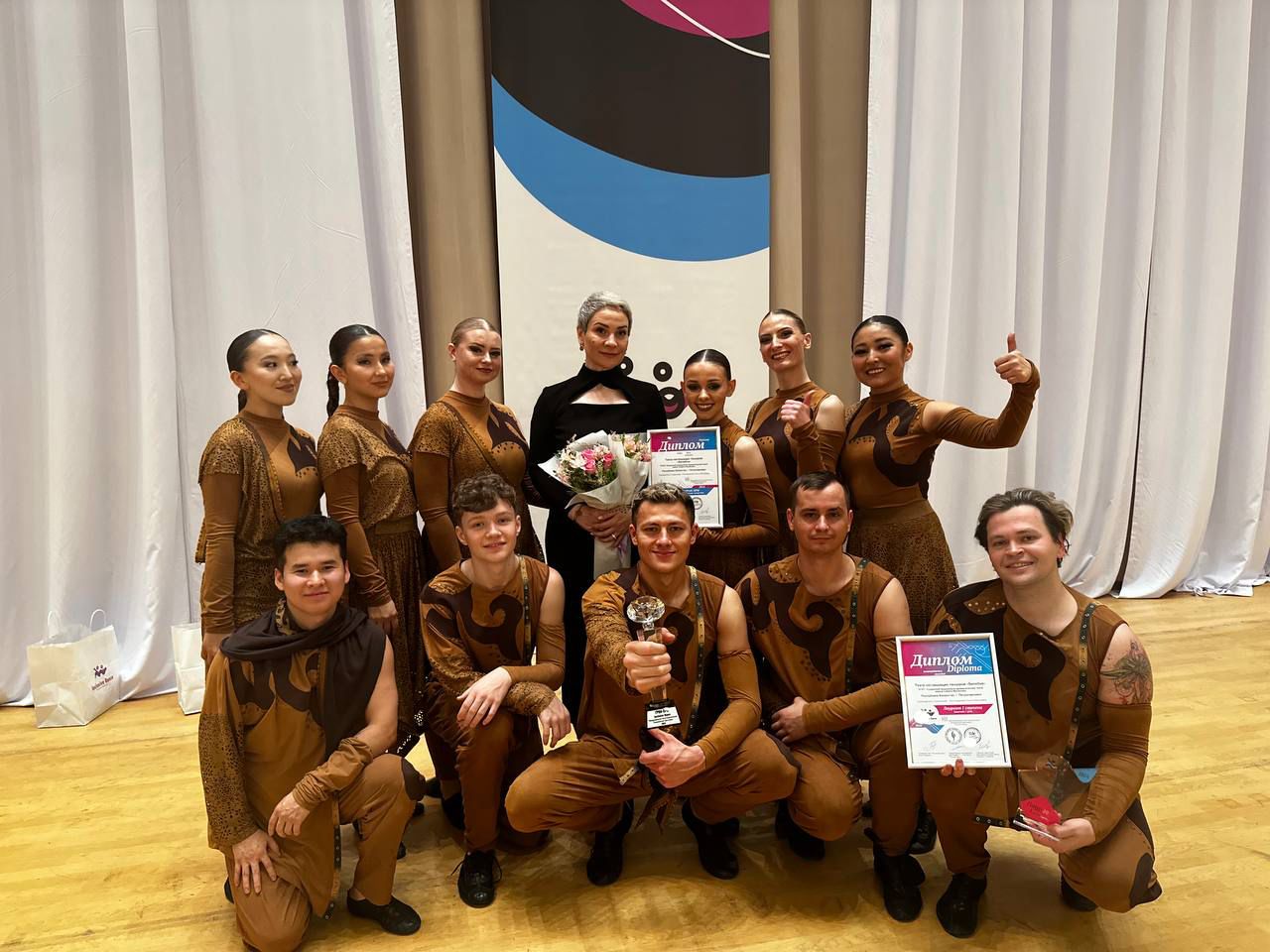
Sensitive won 16 Grand Prix titles and over 40 awards at national and international competitions. Photo credit: Rostovshchikova’s personal archieve
Before learning choreography, students first listen to music — not through hearing, but through physical sensation.
“We turn up the volume so they can feel low-frequency vibrations. They sense the beat through the floor. Then we teach the rhythm pattern, and only then start choreography,” said Rostovshchikova.
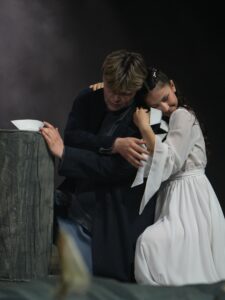
Dancers also present plastic performance that combine dance and visual storytelling.Photo credit: Rostovshchikova’s personal archieve
The hardest part, she says, is teaching musicality. “For hearing dancers, music gives emotion — a cue to stretch a movement, pause, or accelerate. Deaf dancers do not have that auditory feedback. We rely heavily on theory, muscle memory, and emotional visualization.”
Despite these obstacles, Sensitive dancers are known for expressive performances and technical precision. Their repertoire includes Kazakh stylized folk, Latin and European ballroom, contemporary, and even plastic theater with sign-language musical numbers. They also regularly perform on the same stage as actors from the Sabit Mukanov Kazakh Music and Drama Theater.
Initially, the group performed only at local school events. But after entering its first competitions, Rostovshchikova realized that to grow, they needed to travel, perform more often, and broaden their stage experience.
Over 19 years, she developed her teaching methodology for deaf children and trained multiple teams with varying themes and artistic goals. Today, Sensitive’s students compete equally with hearing dancers.
“We wanted our kids to see other dancers, other teams, to understand the standard and grow. We brought in outside instructors, took masterclasses, and committed to evolving as a professional troupe,” said Rostovshchikova.
Breaking barriers in education and the arts
Despite the theater’s success, challenges persist — especially in providing education for children with hearing impairments. In Kazakhstan, most universities lack sign language interpretation and accessible learning technologies, which limits options for deaf students after graduation.
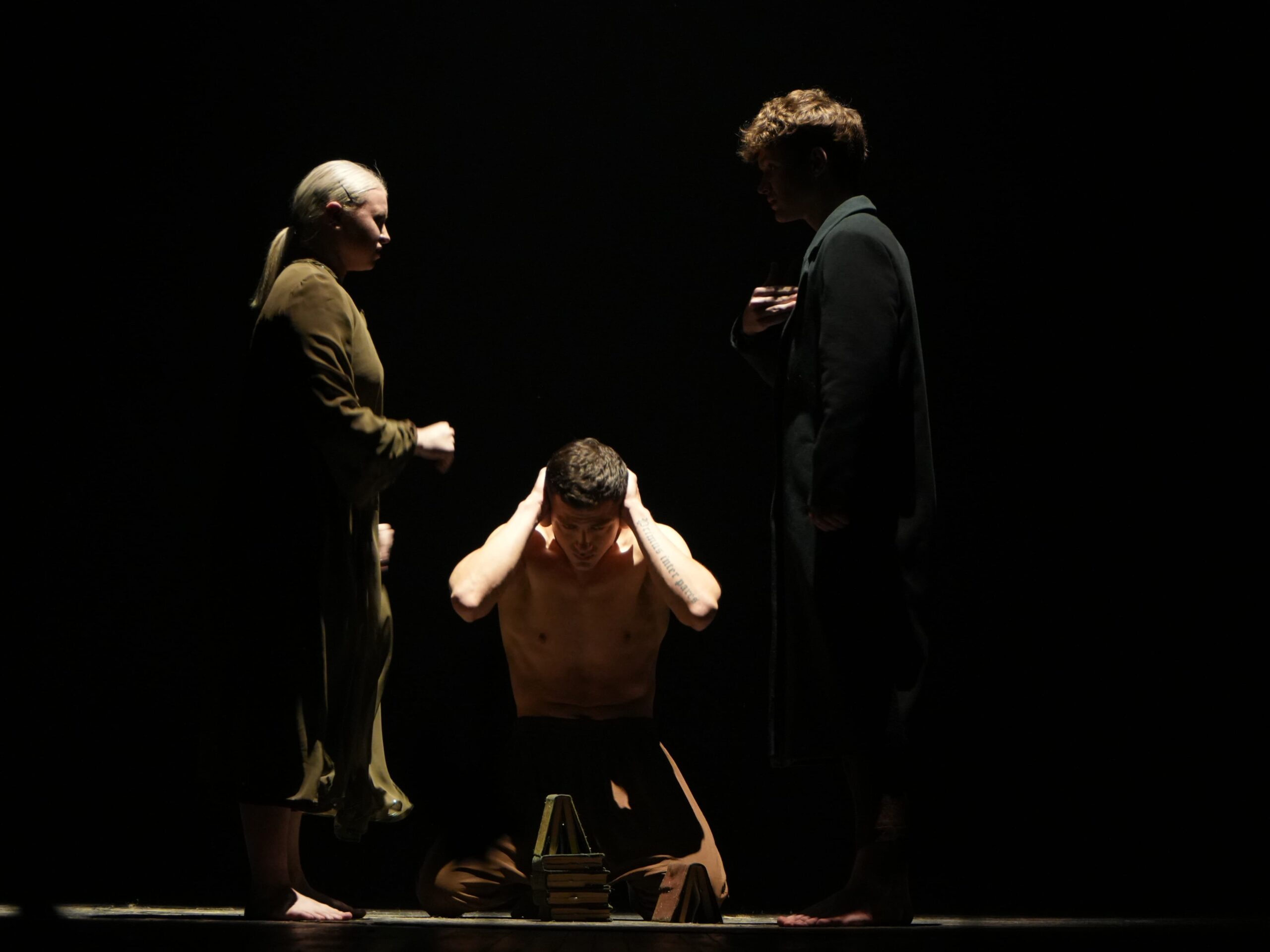
Sensitive dancers perform on the same stage as actors from the Sabit Mukanov Kazakh Music and Drama Theater. Photo credit: Rostovshchikova’s personal archieve
Nevertheless, Rostovshchikova has helped her students defy those limitations. Three graduates of the troupe have already earned degrees in choreography, and eight more are currently pursuing cultural studies at North Kazakhstan University.
“It is not easy. Our educational system is only beginning to move toward inclusivity. But our children are talented and motivated. With support, they can achieve anything,” she said.
She also highlighted the crucial role of parental involvement in helping children with special needs explore the arts.
“Parents need to believe in their children. Sign them up for dance, for sports, for anything creative. Ideally, they would participate too — understand what their child is going through. We even run workshops for parents, to help them better support their kids and reduce fear of the unknown,” said Rostovshchikova.
Today, the Sensitive ensemble is working to formally establish the Federation of Ballroom Dance Sport for the Hearing Impaired in Kazakhstan. It remains the only group in the country focused on both ballroom and contemporary dance for deaf performers.
“In the future, we hope to open branches nationwide to expand our creative family and support more talented children. One of our dreams is to stage a musical with Egor Druzhinin in Moscow and tour across Europe,” said Rostovshchikova.
