
ALMATY – Kazakhstan is reporting continued growth in several rare ungulate populations while expanding programs to return animals that disappeared from parts of the country to their natural habitats. From Przewalski’s horses and kulans to the recent release of a tiger into the wild, conservation policy is moving beyond protecting surviving wildlife toward rebuilding populations and the ecosystems needed to sustain them.
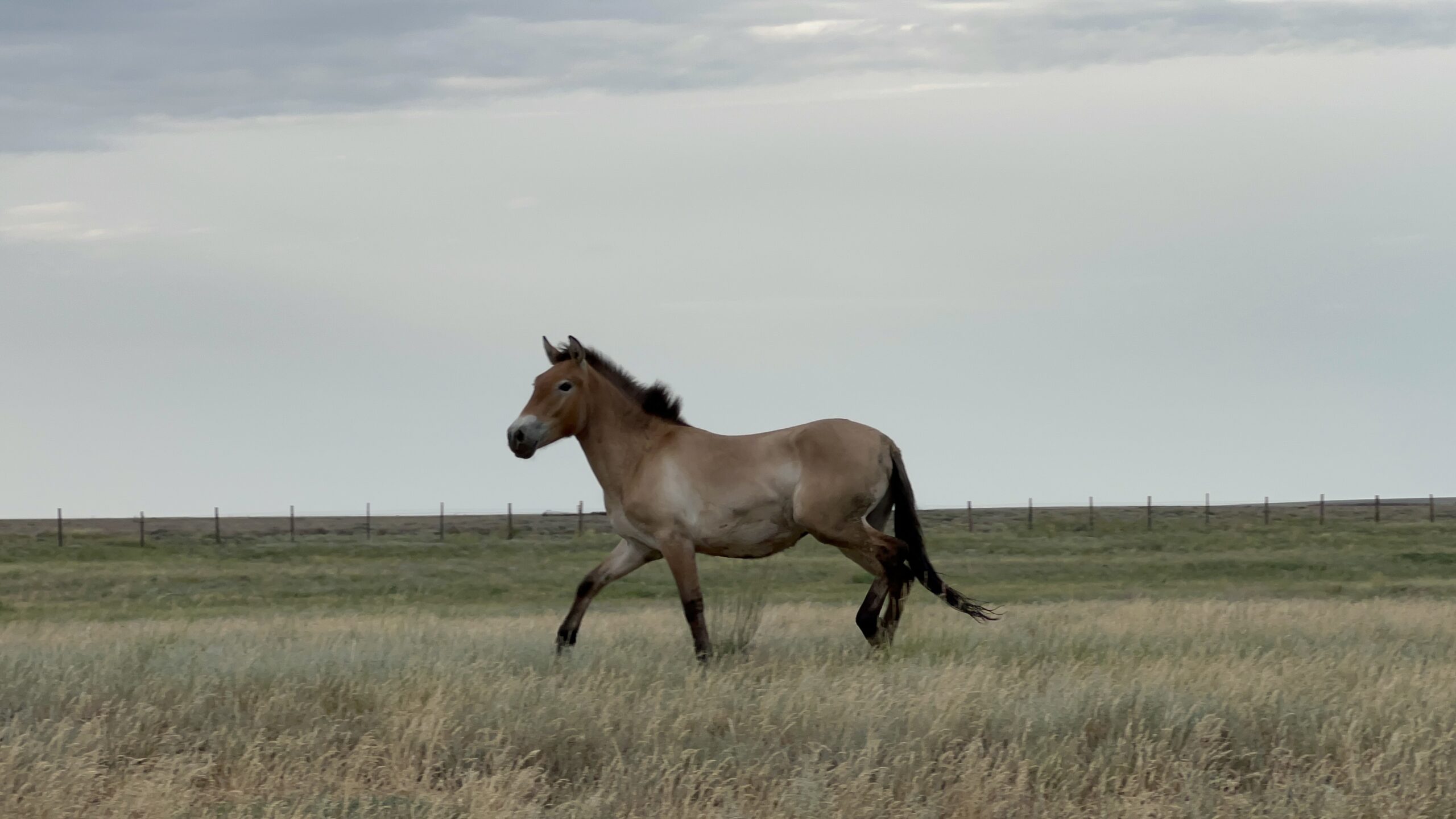
Przewalski’s horses are the last truly wild horses native to the steppes of Kazakhstan, Mongolia, and China. Photo credit: Nagima Abuova/The Astana Times
According to 2025 wildlife census data released by Kazakhstan’s Ecology and Natural Resources Ministry, populations of several rare ungulates have continued to grow. The country recorded 1,240 Bukhara deer, 16,122 goitered gazelles, 4,702 kulans and 17,604 argali, reported the Central Asia Climate Foundation.
Saiga numbers have grown on an even larger scale. Kazakhstan’s three saiga populations totaled nearly 3.98 million animals in 2025, including 2.3 million in the Ural population, 1.6 million in the Betpak-Dala population and 78,000 in the Ustyurt population.
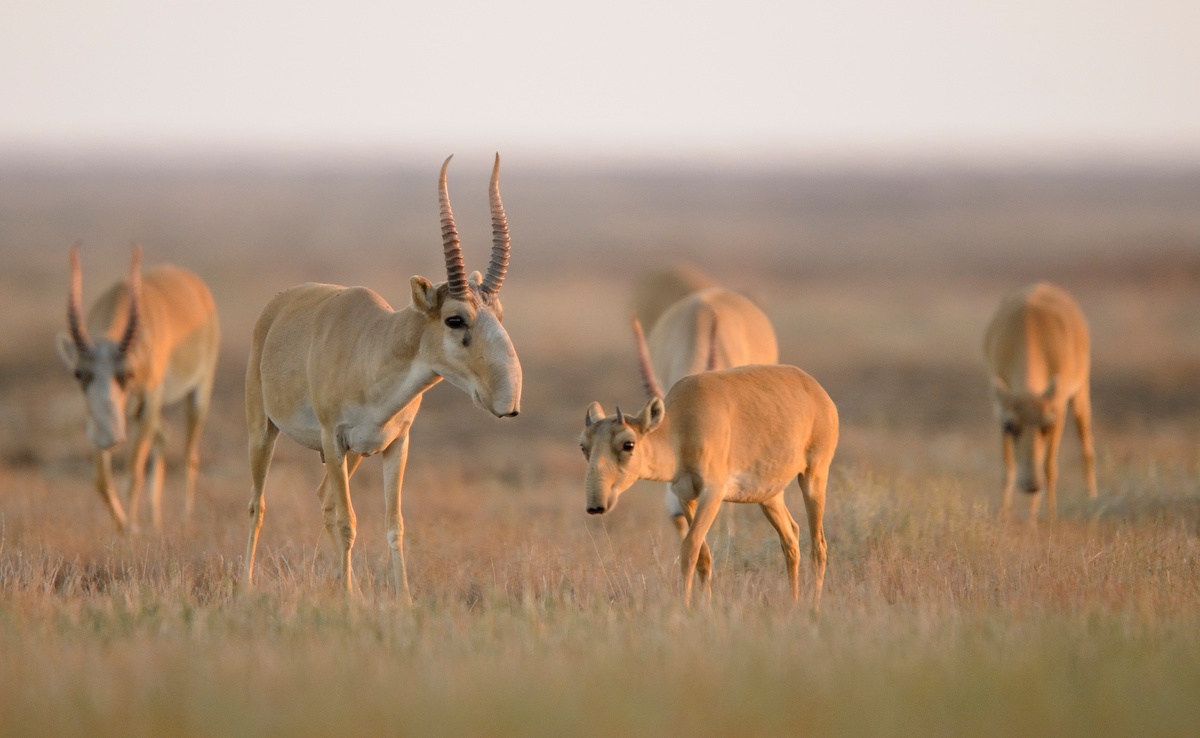
Saiga antelope. Photo credit: gov.kz
The figures illustrate one of the major changes in Kazakhstan’s conservation agenda: protecting wildlife is no longer limited to preventing the disappearance of existing populations. The government is using reintroduction programs to restore species to areas where they had previously disappeared.
From protecting species to rebuilding populations
Reintroduction is a more complex process than simply releasing animals into the wild. For a population to survive, conservationists must ensure that suitable habitat, food sources and protection mechanisms already exist. This approach is visible in several of Kazakhstan’s current programs.
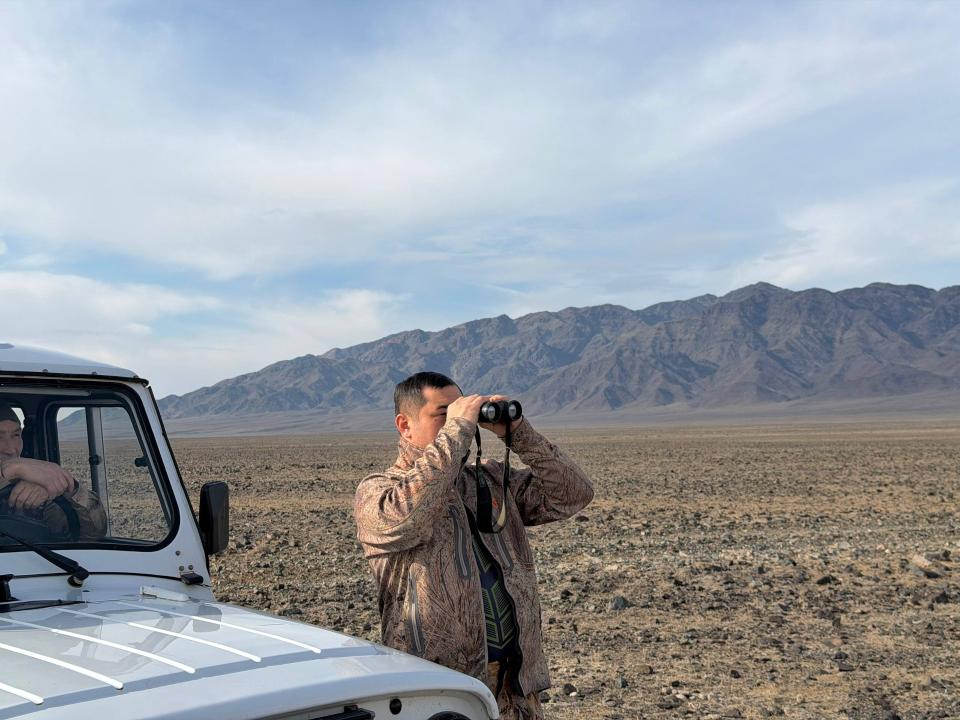
The Altyn-Emel National Park. Photo credit: The Committee of Forestry and Wildlife of the Ministry of Ecology and Natural Resources.
In the Altyn Dala State Nature Reserve in the Kostanai Region, the Center for the Reintroduction of Wild Ungulates, established in 2017, currently holds 14 Przewalski‘s horses, including 12 mares and two stallions. Kazakhstan plans to bring an additional 40 horses to the country by the end of 2029.
The program is part of a broader effort to restore a species that disappeared from Kazakhstan’s wild landscapes. Its significance therefore lies not only in increasing the number of animals held in the country, but ultimately in establishing a population capable of surviving in its historical habitat.
Kazakhstan is pursuing a similar strategy with kulans. A total of 66 animals have been relocated as part of population restoration efforts, including 42 to the Ile-Balkhash State Nature Reserve and 24 to Altyn Dala.
The reintroduction of large herbivores can also have consequences beyond the survival of individual species. Ungulates are part of wider food chains and ecosystems, meaning their restoration can help create the ecological conditions necessary for other wildlife to return.
The tiger project tests an ecosystem-based approach
Perhaps the most ambitious example of this strategy is Kazakhstan’s program to return tigers to the country more than 70 years after they disappeared. The Turanian tiger vanished from Kazakhstan in the mid-20th century amid the destruction of tugai forests, hunting and the decline of its prey base. Kazakhstan is now using Amur tigers, considered the closest living genetic relatives of the extinct Turanian subspecies, as part of the restoration effort.
The Ile-Balkhash State Nature Reserve has become the main site for the project. Before the release of tigers, authorities spent years preparing the ecosystem, including reintroducing prey species such as kulans, goitered gazelles and wild boars.
That sequence is significant. Rather than beginning with the predator itself, the program first focused on rebuilding the ecological foundation needed to support it. The tiger project could therefore become an important test of whether Kazakhstan’s conservation programs can progress from increasing animal numbers to restoring functioning ecosystems.
Rare animals increasingly become indicators of ecosystem health
Other recent observations highlight the importance of long-term monitoring. In July, inspectors at Charyn State National Nature Park captured images of a Pallas’s cat, a rare and highly elusive predator listed in Kazakhstan’s Red Book.
A camera trap in Kolsai Lakes National Park also recorded several times a Tien Shan brown bear, another Red Book-listed species. Park authorities said the observation confirmed the continued presence of the bears within the protected area.
In Altyn-Emel National Park, winter counts conducted in February monitored populations of kulan, goitered gazelle and argali. The park also provides habitat for species including the snow leopard, lynx, bear and Pallas’s cat.
Such observations are important because population figures alone do not provide a complete picture of conservation success. A growing number of animals can indicate that protection measures are working, but the longer-term question is whether habitats remain capable of supporting those populations as they expand.
A larger conservation challenge
Kazakhstan is home to 835 species of vertebrates, according to the Ecology Ministry, including 178 species of mammals and 489 species of birds. Around 132 species and subspecies of vertebrates and 96 species of invertebrates are classified as rare or endangered.
The recovery of individual populations is therefore only one part of a much broader conservation challenge. The recent growth in saiga numbers and the continued presence of rare species in national parks show the potential results of sustained protection. At the same time, the expansion of reintroduction programs for Przewalski’s horses, kulans and tigers represents a more demanding next stage.
The difference is between protecting what remains and restoring what has been lost. For Kazakhstan, the next challenge may therefore be to connect successful protection of individual species with the restoration of larger ecosystems.
