
ASTANA – Kazakhstan is expanding digital monitoring, flood forecasting and groundwater research as it seeks to move from reactive water management toward a system that can anticipate risks and track water supplies more accurately.
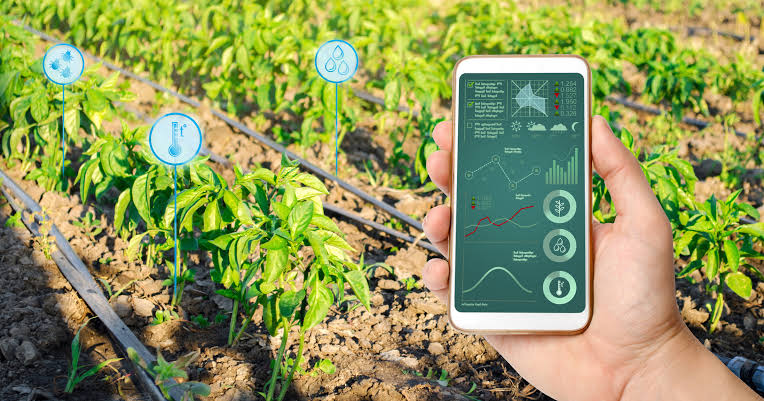
Photo credit: digital-water.city
The Central Asian nation seeks to invest in better data to help solve some of its most persistent water problems. The progress of the reforms was reviewed at an Aug. 4 meeting between Kazakh Minister of Water Resources and Irrigation Nurzhan Nurzhigitov and UNDP Resident Representative in Kazakhstan Katarzyna Wawiernia. The joint projects include an early-warning system for dams, digitization of irrigation networks, new equipment for the national hydrogeological service and a feasibility study for a reservoir in eastern Kazakhstan, reported the ministry.
A Japan-funded project is helping Kazakhstan strengthen flood protection through more coordinated dam management. The initiative includes a pilot early-warning system for dams, the integration of monitoring data into the National Water Resources Information System and the creation of a digital database of hydraulic structures.
The project has completed the design of the warning system, developed the digital database and prepared hydrodynamic models for pilot reservoirs. It has also tested flood scenarios to identify areas that could be inundated.
Kazakhstan is also digitizing irrigated fields and canals across the Almaty, Zhambyl, Kyzylorda, Turkistan and Zhetisu regions to improve water accounting and management. All agricultural fields and half of the irrigation canals in the five regions have been digitized so far. The project has also produced soil-moisture maps to support more accurate irrigation planning.
Additionally, the nation has developed an early water-demand forecasting system with a digital service that allows farmers to apply for irrigation water, allocate supply limits and sign contracts electronically.
Under the first phase of a climate-resilient water resources project, regional branches of the Kazhydrogeology national hydrogeological service are receiving modern equipment to improve groundwater research. The planned purchases include a groundwater detector, a mobile field laboratory and a drilling rig.
The Kazakh Research Institute of Water Management in Taraz will also receive new machinery and equipment. Sixty-six units are expected to be purchased.
Under a tripartite agreement between UNDP, the Water Resources and Irrigation Ministry and the Eurasian Development Bank, a regional training center for farmers is being developed in the Turkistan Region to promote water-saving irrigation technologies. The partners are discussing the format of the center’s training programs and practical sessions.
UNDP is also preparing a feasibility study for a reservoir on the Kenderlik River in the East Kazakhstan Region as part of a broader program to support sustainable irrigation and related business development.
Kazakhstan and UNDP are also launching a new Global Environment Facility-supported program to improve ecosystem management in the Kazakh section of the Caspian Sea and surrounding areas. The initiative will include ecosystem mapping, spatial planning, biodiversity monitoring and the restoration of degraded land. It will also address marine pollution and litter by improving waste-management systems and testing new solutions in coastal communities.
Although progress has been made, Kazakhstan continues to face mounting water security challenges, including from agricultural demand.
According to figures published on the UNDP website, since 2000, the economic output generated from each cubic meter of water has risen by more than 160%, from around $3 to $8. This demonstrates that economic growth can be achieved alongside more efficient water use.
Kazakhstan withdraws around a quarter of its renewable freshwater resources, but pressure on supplies is rising. Water stress increased from 29% in 2000 to 35% in 2022, meaning that roughly 35 litres are now used for every 100 litres of renewable freshwater available to agriculture, industry and households. These figures, while not yet at critical level, highlight the need for stronger water governance and efficient planning.
Among the latest reforms undertaken by the government were a new Water Code along with the Concept for the Development of the Water Resource Management System until 2030 and the Comprehensive Water Sector Development Plan until 2028.
Kazakhstan also launched the Coordination Council of Partners for Water Sector Development. Co-chaired by the ministry and UNDP, it has mobilized more than $20 million.
Consultations to establish an International Water Organization under the auspices of the UN, an initiative put forward by Kazakhstan, also commenced in April.
Earlier this year Katarzyna Wawiernia gave an exclusive interview to AT.
