
ASTANA – An exhibition showcasing nearly 100 rare silk textiles, archaeological artifacts and contemporary design works celebrating China’s centuries-old silk-making traditions opened at the National Museum of Kazakhstan on July 2.
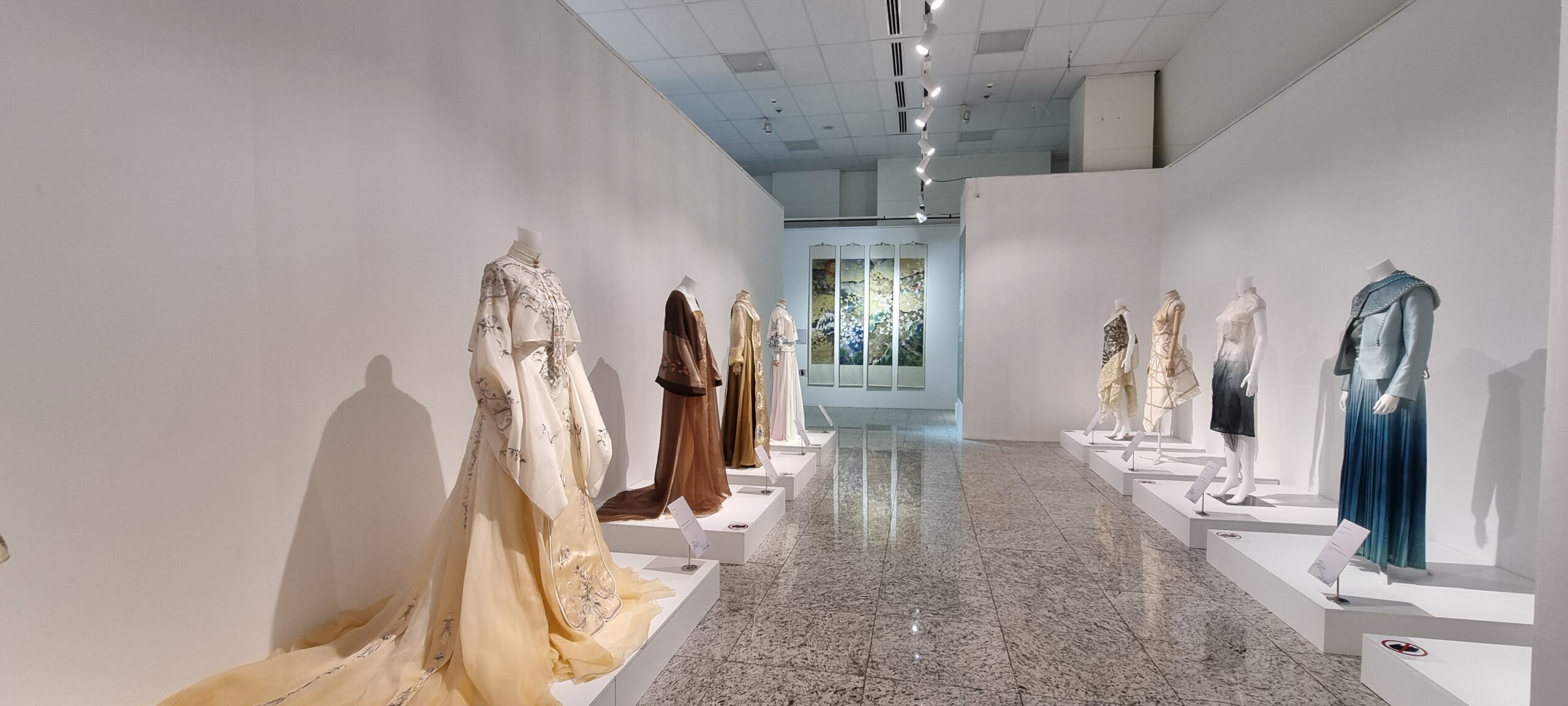
An exhibition showcasing rare silk textiles, artworks and contemporary design inspired by centuries-old Chinese silk-making traditions opened in Astana. Photo credit: Aiman Nakispekova/ The Astana Times
Organized jointly by the China National Silk Museum and museums from Huzhou and Turpan, the exhibition traces the development of Chinese silk craftsmanship from its prehistoric origins to contemporary fashion and design. It also explores the cultural legacy of the ancient Silk Road and silk’s enduring role as a bridge between civilizations.
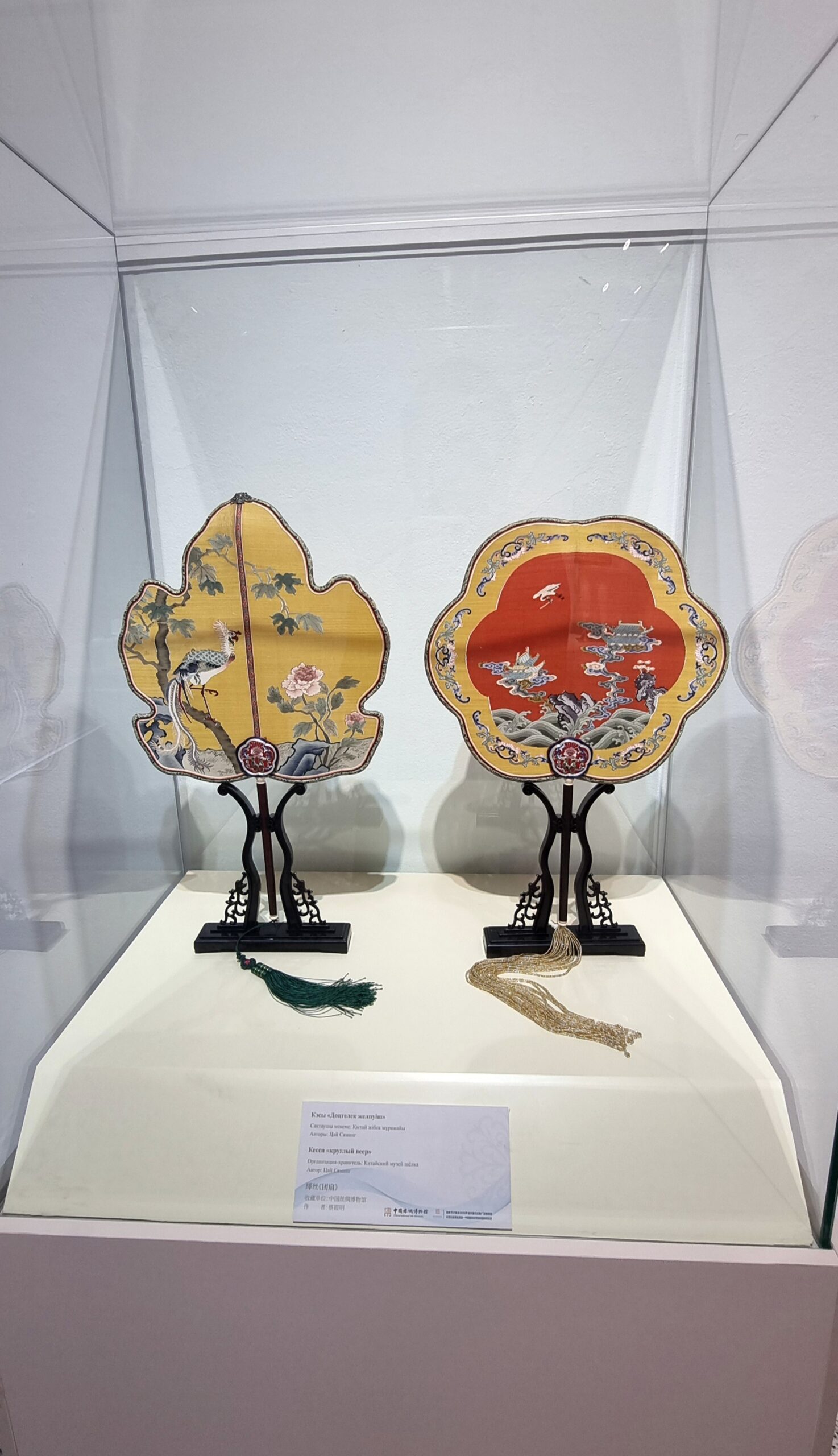
Round fans crafted using the kesi silk tapestry technique. Photo credit: Aiman Nakispekova/The Astana TImes
Supported by the China National Arts Fund, the exhibition brings together weaving, embroidery, printing, dyeing and other traditional techniques in works created by Chinese master artisans and fashion designers. The collection combines classical Chinese aesthetics with contemporary design, demonstrating how centuries-old craftsmanship continues to inspire modern artistic innovation.
Speaking at the opening ceremony, Chinese Ambassador to Kazakhstan Han Chunlin said the exhibition is one of the flagship events of the China-Kazakhstan Year of Cultural Exchange.
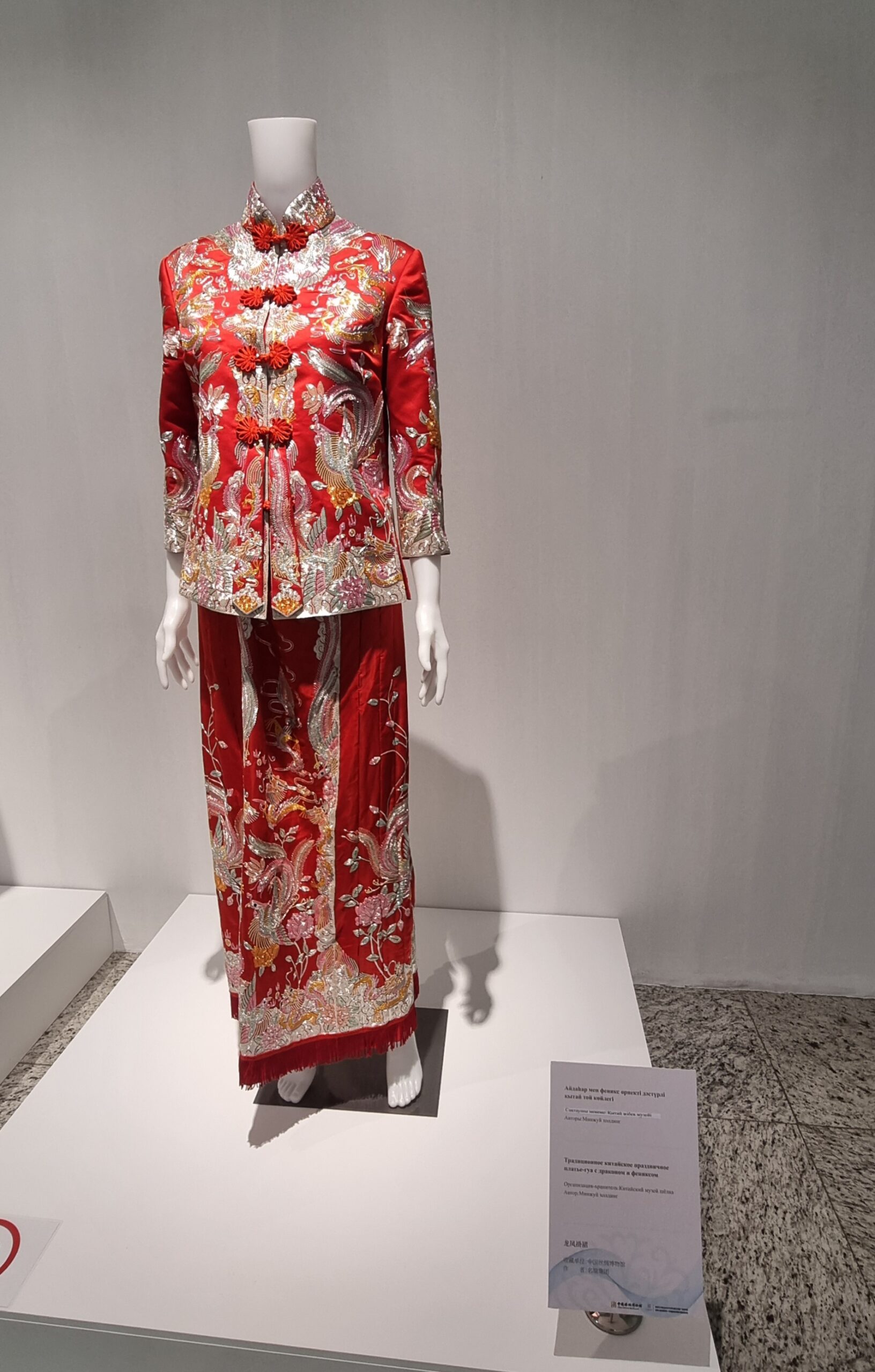
A traditional Chinese ceremonial gown featuring dragon and phoenix motifs. Photo credit: Aiman Nakispekova/The Astana Times
“I believe it will leave every visitor with lasting impressions, offering a deeper appreciation of the unique character of Chinese silk art, where tradition and innovation coexist in harmony while openness and cultural diversity are woven into its very fabric,” Han said.
He noted that China and Kazakhstan should continue strengthening cultural ties while promoting mutual respect, openness and innovation.
“As China and Kazakhstan work together to build a community with a shared future, our two countries should continue to move forward side by side, guided by the principles of mutual respect and equality. We should appreciate the beauty of every civilization, learn from one another’s strengths, and deepen exchanges based on openness, inclusiveness and mutual learning,” he said.
Among the highlights are silk fragments and silk threads excavated at the Qianshanyang archaeological site in Huzhou. The discoveries provide some of the earliest evidence that communities in the Yangtze River basin had mastered sericulture, silk reeling and weaving during the late Neolithic period.
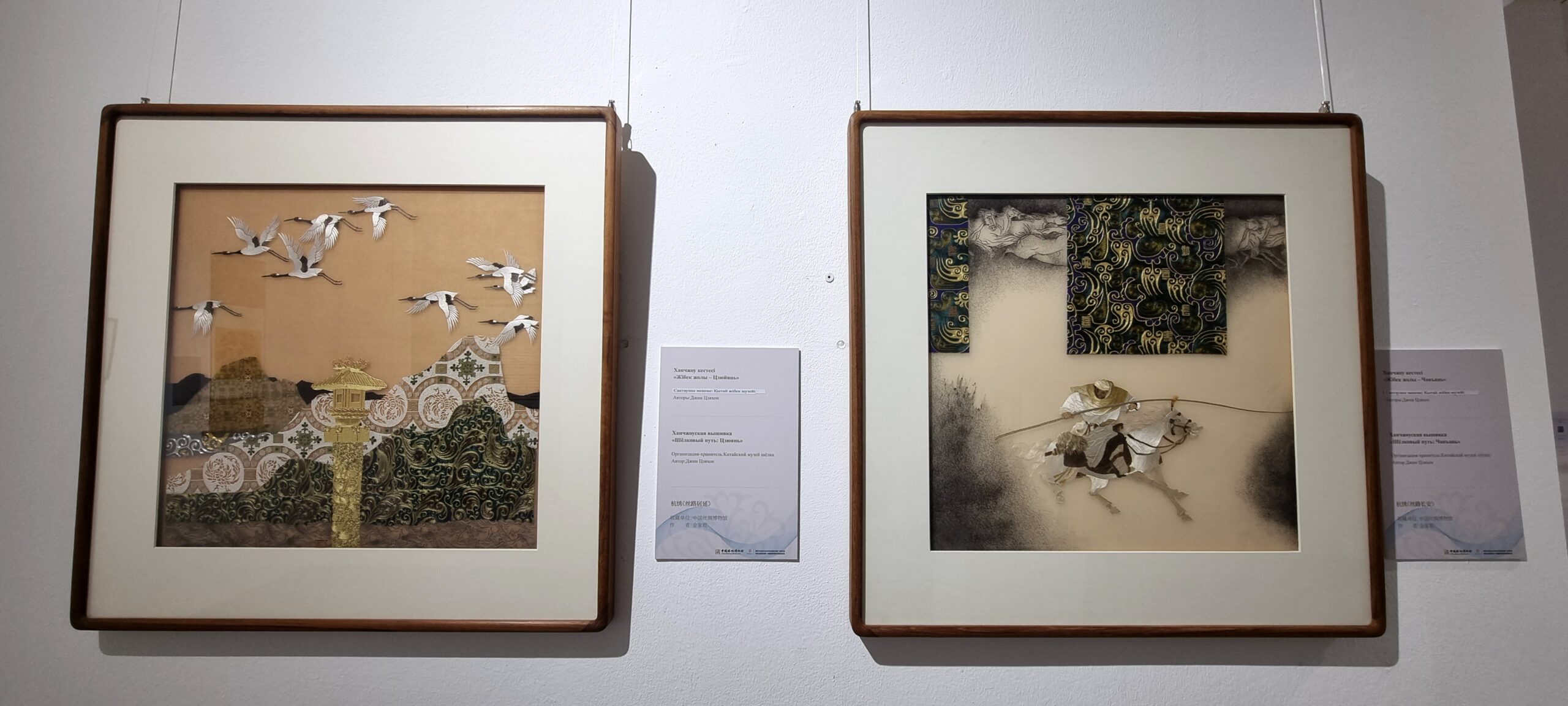
Two pano with Hangzhou embroidery. Photo credit: Aiman Nakispekova/ The Astana Times
The exhibition also showcases renowned Chinese embroidery traditions, including Suzhou, Sichuan, Guangdong, Hangzhou and Taizhou embroidery, as well as brocade weaving. It features kesi, a traditional Chinese silk tapestry weaving technique used to create multicolored woven images on small handlooms with a raw silk warp and colored silk weft. Contemporary works demonstrate how designers reinterpret traditional silk motifs through modern fashion, innovative materials and digital technologies.
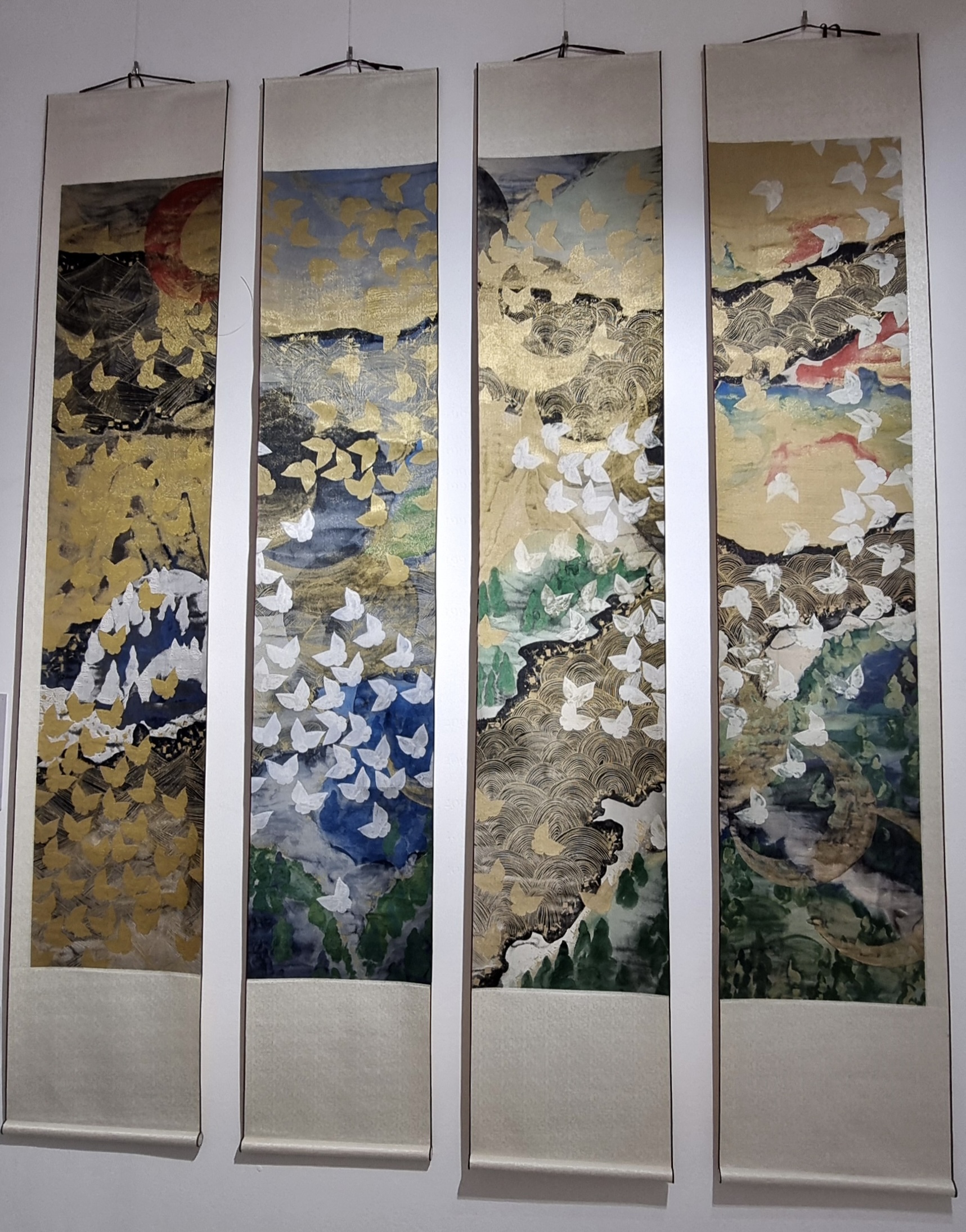
A silk artwork titled The Harmony of the Four Seasons. Photo credit: Aiman Nakispekova/The Astana Times
Visitors can also explore the evolution of silk patterns through the centuries. Early geometric designs gradually gave way to motifs featuring mythical creatures, floral medallions and botanical elements as cultural exchanges along the Silk Road introduced new artistic influences from Central Asia and beyond. Over time, silk textiles became symbols of prosperity, harmony and good fortune while remaining an integral part of everyday life.
The exhibition demonstrates how traditional Chinese silk craftsmanship continues to evolve while preserving techniques passed down through generations. By combining ancient methods with contemporary artistic expression, the collection illustrates the enduring cultural significance of silk and its continuing influence on global design.
The exhibition runs through Sept. 20.
