
Over the years of independence, Kazakhstan has undergone a profound transformation in nature conservation — from restoring populations of rare species to significantly expanding its network of specially protected natural areas. The country is introducing modern wildlife research and monitoring systems, updating environmental legislation, engaging international partners, and establishing national parks that promote ecotourism and support local communities.
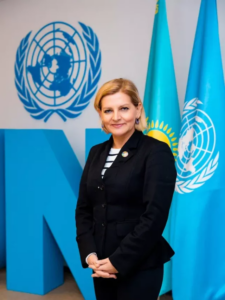
Photo credit: undp.org
Together, these efforts have shaped a new environmental policy that brings biodiversity conservation, cultural heritage protection and sustainable regional development into a single, coherent approach.
Kazakhstan has exceptional natural potential. Major migratory routes for birds cross its territory, while a wide range of landscapes such as deserts, semi-deserts, steppes, forest-steppes and mountain forests – form one of the most diverse natural environments in Central Asia.
Since gaining independence, the country has made substantial progress in protecting its natural heritage. The total area of specially protected natural territories has expanded to 30.9 million hectares – 35 times more than in the early 1990s and now includes 15 state national natural parks.
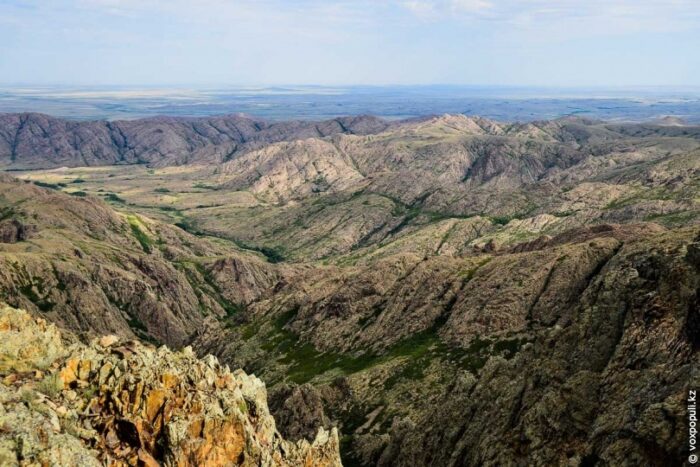
Photo credit: Ulytau State National Natural Park
These conservation efforts are already producing tangible results. Populations of rare and vulnerable species are recovering: the number of snow leopards has nearly doubled and number is 154-189; the saiga antelope population has surpassed two million; dozens of new invertebrate species have been identified; stable populations of Bukhara deer and kulan are being established in the Ile-Balkhash Nature Reserve; and in southern Kazakhstan, the Karatau argali is making a strong recovery. Once on the brink of extinction in 2005, the population today exceeds 1,300 individuals.
The foundation of the Ulytau region in 2022 marked an important step in the development of central Kazakhstan. While the regional economy has traditionally relied on mining and pastoral livestock farming, Ulytau’s potential extends far beyond these sectors. Its rich history, distinctive natural landscapes and sacred sites position the region as a promising destination for sustainable tourism.
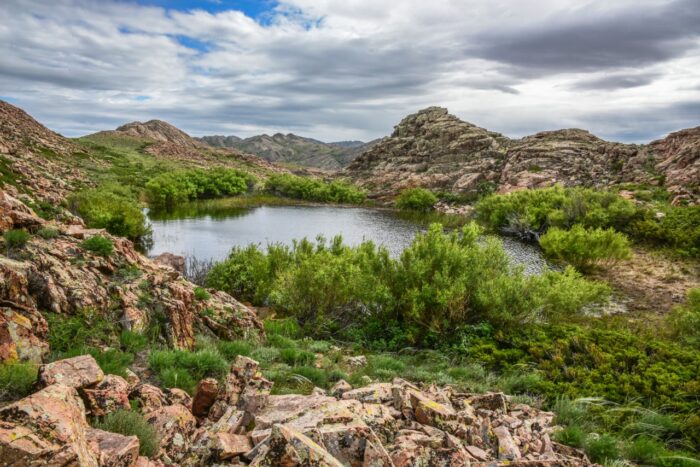
Ulytau national park: preserving heritage and creating new opportunities
Ulytau State National Natural Park was founded by the Forestry and Wildlife Committee of the Ministry of Ecology and Natural Resources of the Republic of Kazakhstan, with the support of the United Nations Development Programme (UNDP) in Kazakhstan. Covering nearly 59,000 hectares of mountain-steppe landscapes in Saryarka, the park brings together natural, cultural and historical heritage.
Ulytau is widely regarded as the spiritual heart of the Kazakh steppe – a place of historic kurultais, the emergence of political traditions and key events that shaped the nation’s history.
The systematic approach to wildlife conservation and management
Today, the Ulytau National Park is staffed by 73 people, including 22 state inspectors.
A joint UNDP and Government of Kazakhstan Project launched in 2021 actively supports the development of the national park and local communities. Over the years the first Management Plan of the park for 2023–2027 has been developed. Modern monitoring tools are being introduced, including the SMART system, camera traps and drones. These technologies help track ecosystem health and wildlife populations, identify threats in a timely manner, and respond swiftly to incidents.
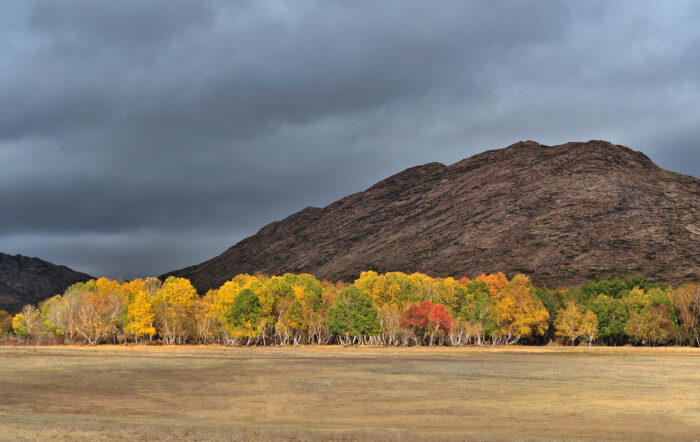
The technical capacity of the national park is being strengthened step by step. Specialised vehicles have been provided to support forestry operations and wildfire prevention.
In the next phase, landscape planning and environmental and economic assessments are expected to deliver a practical set of tools, including vegetation and forest maps, grazing and wildlife habitat maps, a functional zoning atlas and land-use recommendations. Together, these instruments will help balance conservation goals with tourism development and the needs of local residents.
Ecotourism and local economic development
Tourism development is a key priority for the national park, the Ulytau regional administration and district authorities. New tourist routes and tour packages have been created, audio and video guides developed, and a travel guide published. Strategic recommendations for tourism development in Ulytau district have been incorporated into the Ulytau Region Development Plan for 2026–2028, opening new opportunities for investment and economic growth.
International experience shows that sustainable tourism creates jobs, stimulates rural economies, supports craft and green businesses, and strengthens local initiatives. It also helps unlock opportunities for women entrepreneurs and young people, while contributing to the preservation of cultural identity, national traditions and rituals.
Local communities as the foundation of regional sustainability
The UNDP–Government of Kazakhstan project places a strong emphasis on engaging rural communities. Information tours, roundtables and training programmes on entrepreneurship and tourism are being conducted, with women actively participating in these initiatives. An environmental education programme for schoolchildren is also being developed to foster environmental awareness and a respectful attitude towards nature.
A new stage in regional development
As a result, Ulytau is emerging as a region where nature, history and local communities develop in parallel. Protection of flora and fauna is being strengthened, monitoring systems are improving, tourist routes and services are expanding, and local communities are gaining the skills and confidence needed to develop their own initiatives.
The joint project of the Forestry and Wildlife Committee and UNDP will conclude in 2026. While many important transformations still lie ahead for Ulytau national park and the region as a whole, a solid foundation has already been laid — with practical tools, strong partnerships and a shared understanding of how nature conservation and sustainable development can move forward together.
The author is Katarzyna Wawiernia, UNDP Resident Representative in Kazakhstan.
Disclaimer: The views and opinions expressed in this article are those of the author and do not necessarily reflect the position of The Astana Times.
