
ASTANA – Kazakhstan plans to commission five solar power plants with a combined capacity of 92 megawatts (MW) by the end of this year, as the country continues to expand renewable energy generation and diversify its energy mix.
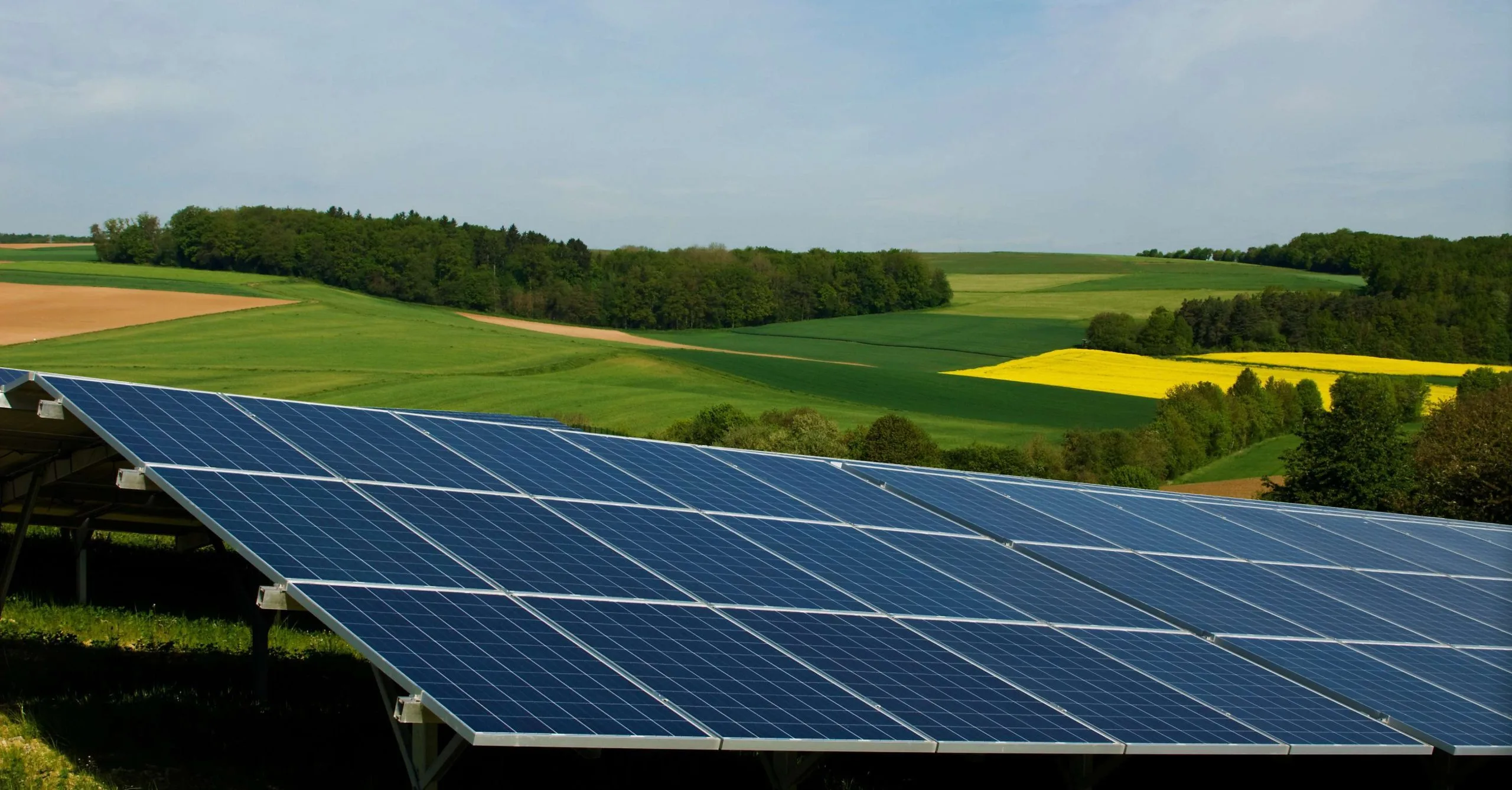
Photo credit: avaada.com
Kazakhstan’s installed renewable energy capacity currently stands at 3.7 gigawatts (GW), including 1.3 gigawatts (GW) of solar power. From January to September, renewable energy facilities generated 7.8 billion kilowatt-hours (kWh) of electricity, with solar power plants accounting for 1.9 billion kilowatt-hours (kWh), the Energy Ministry reported on Nov. 23.
The country initially planned to commission 10 renewable energy facilities with a combined capacity of 245 megawatts (MW) this year. Seven facilities are already operational, including three solar power plants with a total capacity of 62.6 megawatts (MW). These include a 20-megawatt (MW) plant developed by Stellar Energy in the Mangystau Region, a 22.6-megawatt (MW) facility by Altyn Solar Energy in the Kostanai Region, and a 20-megawatt (MW) plant by Jetisu Terra Power in the Zhetisu Region.
Two additional solar power plants developed by Alkhena in the Kyzylorda Region, with a combined capacity of 30 megawatts (MW), are scheduled to begin operations by the end of the year.
Meanwhile, Kazakhstan is building a pipeline of prospective solar energy projects with a combined capacity of approximately 900 megawatts (MW). Major initiatives include a 300-megawatt (MW) solar power plant by China Energy and projects by Tumar Commerce with a combined capacity of up to 1 gigawatt (GW).
By the end of 2035, Kazakhstan aims to commission at least 8.4 gigawatts (GW) of new renewable energy capacity, including approximately 1.8 gigawatts (GW) of solar generation.
The expansion comes as Kazakhstan moves into the next phase of its energy transition, with a growing focus on integrating renewable sources into the national power system. As solar and wind generation increase, developing transmission infrastructure, energy storage and grid flexibility will become increasingly important to ensure a stable electricity supply.
