
ALMATY – Kazakhstan has established seven international road corridors as part of efforts to strengthen regional connectivity and boost the country’s transit potential, Transport Minister Nurlan Sauranbayev said at a March 3 government meeting.
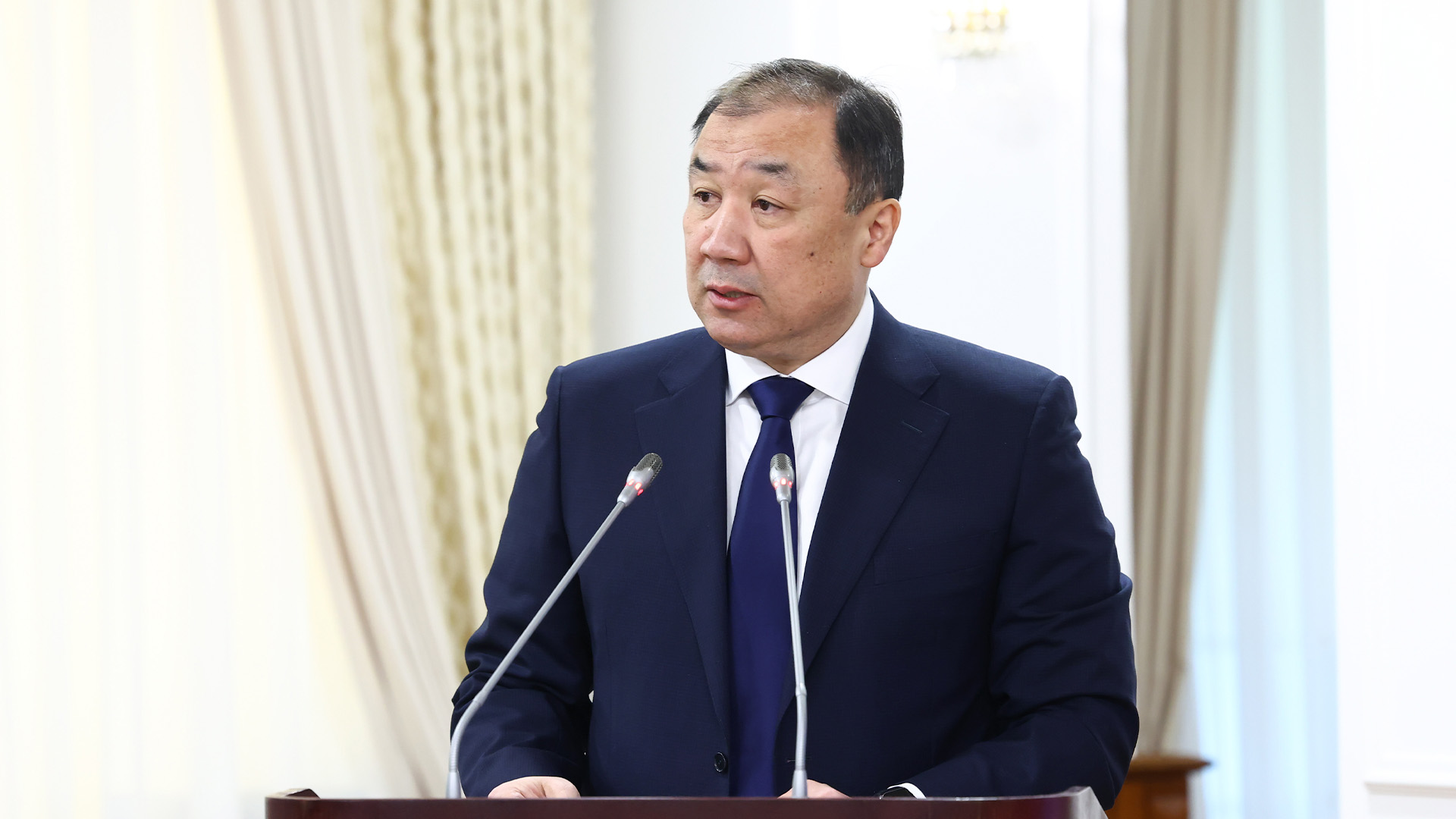
Nurlan Sauranbayev. Photo credit: Prime Minister’s press service.
According to him, four large road projects have been completed: Kalbatau–Maykapshagai, Taldykorgan–Ust-Kamenogorsk, Atyrau–Astrakhan, and Karagandy–Almaty. The total length of these highways reaches nearly 2,000 kilometers, reported the Prime Minister’s press service.
With traffic volumes increasing and some transport corridors operating near capacity, authorities plan further development and modernization of several sections.
New road projects underway
Construction work is ongoing on the Zhanaozen–Turkmenistan border section, which forms part of the Turkmenistan–Russia international transport corridor. A feasibility study is also being developed to expand the road to four lanes. Construction on this section is expected to be completed later this year.
Another major project is the Beineu–Saksaulsky road, which is part of the Trans-Caspian International Transport Route. Once implemented, the project is expected to shorten transport routes by nearly 1,000 kilometers and reduce delivery times by up to three days. A feasibility study has already been prepared, and financing procedures are underway. Construction is planned to begin this year.
The Kyzylorda–Aktobe highway is another strategic section, connecting the Western Europe–Western China corridor and linking routes between Russia and Central Asian countries. The project is divided into three sections. Construction on the Aktobe–Ulgaysyn and Saksaulsky–Kyzylorda segments will begin this year, while work on the Ulgaysyn–Saksaulsky section is expected to start in 2027. All three segments are planned to be completed simultaneously.
Investments and economic impact
According to Sauranbayev, Kazakhstan has sufficient raw material resources to support road construction projects across the country. In regions with limited natural materials, industrial mineral waste from major enterprises is being used to support construction.
Over the next three years, Kazakhstan plans to implement road infrastructure projects covering 3,250 kilometers, with total investments estimated at 4.6 trillion tenge (US$9.8 billion).
“These projects will increase transit potential and generate direct economic benefits,” Sauranbayev said, noting a strong multiplier effect. Up to 90% of materials and services used in road construction are sourced from domestic producers, supporting industrial development and economic growth.
A three-year development plan has been approved to implement these initiatives, which are expected to strengthen Kazakhstan’s transport infrastructure further and expand its role as a regional transit hub.
