
ASTANA – The Association of Museums of Almaty opened an exhibition dedicated to Kazakh traditions at the Yunus Emre Institute in Amsterdam on Oct. 31, featuring more than 70 unique artifacts from its collections, reported the museum’s press service.
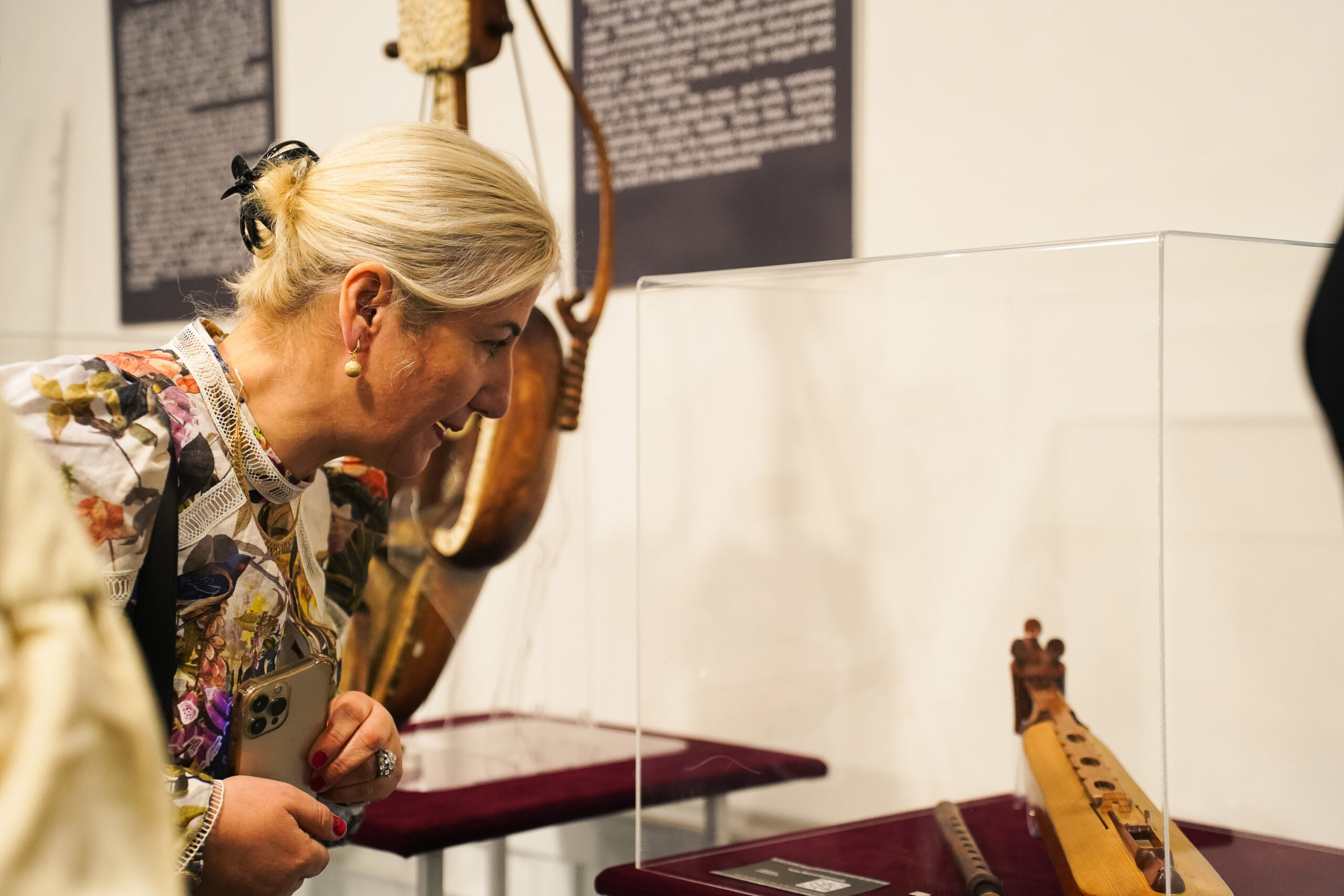
The Kazakh museum presented unique artifacts dedicated to Kazakh traditions at the Yunus Emre Institute in Amsterdam on Oct. 31. Photo credit: The Association of Museums of Almaty
The exhibition serves as a significant cultural event highlighting the rich heritage of the Kazakh people.
“The display reflects Kazakhstan’s rich culture and contributes to strengthening dialogue between Kazakh and Turkish cultures. We express our gratitude to the Association of Museums of Almaty and the Yunus Emre Institute for their efforts in promoting and preserving the cultural heritage of Turkic peoples,” said Ayan Turarbekov, counselor to the Ambassador of Kazakhstan to the Netherlands.
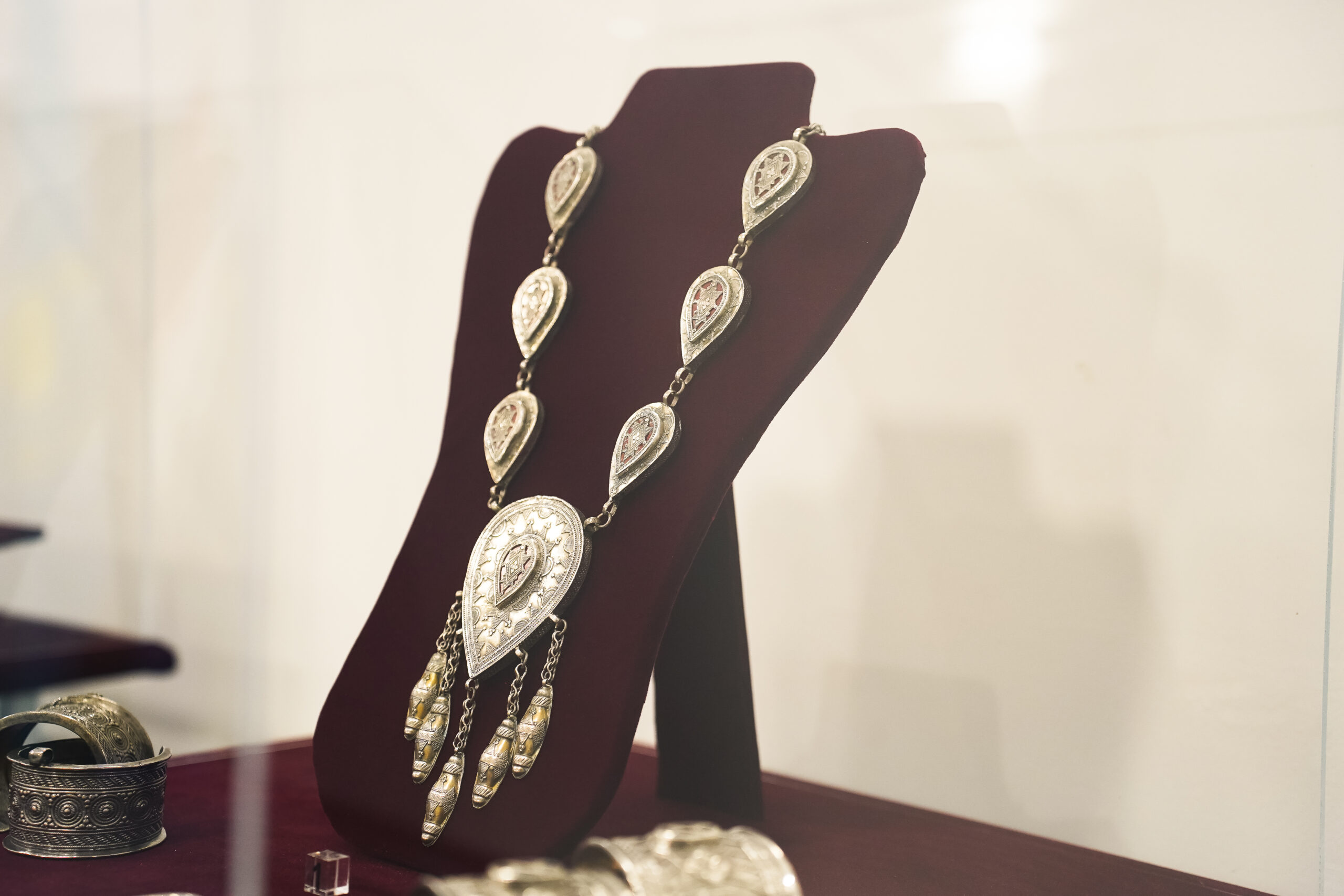
The exhibition features five sections with ethnographic artifacts, decorative art, and musical instruments of Kazakh and Turkic origin. Photo credit: The Association of Museums of Almaty
The exhibition includes five thematic sections featuring ethnographic artifacts illustrating the life and traditions of the Kazakh people, works of decorative and applied art, and musical instruments of Kazakh and Turkic origin.
Lyazzat Sagyndykova, director of the association, noted that the exhibition is the result of international cooperation and part of the museum’s ongoing efforts to promote Kazakh culture across Europe.
“The Association of Museums of Almaty develops cultural partnerships. Over the past three years, 11 international exhibitions have been organized in countries such as South Korea, Austria, France, Italy, the Czech Republic, Serbia, Hungary, and Türkiye. Today’s exhibition in Amsterdam continues this international effort,” said Sagyndykova.
The Yunus Emre Institute, an international organization dedicated to promoting Turkic culture and art worldwide, has played a key role in fostering intercultural dialogue and advancing the legacy of the great steppe in the Netherlands.
The exhibition will remain open to visitors until Nov. 14.
